
The Complete Guide to Upholstered Chairs: Styles, Fabrics, and Smart Buying Tips
Upholstered chairs pull a room together — adding comfort, defining style, and becoming the seat people gravitate toward. This guide covers popular styles, fabric choices that stand up to daily life, and practical buying tips so you choose a chair that fits your home and habits. We also explain care and when to reupholster instead of replace.
Which Upholstered Chair Styles Work Best in Your Space?
Chairs vary in shape and mood. Knowing how a style functions and looks in your layout makes it easier to pick a piece that’s both attractive and useful.
Which Modern Upholstered Chair Styles Are Popular Today?
Modern chairs favor clean silhouettes and simple details. Look for slim profiles, tapered legs, and color that suits your room. Mid-century modern pieces combine low profiles and warm wood; Scandinavian designs use light materials and restrained shapes. These options fit open, minimalist interiors and provide uncomplicated comfort.
Thinking about chairs in terms of form, function, and materials gives you a clearer framework for choosing the right piece for any room.
Chair Design: Aesthetics & Functional Considerations
Studying architecture through chair design reveals practical lessons about space, material choices, and how objects meet human needs. This work highlights how experimenting with chairs — from shaping to fabrication — teaches spatial awareness, material behavior, and the balance between beauty and use.
TAKE A SEAT | THOUGHT BY HANDLING, 2023
What Classic and Accent Chair Styles Should You Consider?
Classic pieces like wingbacks and tufted armchairs bring presence and often use richer fabrics. Accent chairs let you add color, pattern, or an unusual silhouette to create a focal point. Use classic chairs to anchor formal spaces and accents to inject personality.
Which Upholstery Fabrics Balance Durability and Style?
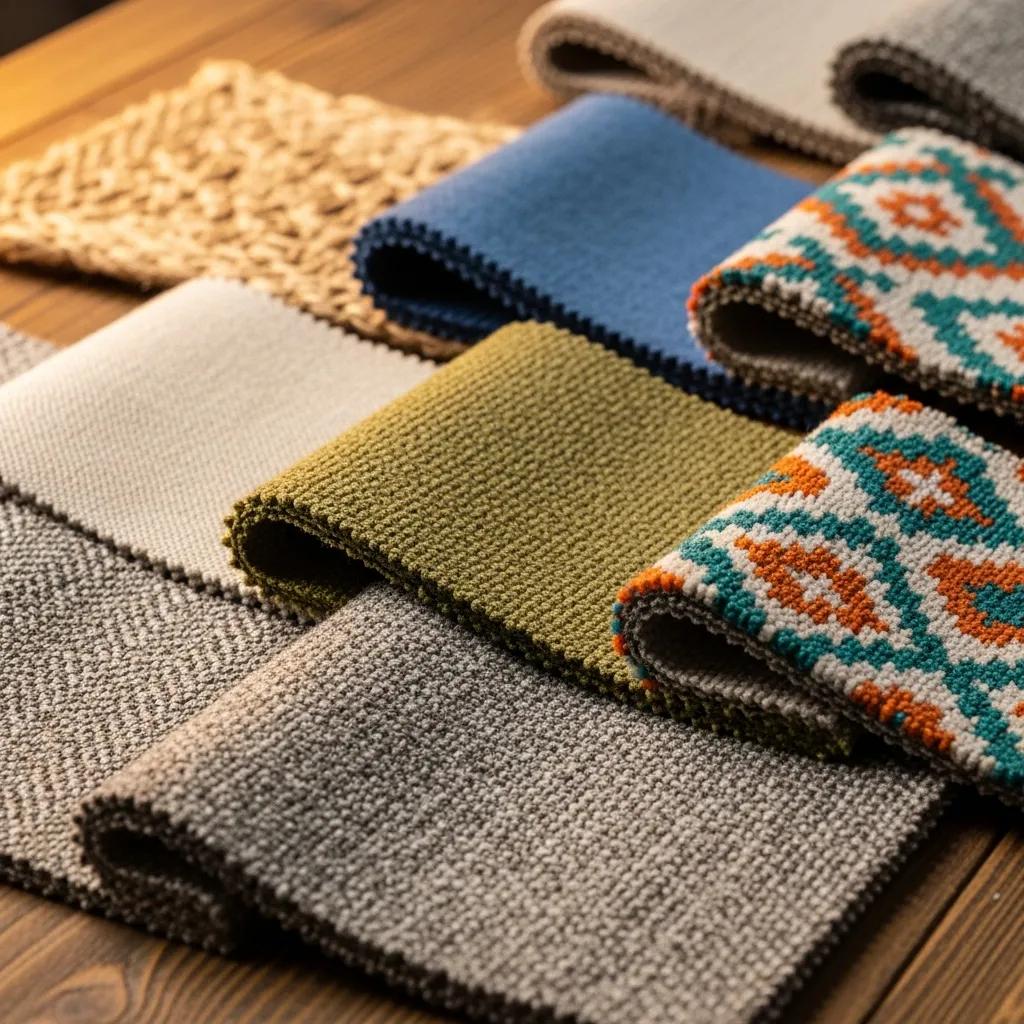
Fabric affects look, feel, and longevity. Choose materials that balance comfort, lifespan, and upkeep for how the chair will be used.
What Are the Pros and Cons of Natural Upholstery Fabrics?
Natural fabrics — cotton, linen, wool — feel breathable and age with character. They can show stains or wear more readily than engineered options. Cotton is soft and affordable but needs more cleaning; linen wrinkles and has texture; wool is durable and warm but costlier.
How Do Synthetic and Performance Fabrics Compare for Chairs?
Synthetic and performance weaves (polyester blends, nylon) are made for everyday use: they resist spills, fade less, and tolerate heavy traffic. Performance textiles can mimic natural looks while adding protection — a good choice for homes with kids or pets. Blends like polyester-linen keep the look of linen with better stain resistance.
The way a fabric is made — and how seams and stitches are executed — directly affects how long a piece of upholstered furniture will last.
Upholstery Fabric Quality & Durability Factors
The composition and construction of a covering material strongly influence the strength and longevity of upholstered furniture. Stitched seams are a common stress point where wear and damage first appear. Research focused on synthetic leather shows the backing textile and stitch patterns play a major role in mechanical performance, with variations in stitch length and direction affecting strength and stiffness.
THE EFFECT OF SELECTED FACTORS ON THE MECHANICAL PROPERTIES OF THE SEAMS FOR UPHOLSTERY COVERS MADE OF SYNTHETIC LEATHER, 2024
How Do You Choose the Right Upholstery Fabric for Your Chair?
Choose fabric by matching use and appearance: think traffic levels, pets, cleaning habits, and whether the chair is daily seating or occasional.
What Key Factors Should Influence Your Upholstery Fabric Choice?
Prioritize durability, comfort, and maintenance. Durable weaves suit heavy use; softer fabrics fit occasional seating. Consider cleanability — machine-washable or stain-treated options help in busy homes. Also decide if the chair is a statement piece or everyday seat.
How Can You Match Upholstery Fabric to Your Lifestyle Needs?
Match fabric to your routine: families often pick stain-resistant or performance weaves; pet owners favor tight weaves and claw-resistant materials; entertainers choose polished, spill-tolerant fabrics. Practical choices keep a chair looking good longer.
What Practical Buying Tips Help You Buy an Upholstered Chair You’ll Keep?
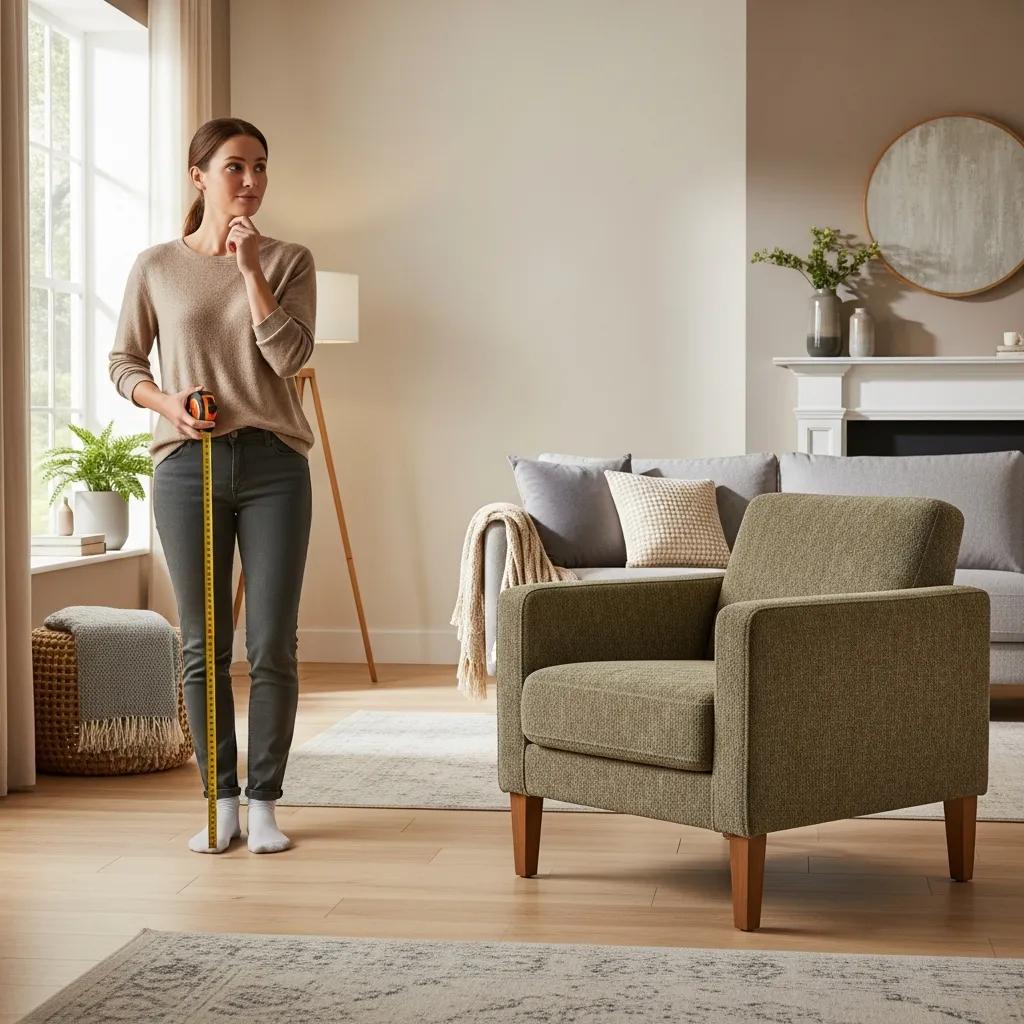
When shopping, check fit, comfort, and construction so you don’t sacrifice one for another.
How Do Comfort, Size, and Style Affect Your Upholstered Chair Purchase?
Sit to test support and cushion firmness. Measure the intended spot so the chair fits the room and allows at least 18 inches of walkway. Match scale to existing furniture and pick a style that complements your pieces; a well-proportioned chair can elevate the space without overwhelming it.
Research shows buyers prioritize looks, ease of use, and fabric quality when choosing upholstered furniture — and they usually expect it to last several years.
Upholstered Furniture Consumer Preferences & Buying Factors
This study surveyed consumer attitudes toward home upholstered furniture, exploring how knowledge and preferences affect purchase choices. Findings show many people keep furniture for six to ten years, value aesthetics, ease of use, and reasonable price, and pay close attention to fabric quality and cleanability when buying.
Consumer Attitudes And Preferences About Upholstered Furniture, TA Güzel, 2020
When Is Reupholstering a Better Option Than Buying New?
Reupholster when the frame is solid and you value the chair’s shape or history. It’s often cheaper than a high-end replacement and lets you update fabric to match new decor. Choose reupholstery when structure and comfort remain sound but the finish needs refreshing.
Upholstered chairs can anchor a room, add personality, or create a cozy reading corner. Know the style and fabric that suit your use and you’ll choose a chair that fits your life and aesthetic.
Frequently Asked Questions
What maintenance is required for upholstered chairs?
Vacuum regularly, blot spills immediately, and follow fabric-specific cleaning guidance. Natural fibers need gentler cleaners; many synthetics tolerate stronger treatments. A fabric protector and rotating removable cushions help extend life.
How can I determine the right size for an upholstered chair?
Measure the available space — width, depth, and clearance — and compare with chair dimensions. Leave at least 18 inches of walkway and check seat height against nearby furniture for comfortable proportions.
What are the environmental impacts of upholstery materials?
Impacts vary: natural fibers are biodegradable but can use more water and pesticides; synthetics are durable but usually petroleum-based. Look for sustainably produced, recycled-content, or certified organic options if environmental impact matters to you.
Can I customize the upholstery of a chair?
Yes. Many retailers and local upholsterers let you choose fabric, finish, cushion fill, and leg styles. Custom orders match a chair to your space — ask about lead times and extra costs first.
What should I consider when reupholstering a chair?
Inspect the frame, springs, and padding. Choose durable, tightly woven textiles for everyday seats; reserve delicate fabrics for occasional pieces. Ask an upholsterer about reinforcement or updated cushioning if needed.
How do I know if an upholstered chair is of good quality?
Look for a solid hardwood frame, reinforced joints, quality cushioning (high-density foam or down), even stitching, and durable upholstery. Test for wobble and comfort; warranties or clear construction details are helpful signals.
Conclusion
Choosing an upholstered chair blends practical needs with style. Match fabric and construction to daily use, measure and test before buying, and prioritize materials that suit your lifestyle. Whether you buy new or reupholster a favorite, thoughtful choices ensure a chair that looks right and lasts.

