Interior Design Trends 2025: Explore Modern Furniture and Sustainable Home Decor
Interior Design Trends 2025 are defined by a shift toward durability, comfort, and personal expression, driven by sustainability, tactile materials, and adaptable furniture systems. This article explains the mechanisms behind these shifts, shows how modern furniture styles are evolving, and gives practical guidance for selecting pieces that combine aesthetics with longevity. Readers will learn the leading trends for 2025—from curved silhouettes and earthy palettes to modular customization and vintage revival—and how to apply those trends in living rooms, dining areas, and workspaces. A brief, real-world illustration highlights PouffeLOVE, an Irish e-commerce brand whose handcrafted pouffes, benches, tables, and armchairs reflect the year’s priorities for quality, customizable design and eco-conscious practice. The following sections map top trends, the rise of sustainable furniture, the popularity of curves, texture and color strategies, personalization and modular options, and how vintage and Art Deco influences are being reinterpreted for contemporary homes.
What Are the Top Interior Design Trends for 2025?
Top interior design trends for 2025 centre on sustainable materials, soft biomorphic forms, earthy color palettes, personalization and modularity, and a renewed interest in vintage and Art Deco motifs. These trends emerge because consumers demand furniture that balances comfort, environmental responsibility, and long-term value, while designers respond with tactile textiles and forms that promote visual calm and adaptability. Below is a concise list of the most influential trends and why they matter to homeowners and designers in 2025.
The most influential trends for 2025 include:
- Sustainability and handcrafted quality: durable materials and artisanal production reduce waste and increase lifespan.
- Curved furniture and soft silhouettes: biomorphic forms improve comfort and create a fluid spatial experience.
- Earthy tones and rich textures: warm palettes and tactile fabrics such as velvet and boucle add depth and coziness.
- Personalization and modular systems: tailored dimensions, fabrics, and configurations help furniture fit diverse living patterns.
- Vintage and Art Deco revival: geometric details and metallic accents bring glamour when mixed with contemporary pieces.
These trends intersect: sustainability influences material choices, curves determine silhouette languages, and personalization amplifies longevity by tailoring pieces to real-life needs. Understanding each of these trends helps in selecting furniture—like pouffes, benches, coffee tables, and armchairs—that fits both aesthetic and practical goals.
Which styles define modern contemporary furniture in 2025?
Modern contemporary furniture in 2025 is characterised by organic forms, mixed-material construction, and restrained detailing that prioritises function and tactile appeal. Designers pair FSC-certified or responsibly sourced wood frames with soft upholstery, metal legs, and textured fabrics to create pieces that read modern but feel warm; examples include pouffes used as extra seating, low benches that double as coffee-table alternatives, and streamlined armchairs with soft padding. This vocabulary moves away from sharp minimalism of prior years toward hybrid forms that combine mid-century proportions with biomorphic silhouettes, creating spaces that encourage lingering and comfort. Local adaptation, especially in regions with diffused daylight like Ireland, favours warmer finishes and layered textiles to enrich interiors and counter cool light.
How do sustainability and handcrafted quality shape 2025 trends?
Sustainability and handcrafted quality intersect in 2025 by shifting purchase decisions from disposable trends to durable, repairable pieces that retain value. Artisanal production emphasizes material selection—such as solid timber frames, robust joinery, and high-quality upholstery—that reduces the need for replacement and supports circular design. Consumers increasingly evaluate furniture by lifecycle attributes like repairability, recyclability, and provenance, favouring makers who offer customization and durable construction. This emphasis on craftsmanship encourages longer design cycles and supports local supply chains, which in turn lower embodied carbon compared with mass-produced imports. Recognising these attributes helps buyers prioritise pieces that perform well over time and align with sustainable home decor principles.
How Is Sustainable Furniture Influencing Home Decor in 2025?
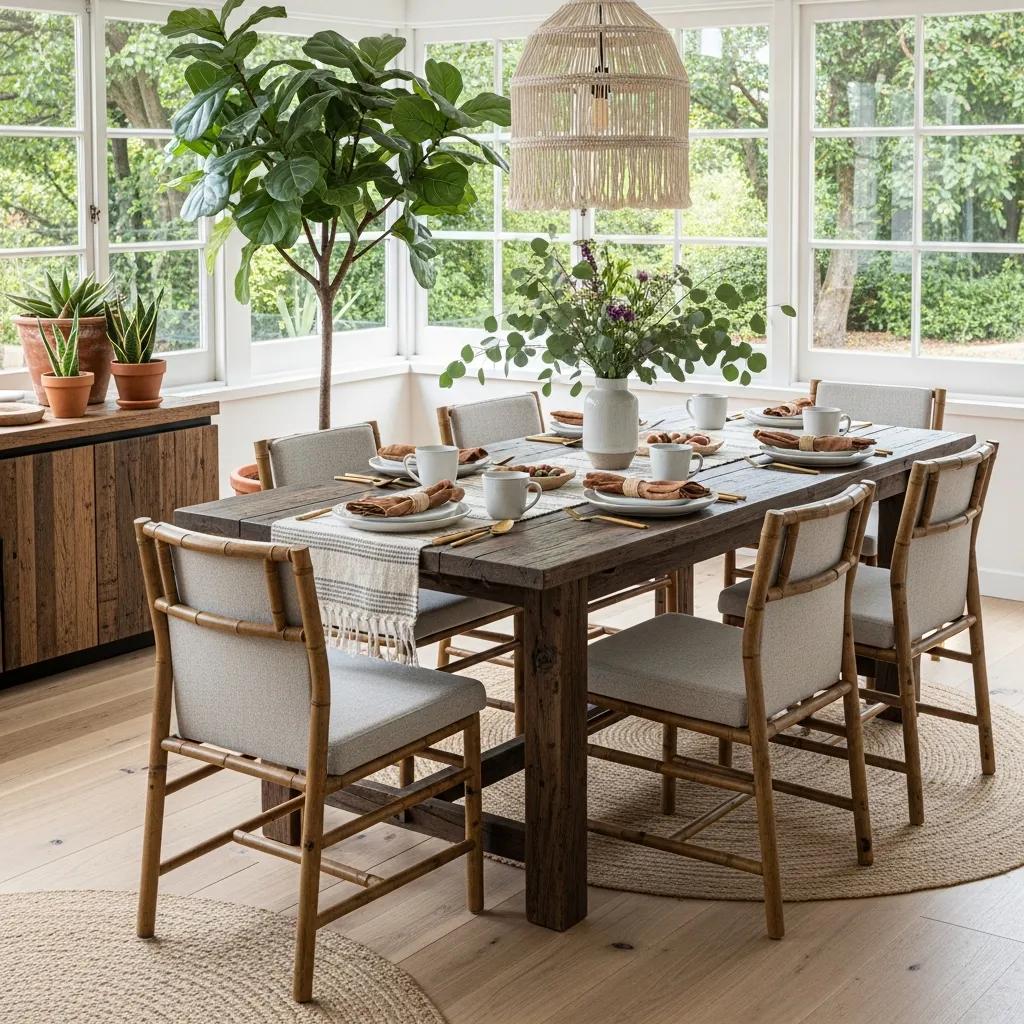
Sustainable furniture in 2025 means choosing materials, processes, and makers that reduce environmental impact while delivering durability and style. The mechanism is straightforward: materials with verified origins and low waste manufacturing reduce embodied carbon, and durable design reduces turnover, producing cumulative environmental benefits and healthier interiors. Sustainable furniture also often uses natural or low-toxicity finishes, contributing to indoor air quality and long-term liveability. Homeowners can adopt specific practices—prioritise certified wood, inspect upholstery composition, and choose repairable construction—to make rooms that look current and are kinder to the planet.
Practical tips to evaluate and implement sustainable furniture choices:
- Ask about material origins and certifications when possible, and choose pieces with durable joinery and solid frames.
- Prioritise natural textiles and dense weaves for longevity, and consider neutral base pieces that can be re-upholstered.
- Select versatile items that serve multiple functions to reduce the total number of pieces needed in a home.
These actions make sustainability a practical design choice rather than an abstract ideal, and they naturally lead into concrete comparisons of common materials used today.
Different materials offer distinct sustainability attributes and maintenance considerations. The table below compares common options to help buyers weigh trade-offs.
This comparison clarifies why material selection matters: durability and origin affect both environmental impact and everyday performance. Understanding these attributes helps buyers choose furniture that fits aesthetic goals and sustainability priorities.
What materials and practices define sustainable furniture?
Sustainable furniture is defined by responsible material sourcing, low-waste production, and design for longevity and repairability. Common sustainable materials include responsibly harvested woods, reclaimed timber, recycled metals, and bio-based or durable natural fabrics that reduce petrochemical dependence and waste. Practices that support sustainability include modular design to replace parts rather than entire pieces, finishes with low volatile organic compounds for healthier interiors, and craftsmanship that enables disassembly and repair. These strategies produce furniture that not only looks stylish in 2025 interiors but also yields long-term savings and lower environmental cost through extended service life.
How does PouffeLOVE embody eco-friendly craftsmanship?
PouffeLOVE exemplifies several sustainable priorities noted in 2025 trends by offering handcrafted furniture that emphasises durability, unique design, and local craftsmanship. The company specialises in pouffes, benches, dining and coffee tables, and armchairs produced with quality materials and construction that aim to last, reflecting a preference for handcrafted quality over mass production. PouffeLOVE’s approach supports customizable furniture options and versatile pieces that enhance interiors while aligning with eco-friendly practices and local craft traditions. For shoppers seeking examples of sustainable, handmade furniture, exploring handcrafted pouffes, benches, tables, and armchairs illustrates how artisanal design can marry style with responsible material choices.
Why Are Curved Furniture and Soft Silhouettes Popular in 2025?
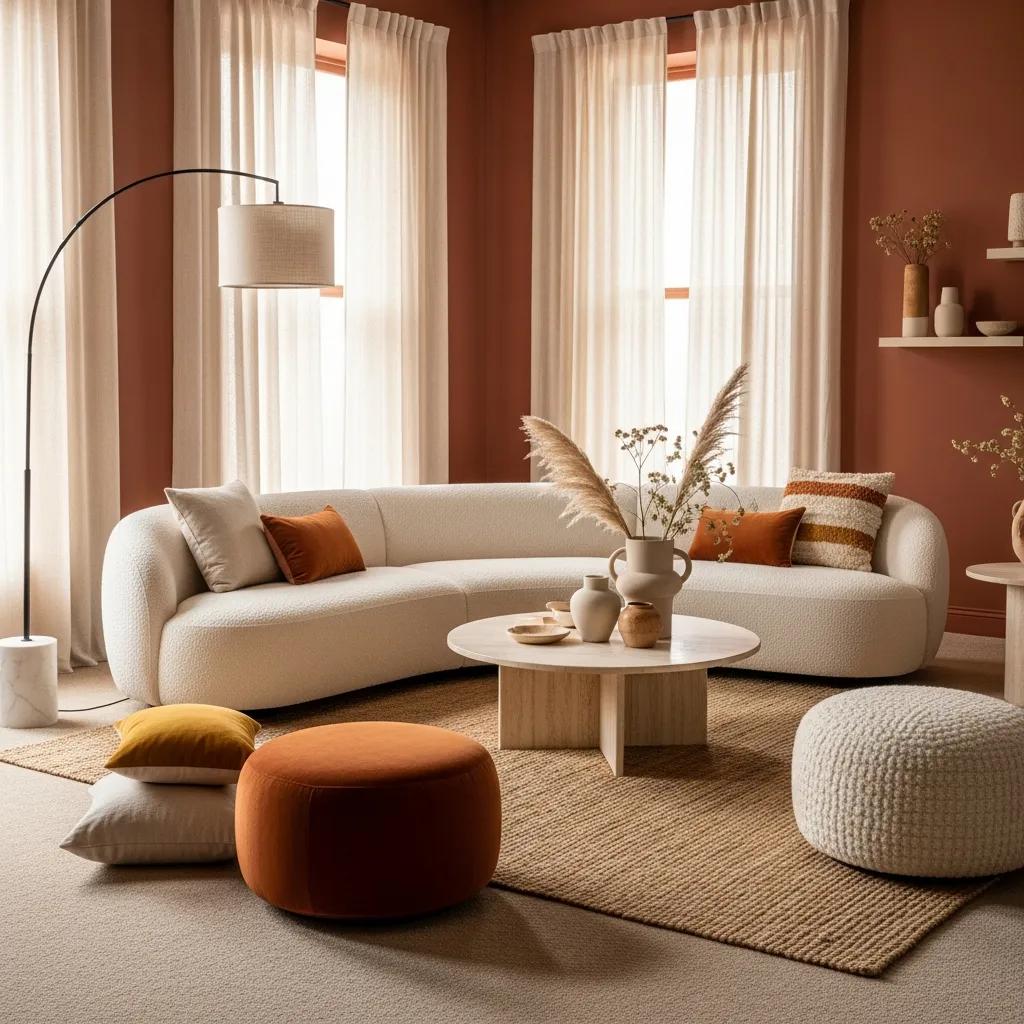
Curved furniture and soft silhouettes are popular in 2025 because biomorphic shapes improve comfort, create visual flow, and soften the emotional experience of a room. Rounded edges and sinuous profiles reduce perceived visual tension and encourage relaxed postures, which is especially relevant as home spaces double as work and leisure zones. Designers pair curved benches and armchairs with streamlined tables to balance ergonomics and aesthetics, while pouffes and soft ottomans offer flexible seating and accent shapes that punctuate a room without interrupting circulation. This shift toward curved forms connects to broader desires for tactile, human-centred interiors that prioritize physical ease and psychological calm.
The following table compares curved and angular furniture across comfort and spatial suitability to help readers decide which approach suits their room.
This comparison helps translate the trend into practical selection criteria: curves where comfort and movement matter, angulars where formality and alignment are priorities. Knowing these roles simplifies planning and furniture placement decisions.
What are the benefits of biomorphic and rounded furniture designs?
Biomorphic and rounded furniture designs benefit interiors by improving ergonomics, enhancing circulation, and creating a softer visual language that promotes relaxation. Ergonomically, rounded seats distribute pressure more evenly and reduce sharp contact points, making pouffes and rounded armchairs inviting for extended use. Visually, curves guide the eye and allow furniture to integrate smoothly into irregular floorplans, making small rooms feel more open and cohesive. These practical and psychological advantages explain why designers and homeowners favor soft silhouettes in 2025 projects focused on wellbeing and adaptable living.
Which PouffeLOVE products showcase curved furniture trends?
PouffeLOVE’s product categories naturally align with the curved-furniture trend through pouffes and benches that act as soft silhouettes within a room’s composition. Pouffes function as flexible seating, footrests, or decorative accents that break rigid lines, while curved benches and softly upholstered armchairs serve as focal points that invite touch. The company’s furniture categories—handcrafted pouffes, benches, dining and coffee tables, and armchairs—demonstrate how rounded, tactile pieces can anchor contemporary interiors while remaining versatile in placement. For homeowners prioritising the curved trend, exploring pouffes and benches offers immediate, low-commitment ways to introduce biomorphic softness into existing layouts.
Which Earthy Tones and Rich Textures Are Trending in 2025 Interiors?
Earthy tones and rich textures dominate 2025 interiors, creating environments that feel grounded, layered, and comfortable. The palette favours warm neutrals—terracotta, ochre, olive, oxblood and deep blues—that pair well with natural wood finishes and metallic accents to create depth. Textiles like velvet and boucle, together with woven natural fabrics, add tactile contrast that enriches minimal compositions and supports layered lighting strategies for dynamic rooms. Applying these palettes thoughtfully, especially in climates with muted daylight, reinforces warmth and makes furniture choices appear intentional and timeless.
Below are practical pairing tips that help translate trending palettes into cohesive rooms.
- Pair terracotta or ochre accents with light oak and natural fibres to create a warm, Mediterranean feel.
- Use deep blues and oxblood as statement upholstery colours against warm wood and brass details for a luxurious contrast.
- Layer boucle cushions and velvet throws to add tactile interest on neutral sofas and benches.
These pairing rules make it easier to apply 2025 color and texture trends in real interiors, guiding fabric and finish choices for furniture pieces such as benches and armchairs.
What color palettes dominate 2025 home decor styles?
The dominant color palettes for 2025 centre on warm, earthy families and saturated jewel tones used as accents. Mainstays include warm neutrals, terracotta, muted olive, ochre, and occasional deep blues or oxblood for richness. These palettes are selected to work with natural materials—oiled wood and matte metal—so that finishes harmonize rather than compete. For regions with cooler daylight, warmer tones and layered textures create cosy interiors that feel intentional rather than anemic.
How do velvet, boucle, and natural fabrics enhance interior textures?
Velvet, boucle, and natural fabrics enhance interior textures by introducing a range of tactile experiences that communicate luxury, warmth, and durability. Velvet offers a reflective depth suitable for statement armchairs or cushions, boucle supplies nubby, tactile interest ideal for pouffes and upholstered benches, and natural linens and wools lend breathability and longevity for everyday seating. Each fabric has maintenance and performance considerations—velvet can show wear if low quality, boucle benefits from dense backing, and linens need layering for softness—but combined they provide textural contrast that elevates simple silhouettes into layered, 2025-appropriate interiors.
How Is Personalization and Customizable Furniture Shaping 2025 Designs?
Personalization and customizable furniture shape 2025 designs by enabling pieces to fit individual spatial constraints, aesthetic preferences, and functional needs. The mechanism is modularity combined with choice: consumers select sizes, fabrics, and finishes to produce furniture that integrates seamlessly with their lifestyle. This approach reduces waste by ensuring that pieces are used and cherished longer, and it supports multi-use spaces through configurable arrangements. For designers and homeowners, customization offers a way to align sustainability with personal expression, creating unique interiors that perform well.
Three practical ways to customise furniture in 2025 are listed below to guide actionable decisions.
- Modular configurations: Choose sectional or modular bases that allow expansion or reduction as needs change.
- Fabric and finish selection: Prioritise upholstery choices and finishes that suit household use and climate.
- Dimension tailoring: Opt for bespoke sizing to fit awkward spaces and improve circulation.
These methods show how personalization reduces compromise and encourages long-term ownership, which naturally leads to how manufacturers and sellers support custom options for buyers.
Different products allow different levels of customization; the table below outlines common options for buyers considering tailored furniture.
What modular and customizable options are available for modern homes?
Modern homes benefit from modular systems such as sectional seating, detachable ottomans, and configurable storage components that adapt to changing needs. Modular furniture supports both small and large spaces by allowing owners to add or subtract modules, reposition elements for different events, and replace worn sections rather than entire pieces. These systems work well in urban apartments where flexibility is essential and in larger homes where zoning and multipurpose rooms require adaptable furniture. Selecting modular pieces reduces future disposal and aligns with sustainable practice by encouraging longevity.
How can customers tailor PouffeLOVE furniture to their style?
PouffeLOVE offers customizable furniture options within its core product categories—handcrafted pouffes, benches, dining and coffee tables, and armchairs—allowing customers to match pieces to personal tastes and room requirements. The brand emphasises handcrafted quality and durability, which pairs naturally with bespoke fabric choices and adaptable sizing to suit diverse interiors. Customers seeking tailored solutions can consider pouffes and benches as flexible accent pieces that anchor palettes and textures, while tables and armchairs provide opportunities to select finishes and upholstery that align with a home’s overall design scheme. Exploring these categories shows practical pathways to personalise furniture while supporting local craftsmanship and eco-conscious practices.
What Role Does Vintage and Art Deco Revival Play in 2025 Interior Design?
Vintage and Art Deco revival in 2025 introduces geometric patterning, glazed woods, and metallic accents that add glamour and historical reference when balanced with contemporary forms. The revival works because nostalgia meets modern sustainability: rather than fully restoring period interiors, designers extract signature motifs—arched frames, bold inlays, and rich upholstery—and reinterpret them with durable, eco-aware materials. This hybrid approach creates interiors that feel curated and layered, allowing one or two vintage statements to elevate otherwise simple, handcrafted furniture without overwhelming a scheme.
Below are practical mixing rules to combine retro pieces with contemporary furniture in a coherent way.
- Use one vintage statement item (a lamp, side table, or framed mirror) paired with modern seating to maintain balance.
- Echo vintage hues in textiles or cushions rather than repainting entire rooms, keeping the palette cohesive.
- Match scale and proportion: large modern sofas pair best with low-slung vintage coffee tables for visual harmony.
These rules help integrate the Art Deco revival with the year’s emphasis on handcrafted, sustainable furniture and adaptable layouts.
How are retro styles integrated with contemporary furniture trends?
Retro styles are integrated by selectively borrowing decorative motifs—geometric patterns, metallic trims, and rich upholstery—and combining them with modern, handcrafted silhouettes. Designers maintain coherence by limiting vintage elements to accents or focal points while keeping primary furniture contemporary and functional. This method permits the warmth and drama of vintage detail without sacrificing the comfort, durability, and sustainability expected in 2025 interiors. The resulting spaces feel intentional, layered, and respectful of both historical character and present-day needs.
Which handcrafted pieces reflect the Art Deco revival aesthetic?
Handcrafted pieces that reflect the Art Deco revival aesthetic often include benches and armchairs with rich upholstery and subtle geometric detailing, dining and coffee tables with inlaid surfaces or metallic accents, and pouffes used as glamorous, tactile accents. These handcrafted categories translate Art Deco characteristics—luxurious textiles, linear motifs, and metallic highlights—into pieces that function in modern homes. Encouraging viewers to consider handcrafted benches, armchairs, and tables as vehicles for vintage revival makes it possible to add glam without compromising on material quality or contemporary functionality.

