Restoring My Furniture With Soul: The PouffeLOVE Journey to Unique Handcrafted Furniture
Restoring furniture with soul means choosing pieces that carry history, character, and a renewed purpose through artistic craft rather than mere repair. This article explains what “Furniture With Soul” is, why it matters for sustainable interiors, and how artistic techniques like decoupage and canvas tabletops transform vintage forms into one-of-a-kind handcrafted furniture. Readers will learn the mechanics and materials behind decoupage and canvas finishes, the step-by-step PouffeLOVE transformation process, and how curated, upcycled pieces can fit homes and businesses across Ireland. Along the way, we’ll compare canvas surfaces to traditional finishes, present EAV-style tables for quick reference, and offer practical lists to help you evaluate and buy restored furniture with real character. By the end, you’ll understand the aesthetic, environmental, and practical reasons to choose restored furniture with soul and how PouffeLOVE brings artistry and curation together in Dublin’s handcrafted furniture scene.
What Is “Furniture With Soul” and Why Does It Matter?
Furniture with soul is furniture that expresses provenance, artistic renewal, and intentional design; it works because craftsmanship reactivates a piece’s narrative while improving longevity and functionality. The concept matters because it reframes furniture as cultural and sustainable assets rather than disposable objects, offering emotional resonance and distinctiveness in interiors. Embracing this approach supports local craftsmanship and reduces waste through upcycling, which aligns with growing consumer demand for Irish-made, sustainable furniture. Understanding these foundations helps us compare artistic restoration to traditional repair approaches and see why collectors and designers increasingly prefer curated, art-forward pieces.
How Does PouffeLOVE Define Furniture With Soul?
PouffeLOVE defines furniture with soul as curated vintage pieces given new life through artistic finishes that preserve their provenance while adding contemporary vision. The brand’s approach centers on selecting pieces with visual interest and structural potential, then applying art-led techniques—such as decoupage or canvas tabletops—to reveal layered narratives in each object. This method emphasizes uniqueness and story over mass replication, creating functional art that fits modern homes and commercial spaces. Seeing furniture as an art object highlights its role in interior storytelling and encourages owners to value longevity and character.
What Makes PouffeLOVE’s Restored Furniture Different from Traditional Restoration?
PouffeLOVE’s restorations prioritize artistic upcycling and curated productization instead of service-only repairs, which shifts outcomes from restored-to-original toward transformed-and-unique. Traditional restoration often focuses on structural repair, historical conservation, or reupholstery to return an item to its former condition; PouffeLOVE instead foregrounds creative finishes like decoupage and professionally printed canvas that celebrate the piece’s new identity. This curated approach results in one-of-a-kind items offered as products rather than as anonymous service outcomes, making them collectible and design-forward. The next section explores the sustainability benefits that accompany this creative reuse model.
Why Is Sustainability Important in Furniture Restoration?
Sustainability matters in restoration because upcycling extends the useful life of materials, cuts consumption of new timber and textiles, and diverts objects from landfill, thereby reducing environmental impact. Choosing restored, handcrafted furniture supports a circular economy where artistry and repair reduce the need for newly manufactured pieces and the associated carbon footprint. For homeowners and businesses in Ireland, locally made and curated pieces also strengthen regional craft ecosystems and preserve cultural value embedded in vintage objects. Recognizing these environmental and social benefits clarifies why many consumers now prefer artisan restorations to off-the-shelf production.
Urban Upcycling: Drivers and Barriers in the Dutch Furniture Industry
Motives, Drivers, and Barriers to Urban Upcycling: Insights from Furniture Upcycling in the Netherlands
Motives, drivers and barriers to urban upcycling:
Insights from furniture upcycling in the Netherlands, M van Hees, 2024
How Does the Art of Decoupage Transform Furniture at PouffeLOVE?
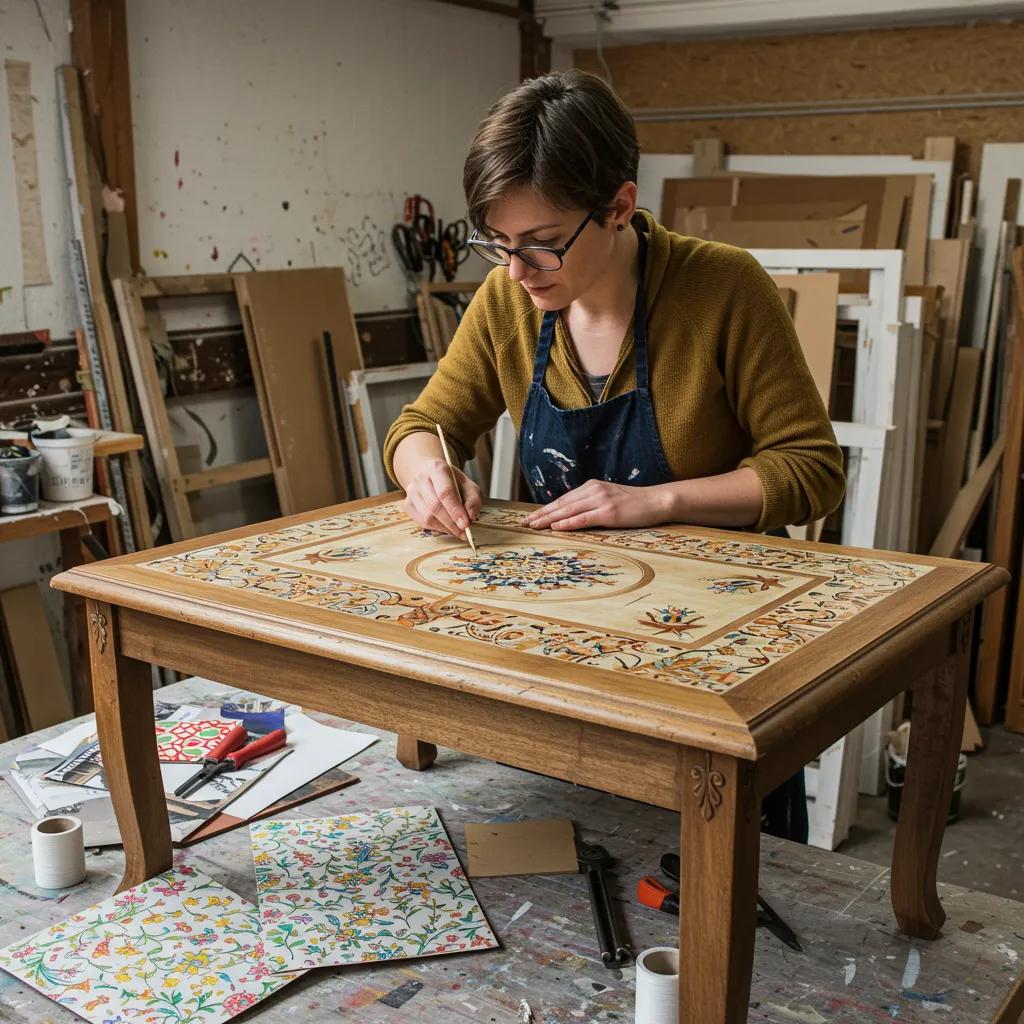
Decoupage transforms furniture by applying decorative papers or printed materials to prepared surfaces, then sealing them to create durable, richly patterned finishes that function as both art and surface protection. The technique works because a prepared substrate, precise application of adhesives, and layered sealing create a resilient composite surface that reads like hand-painted decoration but with repeatable patterns and strong wear resistance. Decoupage offers endless design possibilities—from floral collages to typographic montages—and pairs well with varnish or protective finishes for longevity. Below we define the technique, list its localized benefits for Irish interiors, and identify the product types in PouffeLOVE’s collection that showcase decoupage best.
What Is Decoupage and How Is It Applied to Furniture?
Decoupage is the art of cutting and adhering decorative papers, printed designs, or collage elements to furniture surfaces and sealing them under layers of varnish to create a unified, durable skin. Application begins with surface preparation—cleaning, sanding, and priming—to ensure adhesion, followed by careful placement and smoothing of papers using archival adhesives to avoid bubbles and misalignment. Multiple protective coats of varnish or polyurethane are applied and sanded between layers to build a wear-resistant finish that resists moisture and abrasion. When done professionally, decoupage yields a surface that looks like integrated artwork while remaining practical for everyday use.
What Are the Benefits of Decoupage Furniture in Ireland?
Decoupage furniture offers unique design variety, making it easy to match Irish interiors that range from traditional cottages to modern urban apartments by customizing pattern, color, and theme. The technique also supports sustainability by upcycling vintage substrates and preserving wood cores while adding new visual life rather than replacing materials. Properly sealed decoupage resists wear from typical domestic use and, with straightforward maintenance, retains vibrancy for years, making it suitable for both homes and boutique commercial settings. These attributes explain why many Irish homeowners and businesses value decoupage for combining aesthetics, repairability, and eco-conscious design.
Which Furniture Pieces Feature Decoupage in the PouffeLOVE Collection?
PouffeLOVE typically applies decoupage to smaller and medium-scale items where pattern and narrative shine—examples include coffee tables, benches, console tables, and accent cabinets that benefit from close viewing. These pieces are curated for their structural integrity and visual potential, then transformed into statement items that anchor seating areas, entries, or boutique retail displays. Each product is offered as a one-of-a-kind object, with design notes and imagery highlighting the inspiration behind the chosen papers or motifs. If you enjoy layered textures and storytelling surfaces, pouffes and small tables in the collection are particularly compelling.
Why Choose Canvas Tabletops for Durable and Artistic Furniture?
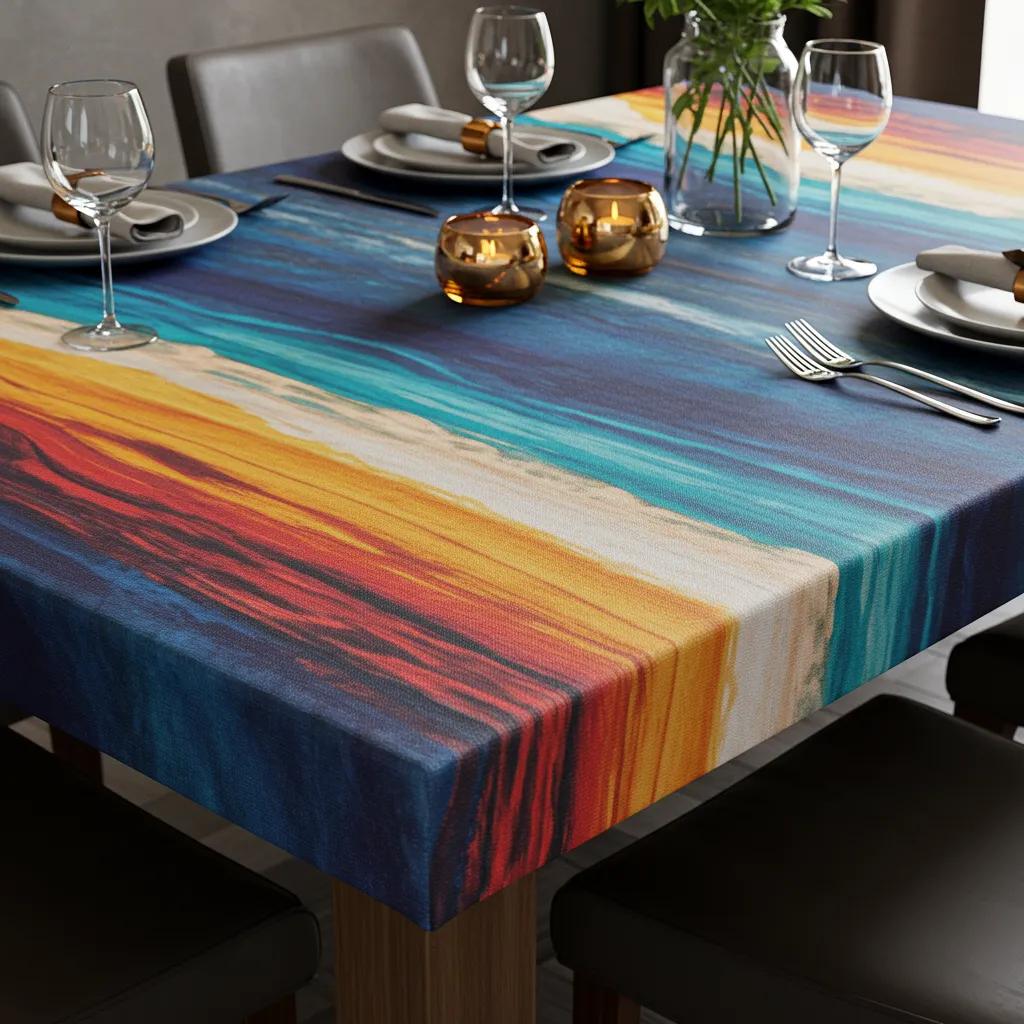
Canvas tabletops are created by binding printed, high-quality canvas to a wooden core and sealing it with protective finishes, yielding surfaces that combine photographic or painterly art with robust durability. This method works because professional-grade canvas, UV-resistant inks, strong adhesives, and clear sealants form an integrated surface that resists fading and handles everyday wear more flexibly than delicate veneers. Canvas tabletops enable precise customization—from scaled art reproductions to bespoke designs—while remaining repairable and replaceable without rebuilding the underlying structure. The following materials table clarifies how canvas tabletops compare across material, durability, maintenance, and design flexibility to common traditional finishes, helping buyers weigh options.
Introductory comparison of canvas tabletops versus traditional finishes:
This table demonstrates that canvas tabletops prioritize replaceable artistry and customization while traditional finishes emphasize wood authenticity and familiar maintenance patterns. Understanding these trade-offs helps select the right approach for function and style.
What Materials and Techniques Are Used in Canvas Tabletop Restoration?
Canvas tabletops typically use a sturdy wooden core, professional-grade artist canvas, UV-stable pigment inks for printing, strong adhesives, and multi-layer protective sealants to ensure durability and visual fidelity. The workflow involves digital artwork preparation and high-resolution printing, careful adhesion and pressure-bonding of canvas to the tabletop surface, trimming and edge finishing, then sealing with a clear, abrasion-resistant coat that can be recoated as needed. These materials and steps prioritize both aesthetics and longevity, delivering surfaces that retain color and resist household wear. The next subsection contrasts these surfaces directly with traditional approaches to emphasize practical differences.
How Do Canvas Tabletops Compare to Traditional Furniture Finishes?
Canvas tabletops offer superior customizability and easier surface replacement compared to varnish or veneer, enabling owners to update imagery without replacing the entire table structure. Traditional varnished wood provides natural texture and warmth, but refinishing or design changes are more labor-intensive and may remove historical patina. In terms of maintenance, canvas surfaces sealed with quality finishes can be wiped clean and periodically recoated, while veneers require careful moisture control and varnished wood benefits from occasional re-oiling or polishing. Choosing between them comes down to whether you prioritize artistic flexibility or natural wood authenticity; the following list helps weigh those priorities.
- Artistic Flexibility: Canvas allows bespoke prints and photographic art on tabletops.
- Authenticity: Varnished wood preserves natural grain and original material character.
- Maintenance: Canvas can be resealed; veneers and wood require specialized care.
If you want to change a room’s mood without buying new furniture, canvas tabletops make updates straightforward and design-driven.
Young Adults’ Valuation of Pre-owned Furniture for Sustainable Home Furnishings
Young adults source furniture from retail establishments, second-hand stores, flea markets, and online platforms, in addition to receiving items as inheritances from family. While academic research has primarily examined consumers who acquire second-hand items and value inherited furniture, there has been limited scholarly attention directed towards the significance of pre-owned and inherited objects as components of sustainable home interior design. Drawing upon qualitative data, this study analyzes how young adults residing in three Northern European cities perceive the value of used interior decoration items and how this perception contributes to sustainable consumption practices. Our findings indicate that young individuals appreciate architectural designs and interior aesthetics, as well as inherited and recycled items in their domestic arrangements. The prevailing architectural and home decor styles of a given period influence consumer acquisition patterns for used interior design materials and objects. Furthermore, young adults engage with inherited and purchased second-hand furniture by integrating narratives of social connections into their acquisition process. The material durability is a valued attribute in both inherited and second-hand furniture. Consequently, young adults extend the functional lifespan of home decor items, thereby contributing to a sustainable, slow-paced circular economy associated with homemaking.
Sustainable living: Young adults prolonging the material life cycle of objects through the appreciation of used furniture, interiors, and building design, M Autio, 2024
What Custom Design Options Are Available for Canvas Furniture?
Canvas furniture supports bespoke artwork, scaled patterns, photographic reproductions, and collaborative designs developed with customers, allowing a high degree of personalization. Options include choosing color palettes, motifs, or working from commissioned art, and scaling designs for surfaces ranging from small coffee tables to larger dining tabletops. Customers can request finish levels from satin to high-gloss protective coats and discuss edge treatments or inset framing to integrate the tabletop visually with surrounding furniture. For businesses, canvas tabletops can be used to reflect branding, seasonal themes, or curated art programs while maintaining durable daily use.
What Is the PouffeLOVE Furniture Transformation Process?
PouffeLOVE’s transformation process begins with curation—selecting vintage pieces with structural promise and visual character—and continues through assessment, artistic intervention, and sealing to deliver finished, saleable objects. The process works because careful selection reduces later structural surprises, while staged interventions (clean → repair → decorate → seal) ensure both longevity and aesthetic integrity. Emphasizing craft and curation means each finished piece is documented with before-and-after imagery and design notes, reinforcing value for buyers. Below is an EAV-style table that outlines typical entities, interventions, and outcomes to help readers quickly understand the staged workflow.
This concise mapping shows how each entity’s initial condition guides specific interventions that result in durable, artful outcomes. The next subsections explain selection, stepwise restoration, and the role of before-and-after storytelling.
How Does PouffeLOVE Select Vintage Furniture for Restoration?
Selection prioritizes pieces with structural integrity or repairable core components, visual interest that promises a compelling final design, and provenance or silhouette that benefits from artistic reinterpretation. PouffeLOVE curates its own inventory rather than accepting external submissions, choosing objects that balance practicality with the potential for narrative-driven finishes. This curatorial stance ensures a coherent collection of restored furniture with soul, where each piece is eligible for decoupage or canvas-based transformation. The selection criteria help ensure time and materials are invested where artistic restoration will create meaningful added value.
What Are the Key Steps in the Artistic Restoration Process?
The artistic restoration process proceeds in ordered stages: assessment, surface preparation, structural repair, art application (decoupage or canvas), and sealing with protective finishes, followed by quality checks. During assessment, the team documents condition and selects suitable art or design treatments, while surface prep removes old finishes, fills imperfections, and primes substrates for adhesion. Art application is executed with craft precision—papers or printed canvas are aligned and adhered, edges finished neatly, and multiple sealant layers applied to secure longevity. Final quality checks include wear testing and visual documentation to ensure the piece meets handcrafted furniture standards.
Introductory list of core steps:
- Assessment: Determine structural viability and design direction.
- Preparation: Clean, sand, and prime surfaces to accept art.
- Repair: Reinforce joints, fill, and stabilize core materials.
- Art Application: Decoupage or apply canvas art to surface.
- Sealing & QA: Multiple protective coats and final inspection.
These steps outline the workflow that turns a curated vintage piece into a finished object ready for homes and businesses.
How Do Before-and-After Transformations Showcase the Journey?
Before-and-after imagery is critical because it visually communicates the degree of transformation—from worn and utilitarian to artful and functional—helping buyers appreciate craftsmanship and justify value. Effective captions explain the interventions undertaken, the materials chosen, and the functional benefits added by restoration, creating a narrative bridge between provenance and present use. Galleries that pair detail shots with contextual lifestyle images help prospective buyers imagine pieces in real interiors, strengthening purchase confidence. Including these visual narratives in product listings also supports transparency about the curatorial and artistic choices made during restoration.
Why Should You Choose PouffeLOVE’s Restored Furniture for Your Home or Business?
Choosing PouffeLOVE’s restored furniture offers buyers a combination of one-of-a-kind artistry, sustainable upcycling, and Irish craftsmanship that differentiates these products from generic mass-produced options. The value proposition is rooted in curatorial selection, art-forward finishes such as decoupage and canvas tabletops, and small-batch handcrafted production that creates collectible, functional art. For businesses seeking distinctive furnishings—boutique hotels, cafés, or creative offices—these pieces provide storytelling anchors that communicate brand values and sustainability commitments. The EAV table below summarizes PouffeLOVE’s core value elements alongside customer-facing benefits to make comparison straightforward.
This mapping highlights how PouffeLOVE’s artistic focus translates into tangible benefits for buyers. The following subsections compare these differentiators, explain personalization pathways, and outline available social proof considerations.
What Unique Value Does PouffeLOVE Offer Compared to Competitors?
PouffeLOVE differentiates by positioning restored pieces as artistic products rather than pure repair services, combining decoupage and canvas specialization with curated vintage selection to create unique inventory. Competitors often operate service-first models that restore external client pieces back to a prior state; PouffeLOVE instead reimagines objects through creative finishes and offers them as finished items for purchase. This productized, art-led approach appeals to design-conscious buyers who value narrative, sustainability, and the tactile presence of Irish handcrafted furniture. The next section describes how modest personalization is supported within this curated framework.
How Does Personalized Furniture Restoration Work at PouffeLOVE?
Personalization at PouffeLOVE focuses on design variants and bespoke finishes applied to curated pieces rather than accepting external items; customers can choose from design options, finishes, and limited customizations coordinated with the studio. The workflow typically involves selecting a listed piece, discussing design preferences and finish levels, approving mockups or sample swatches, and confirming production timelines before final sealing and delivery preparation. Because PouffeLOVE curates and transforms its own vintage stock, personalization occurs within the constraints of each piece’s structure and provenance, ensuring authenticity while accommodating aesthetic preferences.
What Do Customers Say About Their Furniture With Soul?
Social proof for restored furniture should emphasize concrete outcomes—how a piece fits a room, its durability over time, and the emotional response it elicits—using documented case images and factual purchase details rather than invented quotes. PouffeLOVE’s approach encourages photographic examples of finished pieces in real homes and business interiors to show scale, finish, and patina, which prospective buyers use to assess fit. Publishing before-and-after galleries alongside product specs helps buyers evaluate quality and design intent, building trust through transparent visual evidence of craftsmanship. These curated narratives reinforce the practical and aesthetic reasons to choose restored pieces.
Where Can You Explore and Purchase PouffeLOVE’s Restored Furniture Collection?
PouffeLOVE presents its Restored Furniture with Soul collection as curated, saleable products featuring decoupage pouffes, canvas tabletops, benches, and small tables—each with descriptive listings and galleries to evaluate fit. Buyers should look for item dimensions, materials lists, finish descriptions, and multiple images including detail and context shots when assessing a piece for home or business use. Because PouffeLOVE curates and transforms its own inventory, shoppers select from available restored pieces and request limited design variations rather than submitting external furniture for restoration. The next subsections break down category types, gallery features, and sustainable practices to guide exploration and purchase.
Which Product Categories Are Available in the Furniture With Soul Collection?
The collection focuses on several product categories that lend themselves to artistic finishes: decoupage coffee tables, canvas dining and console tables, pouffes and upholstered stools, benches, and occasional cabinets. Each category is chosen for its ability to present artful surfaces or complementary upholstery, allowing both small and larger interiors to benefit from statement pieces. Listings typically include material descriptions, care guidance, and visual references to previous restorations so buyers can match pieces to their spatial and functional needs. These categories provide a balanced offering for homeowners and businesses seeking unique, handcrafted furniture.
How Can You View Detailed Product Information and Visual Galleries?
When evaluating restored furniture, look for rich product pages with multiple images, close-up detail shots, before-and-after galleries, and clear material/maintenance notes that explain canvas inks, varnishes, and upholstery fabrics. High-quality listings will also include dimensional drawings or measurements and suggestions for styling in different room types to help buyers envision placement and scale. Galleries accompanied by short captions describing the interventions and finishes provide transparency about the restoration process and expected durability. This visual documentation supports confident purchases and sets expectations for care and longevity.
Introductory list of recommended gallery elements:
- Multiple perspective images: Show overall piece and close detail.
- Before-and-after pairs: Demonstrate transformation and interventions.
- Materials and care notes: Explain canvas, adhesives, and sealants.
These elements help buyers assess both aesthetics and practical suitability before purchase.
How Does PouffeLOVE Support Sustainable and Artistic Furniture Choices?
PouffeLOVE supports sustainability by upcycling vintage cores, minimizing new material use, and applying art-led finishes that extend functional life while celebrating material heritage. Artistic choices are informed by curatorial selection and careful material sourcing—professional-grade canvases, archival papers, and durable sealants—so restored pieces remain usable and visually compelling for years. By offering productized restored items, PouffeLOVE makes sustainable, artisanal furniture accessible to homeowners and businesses looking to reduce environmental impact while gaining unique design statements. This combination of craft and conservation frames restored furniture as a meaningful alternative to mass-produced furnishings.
What Are the Most Frequently Asked Questions About Restoring Furniture With Soul?
This FAQ section provides concise, practical answers about uniqueness, customization, materials, timing, and service area to help potential buyers decide if restored, artful furniture fits their needs. Each answer is direct and designed to address common purchase and process concerns for homeowners and businesses in Ireland, especially those considering decoupage or canvas tabletop options. The following Q&A subsections clarify scope and expectations that typically arise during consideration and purchase.
What Makes PouffeLOVE’s Restored Furniture Unique?
PouffeLOVE’s restored furniture is unique because it is offered as curated, one-of-a-kind objects finished with artistic techniques—primarily decoupage and canvas tabletops—that transform vintage structures into collectible, functional art. The emphasis on narrative-driven design and small-batch craftsmanship distinguishes these pieces from standard restoration services and mass-produced furniture. Buyers obtain items that combine provenance, artistic finish, and practical sealing for everyday use, creating interiors with character and sustainability at their core.
Does PouffeLOVE Offer Custom Furniture Restoration Services?
PouffeLOVE offers personalization options for its curated inventory—such as design variants or finish levels—but does not accept external furniture for restoration; the studio curates and transforms only its selected vintage pieces. This model allows the team to maintain quality control and artistic coherence across the collection, ensuring each finished piece meets handcrafted standards. Prospective customers can discuss available customizations on listed pieces with the studio to understand lead times and design choices within the curated framework.
What Materials Are Used in POUFFELOVE’S Canvas and Decoupage Furniture?
Core materials include solid wooden cores or repaired vintage substrates, high-quality artist canvas with UV-stable inks for printed tabletops, archival decoupage papers, strong adhesives, and multi-layer protective varnishes or sealants for abrasion and moisture resistance. These material choices are selected to balance visual fidelity with durability so that decorative surfaces remain vibrant while supporting daily use. Understanding these components helps buyers anticipate maintenance and lifespan of restored furniture.
How Long Does the Restoration Process Take?
Typical lead times vary depending on the piece, complexity of the artistic finish, and production queue; projects often proceed over several weeks from selection through final sealing and quality checks. Factors that influence timing include structural repairs required, drying time between protective coats, and any bespoke design approvals needed when personalizing a curated item. For business or commercial projects that require multiple pieces, ordering earlier helps align delivery with fit-out schedules and seasonal needs.
Where Is PouffeLOVE Located and Do They Serve All of Ireland?
PouffeLOVE operates in Ireland with a Dublin context noted in available information and serves homeowners and businesses across Ireland through curated product offerings and delivery arrangements. Because PouffeLOVE curates and sells its own transformed pieces, buyers across the country can consider restored items for both residential and commercial interiors, while logistics such as shipping or local pickup are arranged on a per-order basis. This national availability supports customers seeking Irish-made, sustainable, artistic furniture regardless of location.
- Unique craftsmanship and sustainability are central to why many buyers choose restored furniture with soul.
- Design-led restoration like decoupage and canvas tabletops enables bespoke interiors without wholesale replacement.
- Practical materials and sealed finishes ensure that restored pieces remain usable in everyday settings.
These answers aim to help buyers decide whether a curated, art-forward restored piece is right for their space and timeline.

