
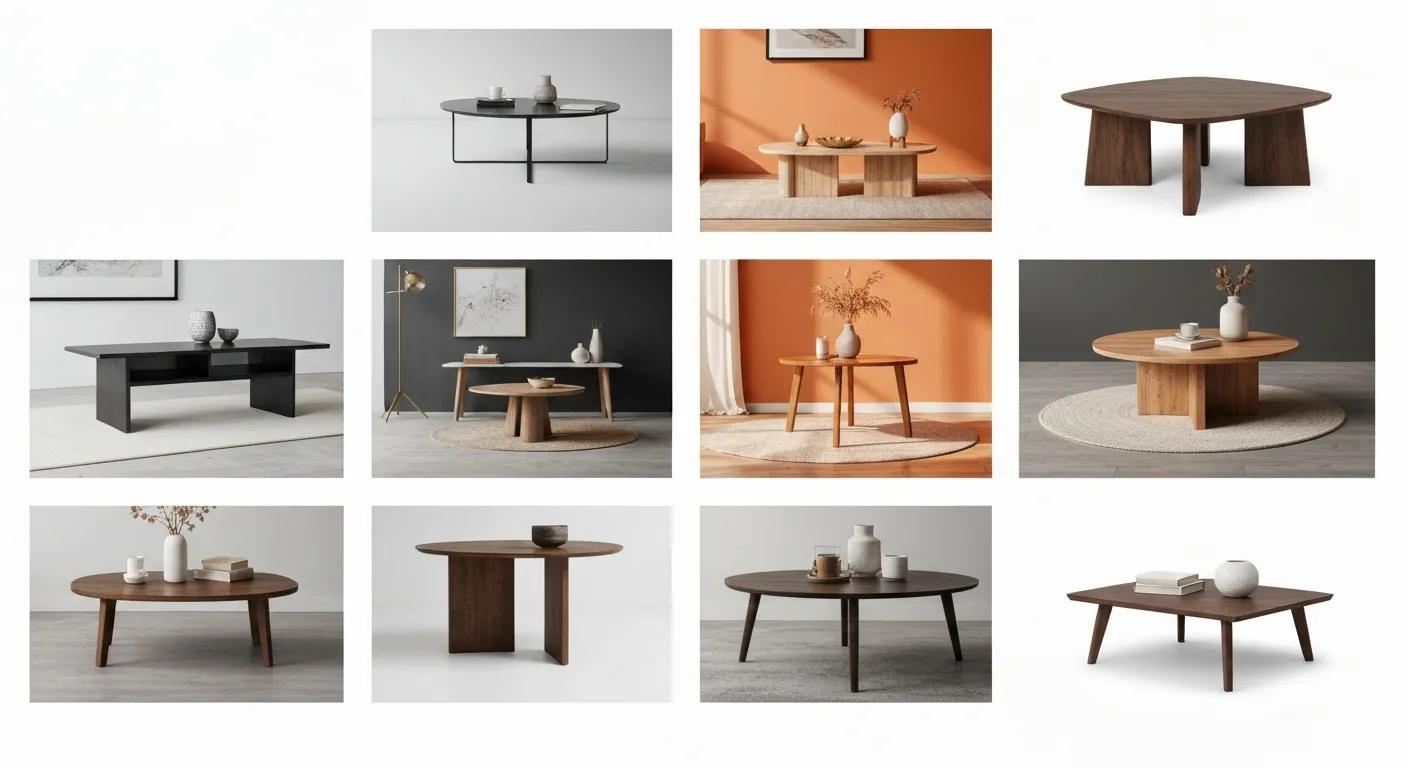
Stylish Coffee Tables for Every Space
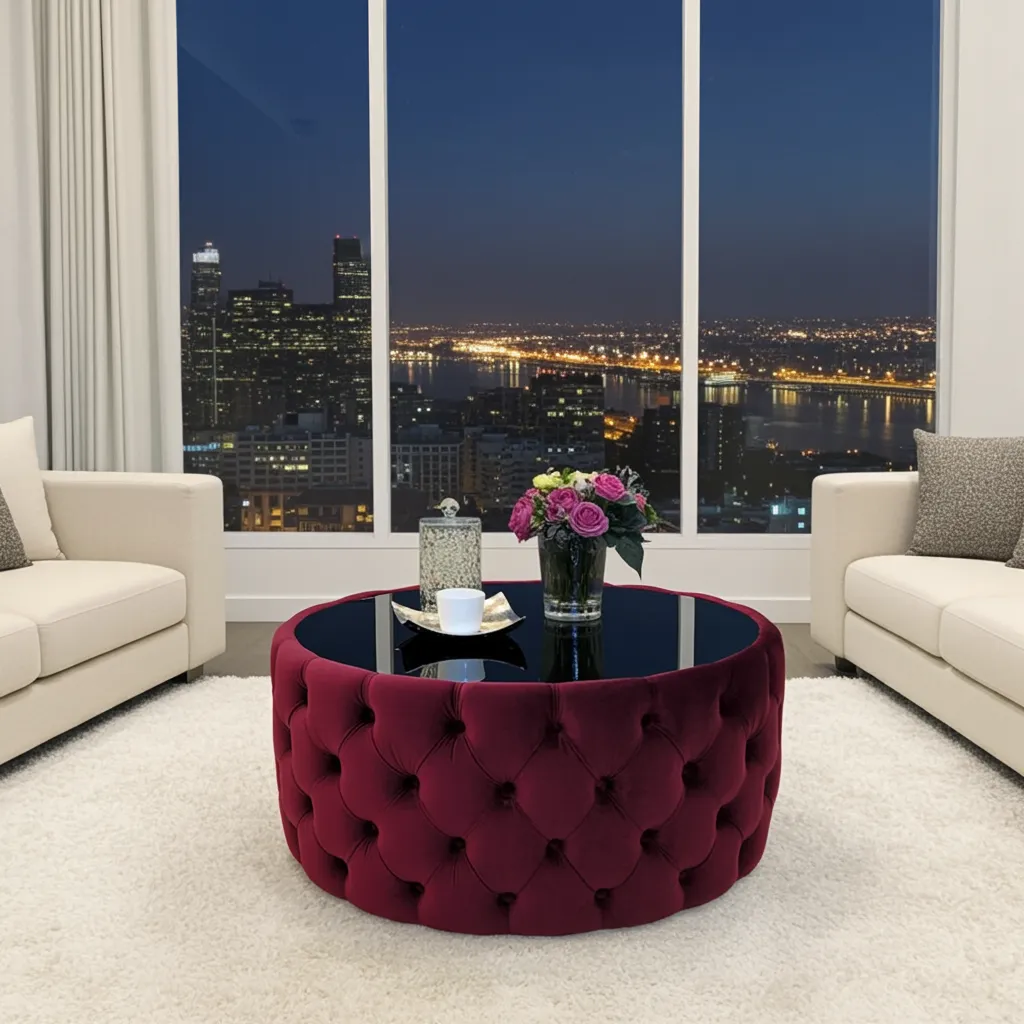
Choosing the right coffee table affects both the flow and function of a living space, shaping traffic, balance, and the room’s focal point. This guide explains major coffee table styles—modern minimalist, round and oval, wooden varieties, glass-and-metal combinations, and storage-focused designs—and shows how each suits different interiors and lifestyles. Many homeowners struggle to balance aesthetics with practical needs like storage, family safety and durability; this article offers concrete guidance on selecting materials, shapes and features that address those needs. You will find stylistic comparisons, material trade-offs, maintenance tips and clear styling checklists to help you match a coffee table to your sofa, floorplan and daily habits. The sections that follow cover popular modern coffee table styles in Ireland, how curved shapes fit rooms, a wood-type comparison with an EAV table, glass-and-metal trends with a materials table, storage solutions with another EAV table, and practical styling plus customization options for every interior. Throughout, keywords such as modern coffee tables, wooden coffee table, round coffee tables and handcrafted coffee tables Ireland are woven into practical advice to help you decide and style with confidence.
What Are the Most Popular Modern Coffee Table Styles in Ireland?
Modern coffee table styles blend clean forms with functional details, and in Ireland current tastes favour minimalist silhouettes, mid-century references and mixed-material pieces that perform in family homes and compact urban apartments. These styles prioritize low profiles, clear sightlines and durable finishes that stand up to everyday use while reflecting contemporary interiors. As natural light and open-plan living influence Irish layouts, designs that combine wood, metal and glass allow a balance between warmth and an airy atmosphere, making them widely appealing across different room sizes and lifestyles. The following list sketches core modern sub-styles and their defining benefits, offering a quick way to match style to space and use.
Modern coffee tables commonly feature these attributes:
- Minimalist: Clean lines and uncluttered surfaces that visually open a room and suit neutral palettes.
- Mid-century modern: Tapered legs and warm wood tones that add personality without overpowering other elements.
- Mixed-material contemporary: Combinations of metal frames and glass or stone tops that create contrast and lightness.
These sub-styles reflect practical priorities for Irish homes—durability, family-friendly edges and adaptable appearances—so the next subsection looks at the specific features that define modern and minimalist coffee tables in more detail.
Which Features Define Modern and Minimalist Coffee Tables?
A modern or minimalist coffee table is defined by its restraint in form, deliberate materials choice and emphasis on function, producing a piece that integrates rather than competes with a living area. Key mechanical and aesthetic features include low height for sightline continuity, thin silhouettes to reduce visual bulk, and finishes that resist marks and moisture for family use. Minimalist pieces often pair tempered glass or lacquered tops with slender metal or wooden legs to balance warmth and refinement. Choosing a table with replaceable components or a durable finish increases lifespan and simplifies maintenance, which is especially relevant for homes with children or pets. These practical attributes lead naturally into how mid-century and low-profile tables enhance interior flow and atmosphere.
How Do Mid-Century Modern and Low-Profile Tables Enhance Interiors?
Mid-century modern and low-profile coffee tables enhance interiors by improving traffic flow and creating a relaxed visual plane that complements seating rather than obstructing it. Characteristic elements such as tapered legs, exposed wood grain and lower heights create a sense of openness and timeless style that pairs well with both vintage and contemporary furnishings. Functionally, low-profile tables reduce sightline interruptions in open-plan rooms and help smaller living areas feel less crowded. Styling them with a simple tray and a couple of tactile objects keeps the look intentional and uncluttered, and this approach makes them versatile enough for family homes and urban apartments. Understanding these benefits prepares us to consider how round and oval tables address safety and flow in different room shapes.
How Do Round and Oval Coffee Tables Fit Different Interior Spaces?
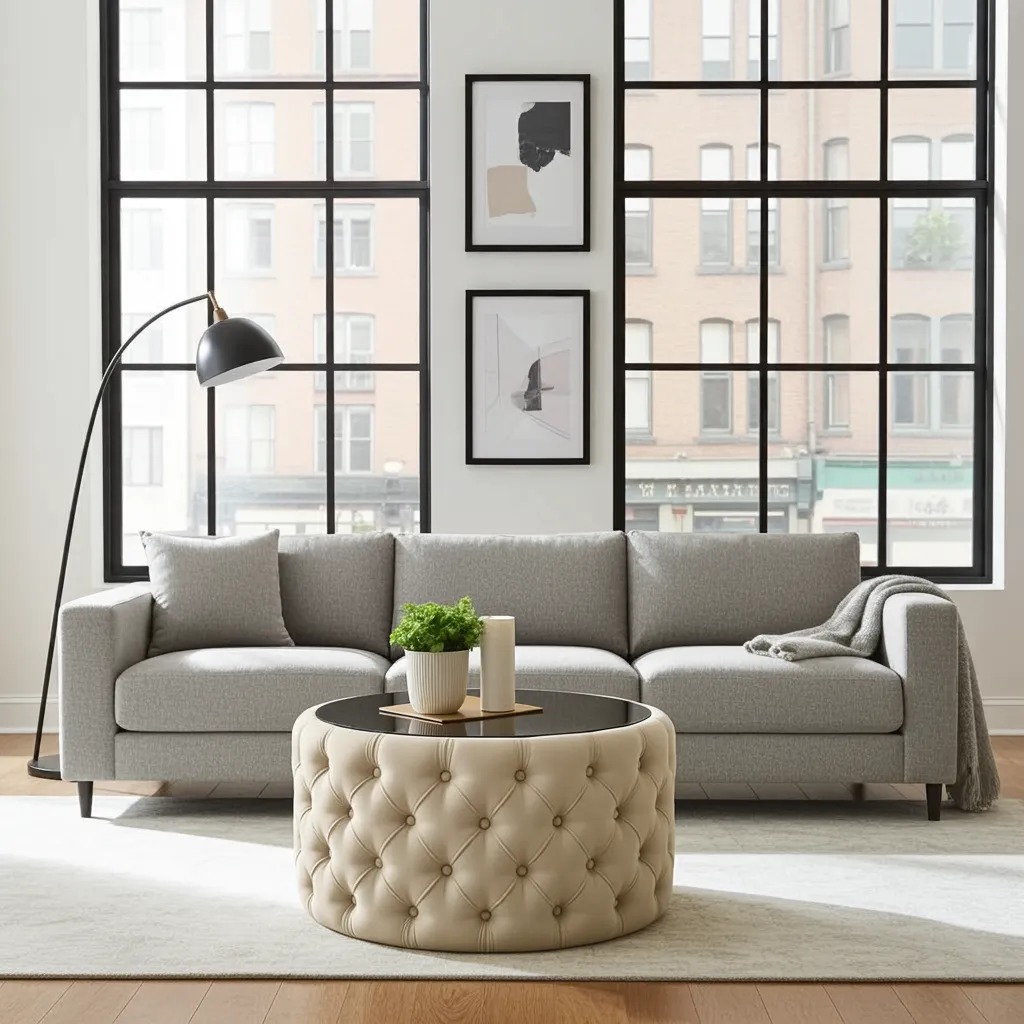
Round and oval coffee tables are defined by their curved edges and continuous forms, which soften sightlines, reduce collision risk and improve circulation in compact or busy spaces. These shapes work by eliminating sharp corners and providing equal distance to seating, which encourages conversation and flexible arrangement around sofas and chairs. In addition to safety and flow benefits, curved tables can visually break up linear furnishings, introducing contrast that elevates a room’s composition. The following list highlights the top practical advantages of choosing round or oval forms for specific living situations and design goals.
Round and oval tables offer distinct practical benefits:
- Safer edges: Curved tops lower injury risk in family homes and around high-traffic zones.
- Improved circulation: No corners means easier navigation in narrow or compact rooms.
- Sociable seating: Curves allow more inclusive arrangements for conversation and gatherings.
What Are the Benefits of Round Coffee Tables for Small and Family Homes?
Round coffee tables fit small and family-oriented homes by maximizing usable surface while removing sharp corners that can cause bumps and bruises, especially for children. Their circular footprint often requires less clearance around seating and encourages flexible placement in tight seating clusters, giving designers the freedom to add pouffes or stools for extra seating without crowding the room. Material choices such as solid wood or tempered glass affect durability and maintenance: wood hides wear and warms a space while glass keeps the room visually open. When selecting a round table, consider scale relative to the primary sofa—ideally the table should be about two-thirds the length of the sofa to maintain balance and flow. These practical considerations lead into how oval tables extend similar benefits for longer seating runs.
How Can Oval Coffee Tables Add Elegance and Functionality?
Oval coffee tables bring elegance to longer seating areas by offering a softer silhouette that fits neatly alongside sofas without the abruptness of sharp corners, which makes them ideal for narrow living rooms and long sofas. The elongated form provides generous surface area for serving or styling while retaining the traffic benefits of curved edges, making them practical for homes that entertain or for families that need multi-purpose surfaces. Pairing an oval table’s top material—such as warm walnut or cool marble—with appropriate leg finishes can tilt the look between understated elegance and bold statement. Oval shapes also layer well with nested side tables or a pouffe to create dynamic, modular arrangements that adapt to different activities and gatherings.
What Wooden Coffee Table Types Best Suit Various Interior Designs?
Wooden coffee tables span a broad range from pale, contemporary oak to richly toned walnut and characterful reclaimed wood, each offering distinct durability, appearance and sustainability qualities that influence design choices. Wood types affect grain visibility, staining potential and long-term wear, so selecting the right species and finish ensures the table aligns with both aesthetic intent and practical needs. Below is a comparative EAV-style table that summarizes differences among common wood types, followed by guidance on how handcrafted construction enhances longevity and style flexibility.
The comparative table clarifies trade-offs designers face: oak for resilience, walnut for warmth, and reclaimed wood for character and eco-credentials. Understanding these differences leads naturally into the advantages of handcrafted wooden coffee tables and how craftsmanship affects durability and repairability.
How Do Oak, Walnut, and Reclaimed Wood Coffee Tables Differ?
Oak, walnut and reclaimed wood differ in grain, colour depth, cost and sustainability profile, making each better suited to particular interiors and maintenance habits. Oak is celebrated for its robust structure and visible grain that supports both modern and rustic finishes, making it a practical choice for busy households that need longevity. Walnut offers a richer tone and refined grain that elevates mid-century or luxurious interiors but usually requires attentive maintenance to preserve its finish. Reclaimed wood delivers a unique surface patina and strong sustainability credentials, though its character can include knots and repairs that add provenance and visual interest. Selecting among these options depends on whether the priority is long-term durability, refined aesthetics or ecological considerations, which naturally leads to why handcrafted construction amplifies these benefits.
Why Choose Handcrafted Wooden Coffee Tables for Durability and Style?
Handcrafted wooden coffee tables typically use traditional joinery, thicker tops and attention to finish that together increase repairability and lifespan compared with mass-produced alternatives. Craft markers to look for include dovetail or mortise-and-tenon joints, solid-top construction with edge detailing and a finish applied in multiple stages for wear resistance. Handcrafting also enables custom dimensions and finishes—useful for awkward living rooms or unique style preferences—ensuring the piece fits both physically and visually. For shoppers seeking Irish-made options, handcrafted pieces often carry local material knowledge and quality control that benefit long-term ownership. When considering purchase, bear in mind the balance between bespoke craftsmanship and budget, and consider exploring specialist collections that offer handcrafted wooden options and customization.
When Irish-made handcrafted models are of interest, PouffeLOVE offers a curated selection of modern handcrafted tables and configurable options that reflect these craftsmanship values. Provide useful information about handcrafted furniture and lead people to discover, customize, and purchase products.
Why Are Glass and Metal Coffee Tables Trending in Contemporary Interiors?
Glass-and-metal combinations are trending because they deliver an airy, reflective surface balanced by structural contrast, which helps light circulate in contemporary interiors while presenting a refined edge. The aesthetic effect of glass paired with metal ranges from industrial minimalism to polished glam, and material choices such as tempered glass and powder-coated metal frames determine both safety and longevity. Practical considerations include scratch and fingerprint visibility on glass tops, and the finish resilience of metal frames against corrosion or chipping. To clarify how combinations behave in real settings, the following EAV-style table compares common material pairings and their maintenance implications.
This material comparison demonstrates trade-offs: glass and acrylic lighten a room visually but demand cleaning and careful use, while marble adds permanence and weight. These considerations inform both purchase decisions and how designers pair these materials with textiles and wood in living spaces.
What Makes Tempered Glass and Metal Frames Durable and Stylish?
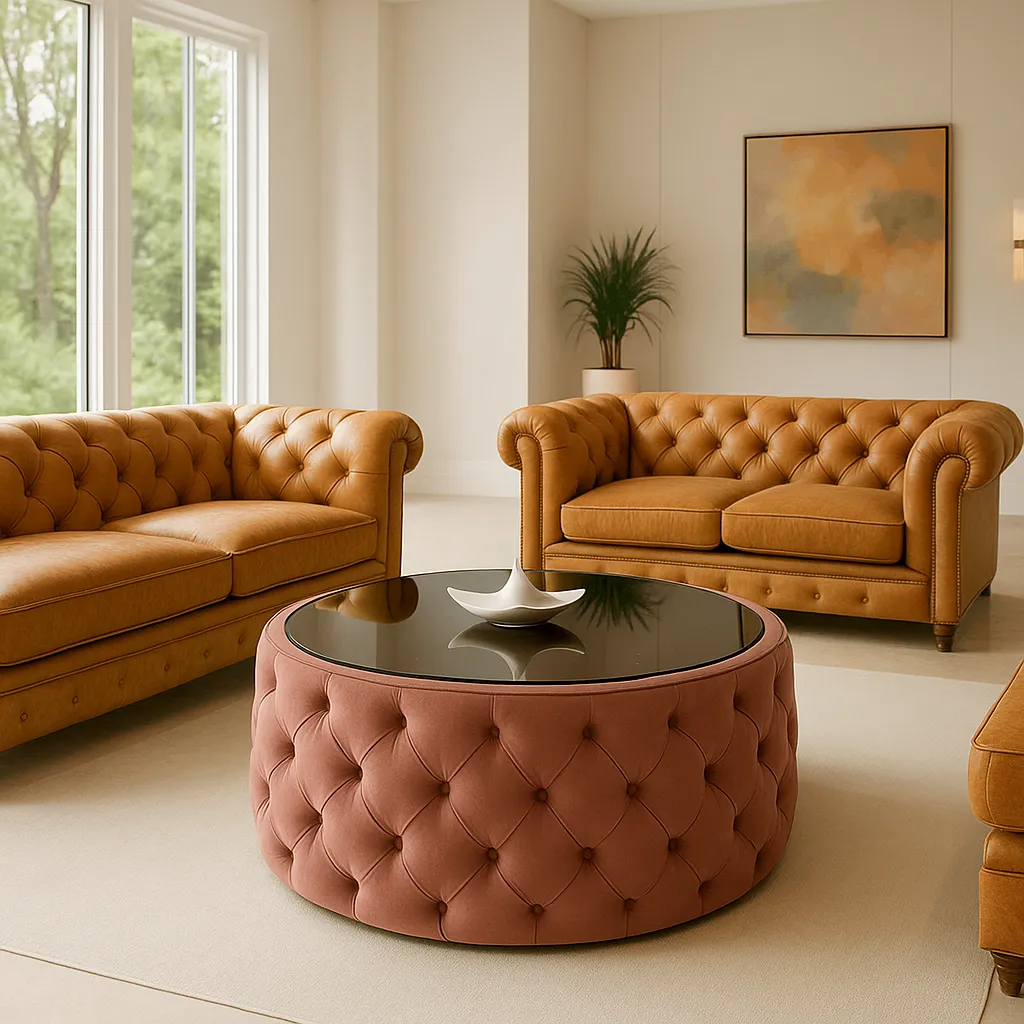
Tempered glass is stronger than regular glass due to thermal or chemical treatments that increase resistance and reduce the risk of dangerous shattering, making it a preferred choice for households seeking safety without losing visual openness. Metal frames finished with powder-coating, brushed brass or chrome provide both structural support and a range of stylistic cues—from robust industrial anchoring to refined glam accents—each finish offering different scratch and corrosion resistance. Maintenance is straightforward: regular gentle cleaning for glass, and periodic inspection of frame joints for tightness and finish integrity. Choosing the right combination depends on lifestyle factors such as children, frequency of entertaining and the desired balance between warmth and modernity, which leads to examples of design motifs that use glass and metal effectively.
Which Industrial and Glam Designs Use Glass and Metal Effectively?
Industrial designs pair dark or matte metal frames with clear or smoked glass to create bold silhouettes that read as functional and unpretentious, while glam interiors favour polished brass or chrome frames with reflective surfaces for a luxurious shimmer. Contemporary schemes often use minimal metal accents and thin glass tops to maintain a lightweight visual profile that complements layered textiles and wooden elements. Styling cues include matching metal finishes to lighting or side table hardware, and contrasting glass tops against textured rugs to create depth. These pattern choices help define room character and inform product selection when balancing trendiness with longevity and ease of care.
How Can Coffee Tables with Storage Solutions Maximize Space and Function?
Coffee tables with integrated storage transform living rooms by combining surface area with concealed or modular compartments, supporting activities like dining, working and toy storage without sacrificing style. Storage types vary—lift-top mechanisms, nesting sets and storage-coffer tops—each with specific ergonomic and spatial trade-offs that suit families, small flats or multi-use rooms. To present these differences clearly, the EAV table below summarises storage types by function, ease of use and best-fit scenarios, followed by practical selection guidance and product examples for functionality-first shoppers.
This comparison highlights which storage approach aligns with specific lifestyle needs, helping readers choose the right compromise between accessibility and aesthetics. The next subsections explore lift-top advantages and nesting flexibility in more detail.
What Are the Advantages of Lift-Top Coffee Tables?
Lift-top coffee tables add multifunctional capability by raising the surface to dining or work height while concealing storage beneath, effectively turning a living area into a temporary workspace or dining spot. The mechanism quality is critical: robust, well-tested lifts provide smooth, safe operation and longer lifespan, whereas poor mechanisms may wobble or fail under repeated use. Lift-top tables are particularly useful for compact apartments, remote workers and families who need adaptable surfaces without adding furniture. Consider weight limits, ease of cleaning inside the storage cavity and whether the raised surface aligns ergonomically with seating; these considerations guide buyers toward mechanisms and designs that will last and perform.
Multi-Purpose Coffee Table Design for Modern Homes with Storage Solutions
A coffee table is an essential piece of furniture in modern homes. It is intended to hold beverages, remote controls, storage, displays, etc. Coffee tables come in different shapes and sizes. However, not all tables save space, especially in small houses like apartments and tiny homes. Therefore, many resortsto not having tables at all which then resulted in a messy and disorganized environment. One of the possible solutions is producing a multi-purpose coffee table with more storage and minimized spaces. A survey has been done to evaluate the customers’ need for a coffee table. The questionnaires which consist of criteria, problems and demands were given to 19 correspondents with different ages, and gender. The data has been analyzed and discussed. From the study, a design of coffee table was produced with Solid Work application and materials used; plywood, screws, ball bearing slide and self-locking hinge are used to fabricate the design.
DESIGN AND FABRICATION OF MULTI-PURPOSE COFFEE TABLE, N Manap, 2023
How Do Nesting Coffee Tables Offer Flexible Space-Saving Options?
Nesting coffee tables consist of two or more tables designed to slide partially under a larger table, offering instant configurability for guests or daily tasks and the ability to stagger heights for layered styling. Their modularity means they can be used separately as occasional side tables, for serving during gatherings, or nested neatly to free floor space when not needed. Mixing materials—such as pairing a wood-topped main table with metal or glass nesting companions—creates a textured, layered look that remains cohesive yet flexible. For small urban homes and those entertaining regularly, nesting sets deliver both aesthetic range and practical adaptability without permanent footprint expansion.
When storage or function-first models are needed, PouffeLOVE includes practical handcrafted options such as nesting and lift-top concepts that combine style with usability. Provide useful information about handcrafted furniture and lead people to discover, customize, and purchase products.
How Can You Style and Customize Your Coffee Table for Every Interior?
Styling and customization focus on scale, balance and functional layering to ensure a coffee table complements the room and supports daily life. A considered styling approach looks at table height relative to seating, grouping objects to create focal points, and balancing materials and textures across the room. Customization allows adaptation of leg styles, finishes and dimensions so the table fits unusual spaces or matches existing furnishings, making bespoke options particularly valuable in older homes or non-standard layouts. The section that follows gives essential styling tips for different shapes, then explains how PouffeLOVE’s customization options can help you tailor a table to your exact needs.
Start with these essential styling principles before moving into shape-specific checklists:
- Scale first: Ensure table width is proportionate to sofa length and leaves adequate circulation.
- Layer heights: Use a mix of low trays, tall books and sculptural objects for visual interest.
- Texture balance: Contrast hard surfaces with soft textiles like a pouffe or rug to warm the composition.
Applying these principles ensures your coffee table reads as intentional and practical in any interior, which naturally leads into shape-specific styling tips.
What Are Essential Styling Tips for Different Coffee Table Shapes?
Styling varies by shape: round tables benefit from a central cluster—tray, vase and one taller item—to maintain balance, while rectangular tables work best with a linear arrangement that mirrors the sofa’s length. Nesting sets call for staggered items that play with height and material contrast to emphasize their modular nature, whereas low-profile tables suit minimal, low stacks to keep sightlines open. Incorporate at least one living element, such as a plant or fresh flowers, to introduce warmth and life against harder surfaces. These shape-specific tactics help your coffee table support both daily function and a considered aesthetic.
How Does PouffeLOVE’s Customization Enhance Your Coffee Table Choice?
PouffeLOVE specialises in handcrafted furniture with flexible customization, offering options in materials, legs and finishes to match interiors and functional needs while staying aligned with local Irish craftsmanship values. Customers can choose configurations such as different leg profiles, bespoke dimensions and combinations of glass, metal or wooden tops in order to fit awkward spaces or achieve a precise look. Handcrafted construction supports durable joinery and the possibility of repairs or refinishing, creating a table that matures gracefully with a home. Provide useful information about handcrafted furniture and lead people to discover, customize, and purchase products.
Styling choices and material decisions lead naturally to selecting complements—side tables, pouffes and benches—that create a cohesive living area while meeting everyday requirements.

