Modern & Versatile Extendable Dining Tables: How to Choose the Best Space-Saving and Stylish Option
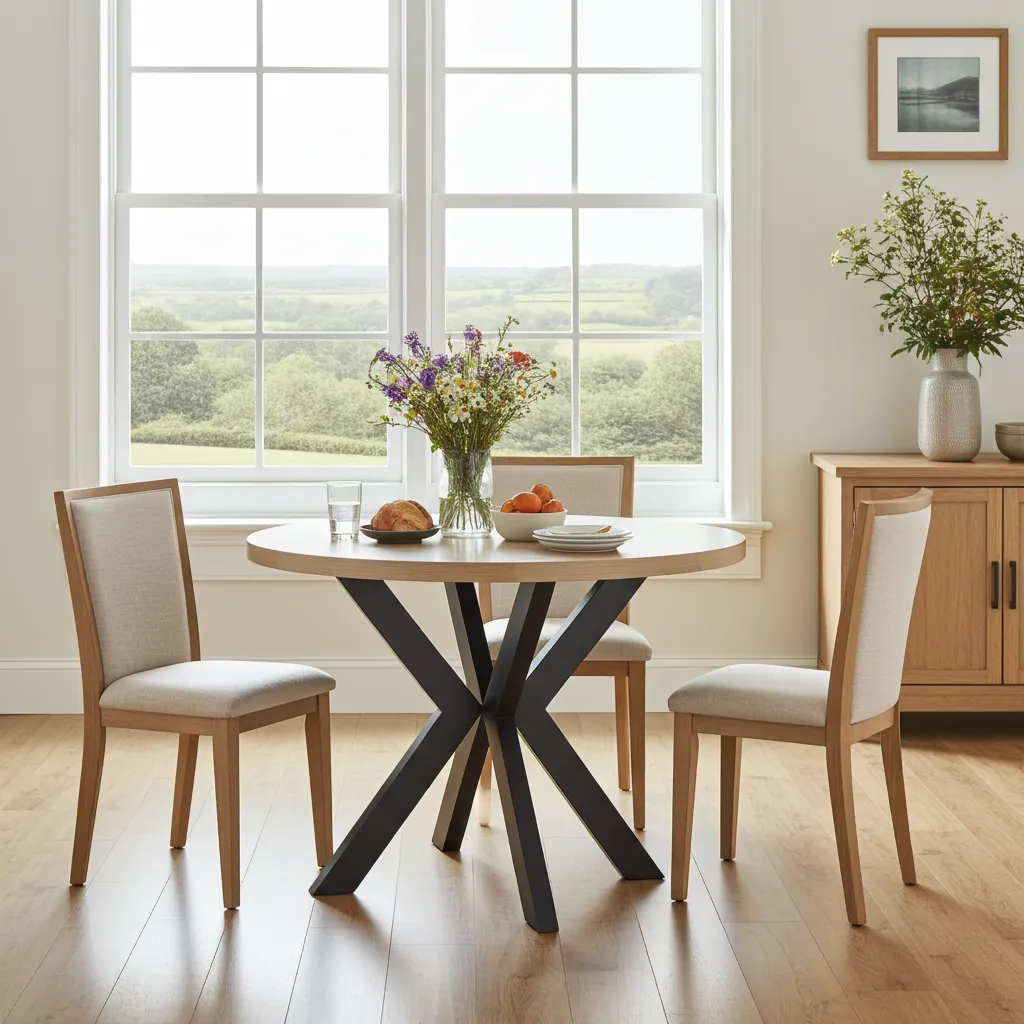
Extendable dining tables combine a compact daily footprint with the ability to seat extra guests, making them an ideal choice for evolving homes and entertaining. This guide explains what extendable tables are, why contemporary designs matter, and how mechanism, material, size, and style influence long-term usability. Many buyers struggle to balance space constraints with the desire for durable, stylish furniture; this article offers clear selection rules and practical measurement steps to solve that problem. You will learn the key benefits, how common extension mechanisms compare, material trade-offs and maintenance, how to size and shape a table for your room, and the top 2026 design trends that influence choices. Read on for featured-snippet style answers, side-by-side comparison tables, actionable lists, and measurement guidance to help you choose the right extendable dining table for your lifestyle.
What Are the Key Benefits of Modern Extendable Dining Tables?
Modern extendable dining tables provide flexibility, space efficiency, and aesthetic versatility by letting a single piece perform as a daily table and as a larger hosting surface when needed. The mechanism—whether a folding leaf or sliding rail—determines how quickly the tabletop transforms and how leaves are stored, directly affecting usability and longevity. Below is a concise list of primary benefits designed for quick comparison and featured-snippet clarity.
Extendable tables deliver three core advantages:
- Space-saving versatility: Collapses for everyday use, expands for guests to maximize usable floor area.
- Entertaining flexibility: Adds seating capacity quickly without permanent large footprint.
- Design adaptability: Modern finishes and hidden mechanisms allow the table to fit Scandinavian, industrial, or minimalist interiors.
These benefits make extendable tables particularly useful for small apartments and multi-use rooms, and they naturally lead into how compact layouts differ from open-plan homes when using extensions.
How Do Extendable Tables Save Space in Small and Large Homes?
An extendable dining table saves space by offering a reduced collapsed footprint for daily life and a larger extended surface when needed, with leaves that either self-store or are removed and stowed separately. For a studio apartment, a compact oval table with a self-storing butterfly leaf can provide seating for two daily and four when extended without extra storage needs. In an open-plan home, a rectangular table with removable leaves can expand to host larger gatherings while keeping circulation open when collapsed. Consider whether you need self-storing leaves or removable leaves based on your storage availability and frequency of expansion, since that choice affects both convenience and placement planning.
Why Are Modern Designs Popular for Extendable Dining Tables?
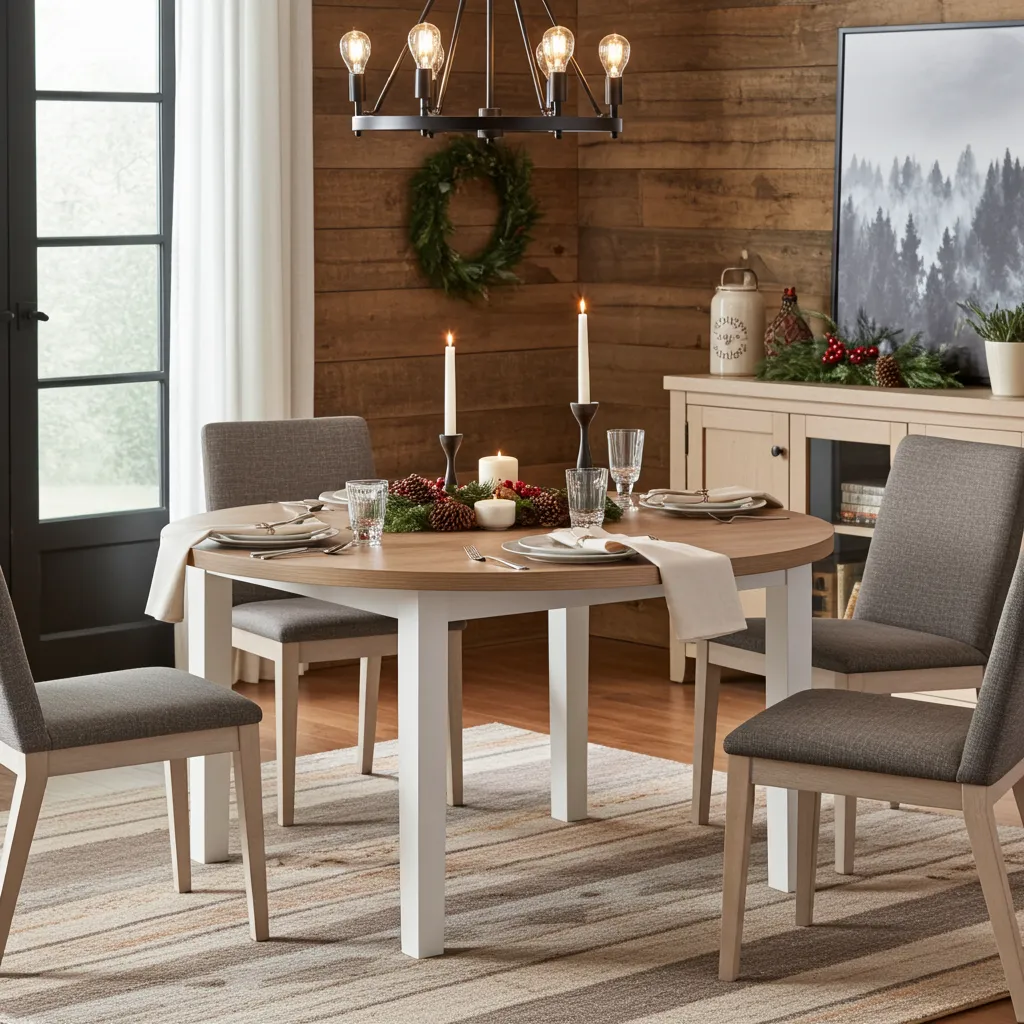
Modern designs emphasize clean lines, low-profile seams, and mixed materials that conceal mechanisms while contributing visual lightness, which makes extendable tables feel contemporary even when expanded. Materials like light oak or ceramic tops signal modernity and pair well with thin extension rails or integrated pedestal bases that free legroom. Minimal profiles hide seams and hardware, making the table readable as a single surface in daily use while preserving functionality when extended. These design cues inform both the material choice and the mechanism type you select for a cohesive modern interior.
How Do Extendable Tables Adapt to Different Seating Needs?
Extendable tables adapt seating by increasing length or diameter with leaves sized to add 1–3 seats per leaf, and by pairing with benches or stackable chairs to maximize capacity in a compact footprint. For example, a collapsed table for four can often extend to seat six or eight with one or two leaves; benches slide under the table when not in use for extra flexibility. Mix and match chairs and benches to balance comfort, storage, and visual weight when expanded. These seating strategies tie directly to both mechanism selection and shape choice discussed later.
What Types of Extension Mechanisms Are Available for Extendable Dining Tables?
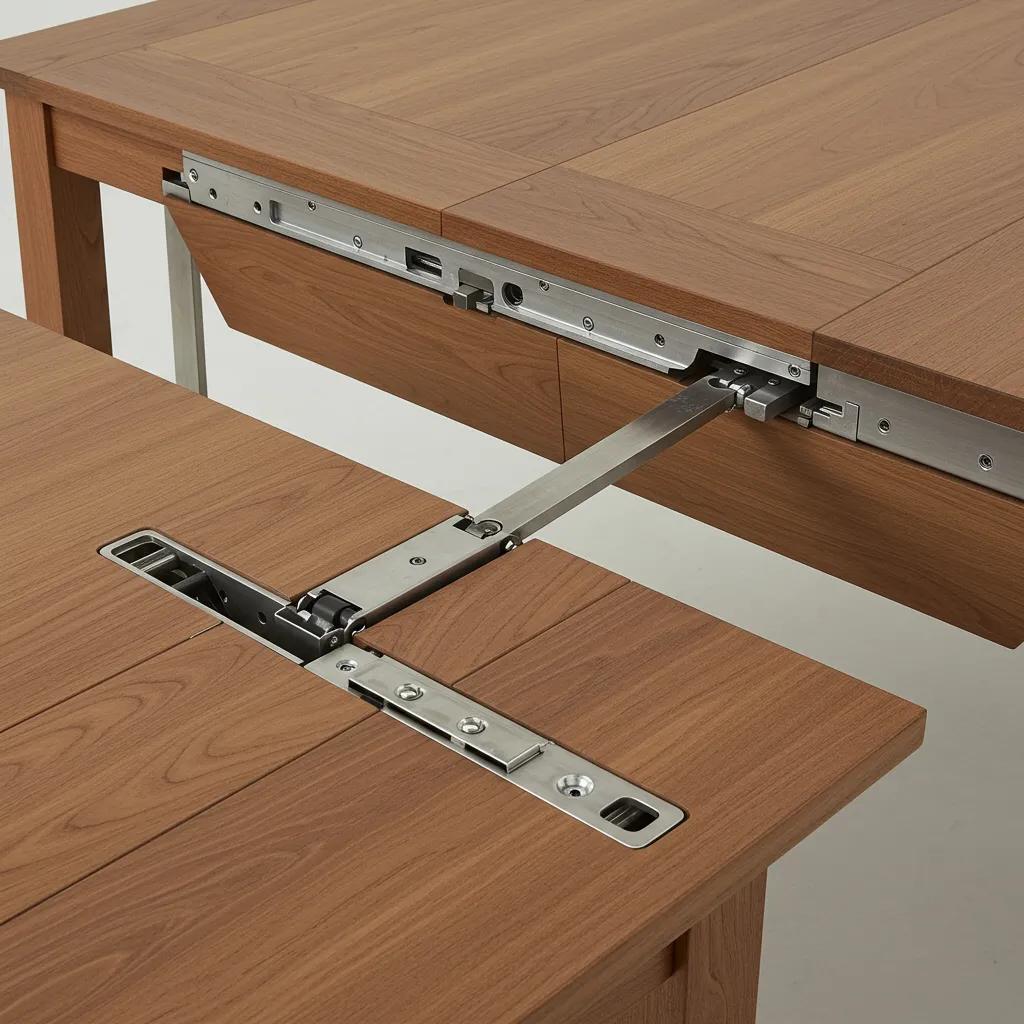
Extension mechanisms vary from simple hinged drop-leaves to engineered telescopic rails; each mechanism balances ease of use, storage behavior, durability, and cost. Understanding mechanism types helps you prioritize whether speed, compact storage, or longevity matters most for your household. The list below defines common mechanisms with short pros and cons to aid a quick decision.
- Butterfly leaf: Self-stores beneath the table surface; fast expansion, moderate seam visibility.
- Drop-leaf: Side leaves fold down on hinges; ideal for extremely tight spaces, manual setup.
- Telescopic/sliding rails: Smooth extension with integrated leaves; robust but often heavier and pricier.
- Slide-and-store: Leaves slide into a compartment under the top; good storage, slightly more complex to manufacture.
- Flip-top: Section flips out from one end; compact and simple, best for occasional use.
Below is a practical comparison table to match mechanisms to priorities like ease-of-use and best use case.
This table clarifies trade-offs so you can map the mechanism to your lifestyle before considering specific models or finishes.
How Does a Butterfly Leaf Mechanism Work and What Are Its Benefits?
A butterfly leaf folds in two or more sections and tucks under the main tabletop, opening by pulling the table ends apart and flipping the folded leaf into place. This mechanism provides quick expansion without separate storage for leaves, which reduces clutter and suits compact homes. Potential drawbacks include a visible seam or alignment sensitivity over time if not well-maintained. If you prioritize fast setup and minimal storage needs, a butterfly leaf often offers the best balance of convenience and appearance.
What Are the Pros and Cons of Drop-leaf and Telescopic Extensions?
Drop-leaf mechanisms use hinged side panels that fold down and require manual support, offering a low-cost, very compact option ideal for narrow rooms. Telescopic extensions employ sliding rails and integrated leaves for a smooth, single-motion expansion that is durable and better suited to frequent entertaining but typically costs more. Choose drop-leaf for minimal footprint and infrequent use; choose telescopic for regular hosting and longevity. Understanding these practical trade-offs helps align expectations about maintenance and robustness.
Which Extension Mechanism Is Best for Ease of Use and Durability?
For ease of use, telescopic and slide-and-store systems rank highest due to smooth operation and integrated leaves; for long-term durability, solid hardware and well-sealed rails matter most. If you host often, prioritize telescopic rails with reinforced slides; if expansion is rare, a drop-leaf or butterfly leaf minimizes complexity. Regular check-ups—tightening screws and lubricating slides—preserve mechanism life, so maintenance plans should inform your mechanism choice and buying decision.
Which Materials and Finishes Are Best for Durable and Stylish Extendable Dining Tables?
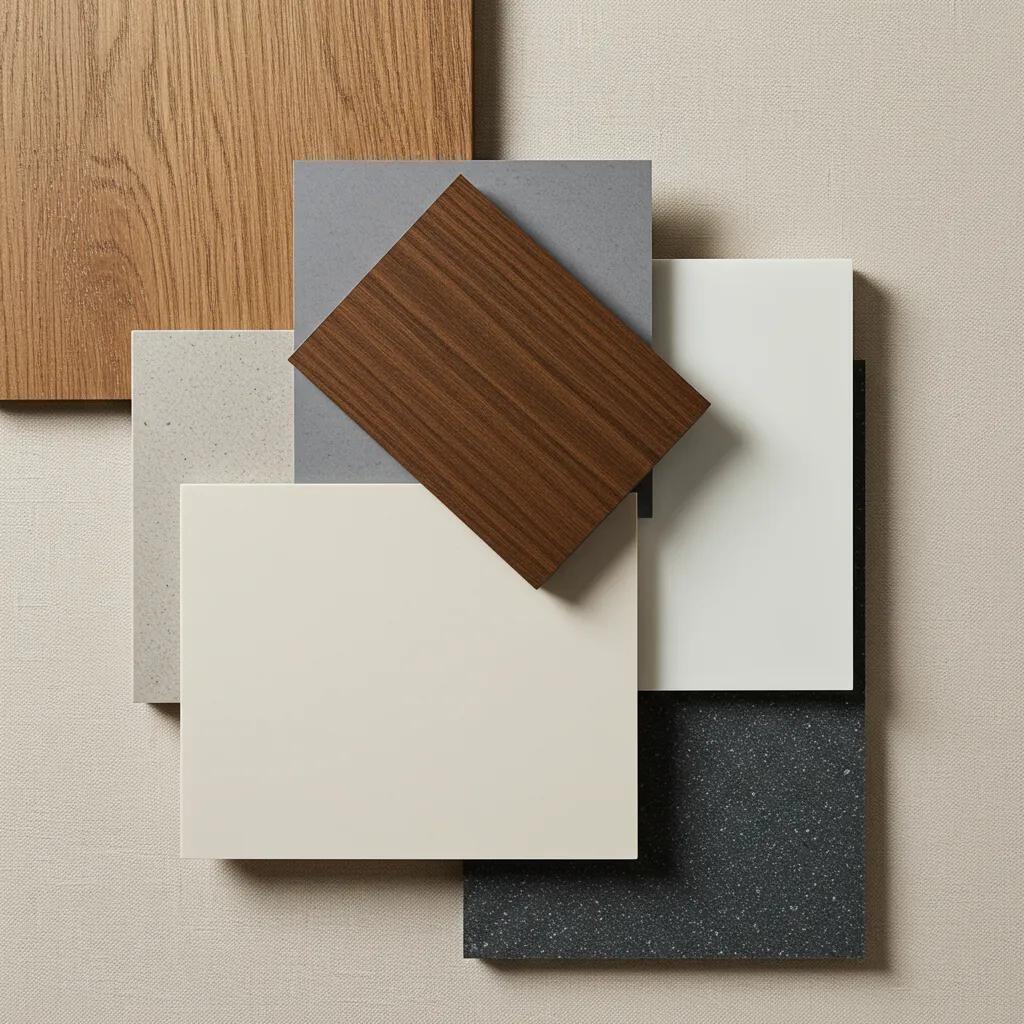
Tabletop and base materials determine weight, scratch resistance, and aesthetic fit; common options include solid oak or walnut, engineered veneer, ceramic, glass, and metal bases. Matching material properties to lifestyle—families with kids, small apartments, formal dining—ensures the table performs and ages gracefully. The following table helps match materials to buyer profiles and maintenance expectations.
This overview lets you prioritize weight and maintenance trade-offs before narrowing design choices.
What Are the Advantages of Solid Wood Tables Like Oak and Walnut?
Solid wood tables offer durability, the ability to be refinished, and a warm, timeless aesthetic that improves with age. Their weight provides stability for heavy mechanisms but can complicate moving and delivery. Families benefit from solid wood’s repairability, while buyers in small apartments may prefer lighter veneers for easier handling. Understanding these pros and cons guides whether a durable extendable dining table for families should be solid wood or a lighter alternative.
How Do Ceramic and Glass Tops Enhance Modern Extendable Tables?
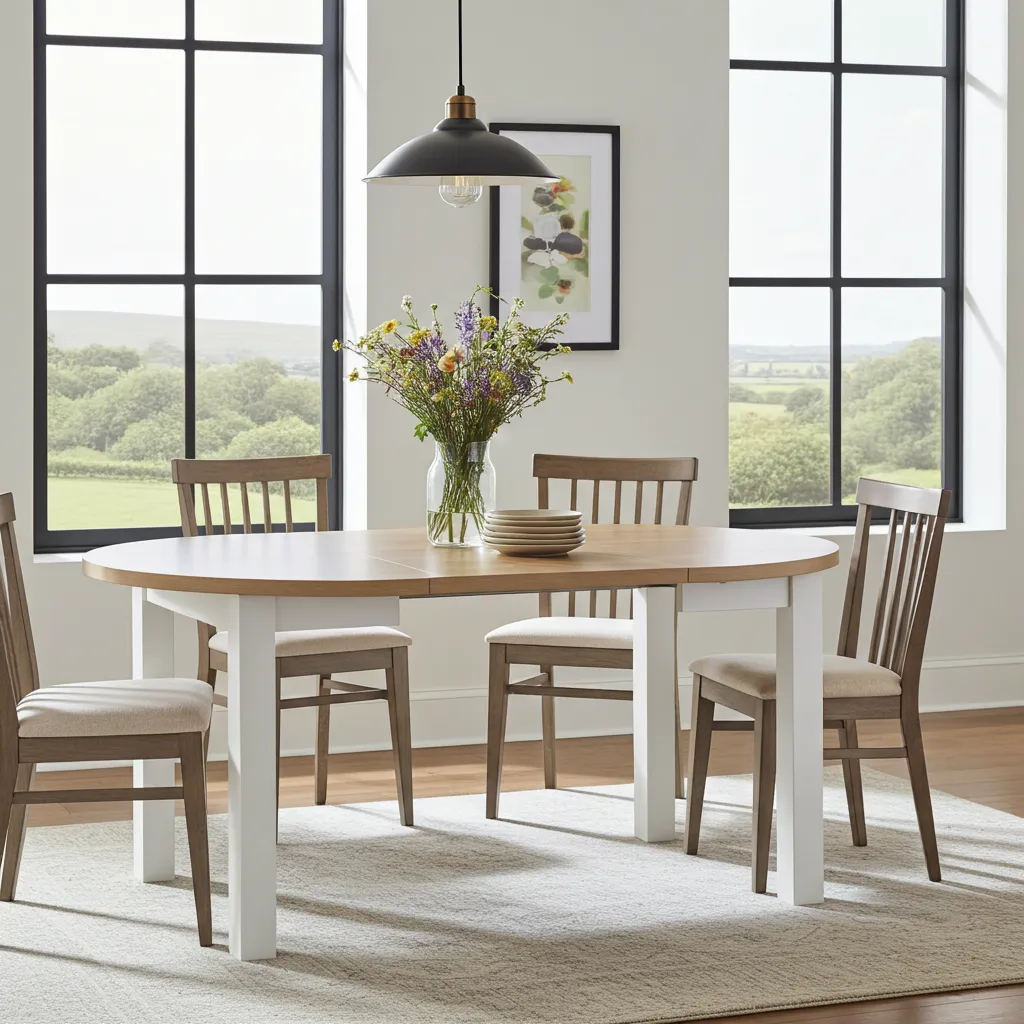
Ceramic tops deliver a premium modern look with excellent heat and scratch resistance, making them suitable for active kitchens and adult households. Glass tops create a sleek, reflective surface that visually opens tight rooms but may show fingerprints and be less forgiving with impact. Both options require strong bases to support weight—ceramic especially—and their material choices affect mechanism compatibility and transport. Choose ceramic for durability and modern style; choose glass for visual lightness and a minimalist aesthetic.
What Maintenance Is Needed to Keep Different Materials Looking New?
Practical maintenance routines preserve finishes and mechanism performance: daily wiping with a soft cloth for glass and ceramic, gentle oiling or wax for solid wood, and using coasters and placemats to prevent heat and moisture damage. Periodically check extension rails for debris and lubricate as needed; tighten screws to prevent wobble and misalignment that can increase seam visibility. Avoid harsh cleaners on veneer and sealed surfaces and reseal solid wood surfaces when finish wear appears. These simple routines extend both material appearance and mechanism longevity.
How Do You Choose the Right Size and Shape for Your Extendable Dining Table?
Choosing size and shape depends on room dimensions, clearance needs, and seating goals; measure available floor area, account for chair clearance, and map out the extended footprint before buying. A clear how-to measurement process ensures you match collapsed and extended dimensions to your room flow and intended seating capacity. Follow these steps and use the quick reference table below to align seating with dimensions and clearance needs.
- Measure room width and length, subtract permanent furniture and circulation paths.
- Allow clearance: aim for ~90 cm (36 in) behind chairs for comfortable movement.
- Plan extended footprint: add leaf length to collapsed table dimensions to test traffic flow.
Use the table to map seating targets to dimensions and suggested room sizes.
This mapping helps you visualize how legroom and circulation change when the table is extended.
What Table Shapes Work Best for Small vs. Large Dining Spaces?
Round and oval tables maximize movement and flow in compact rooms by eliminating sharp corners and improving circulation, while rectangular tables work well in elongated dining rooms where seating capacity matters. Pedestal bases increase usable legroom, especially in round extendable models, and square tables suit square rooms with multi-use orientations. Choose shape based on room proportions and whether you favor flow (round) or maximum seating (rectangular), since shape affects leaf type compatibility and seating arrangements.
How Much Space Is Needed Around an Extendable Dining Table?
Aim for roughly 90 cm (36 in) of clearance behind chairs for comfortable movement and serving; in very tight layouts 60–75 cm can work but reduces comfort. Remember to evaluate clearance for the extended table state—doors, walkways, and appliance access must remain unobstructed when the table is fully open. For multi-use rooms, consider sliding chairs or benches that tuck in to reclaim floor space when the table is collapsed. These clearance rules ensure your extendable table functions both daily and when hosting.
How to Match Table Size with Seating Capacity for Entertaining?
Match table length or diameter to seat counts using simple per-person width rules—about 60 cm (24 in) per person along the table edge and slightly less for bench seating. Plan leaf sizes that add the necessary linear inches to accommodate extra guests and ensure storage solutions if leaves are removable. Mix chairs and benches to increase flexible capacity without permanently increasing footprint. Properly calculated leaf sizing and seating combinations let you host comfortably without sacrificing everyday space.
What Are the Top Modern Styles and Design Trends for Extendable Dining Tables in 2026?
2026 trends emphasize modularity, sustainability cues, and customizable finishes that let extendable tables fit diverse modern interiors while remaining practical for multi-use homes. Buyers increasingly favor light woods, mixed-material bases, and concealed mechanisms that maintain a single-surface appearance when collapsed. These stylistic directions influence material selection and mechanism choice, making it important to prioritize both form and function before ordering. The following style breakdowns show how design language affects extendable table selection and customization.
How Do Scandinavian and Minimalist Styles Influence Table Design?
Scandinavian and minimalist styles favor light oak or ash tones, tapered legs, slim profiles, and hidden mechanisms to keep visual clutter minimal while maximizing function. Design cues include discreet seams, neutral finishes, and multi-function bases that provide leg clearance and airy presence. When choosing a table for these styles, prioritize thin extension rails, natural wood finishes, and simple hardware for an uncluttered look. These choices create a versatile extendable dining table for small apartments and modern living.
What Features Make Industrial and Mid-Century Tables Stand Out?
Industrial and mid-century extendable tables use mixed materials—metal frames, reclaimed wood, bold bases, and tapered silhouettes—to create character while accommodating modern mechanisms. Industrial pieces often show robust metalwork that supports heavier tops like ceramic, while mid-century designs pair engineered mechanisms with elegant tapered legs for a vintage-modern balance. Choose these styles when you want a statement piece that also performs, keeping in mind material-weight and mechanism compatibility. The resulting furniture reads as both functional and characterful in lofts or classic dining rooms.
How Can Customization Options Enhance Your Extendable Dining Table?
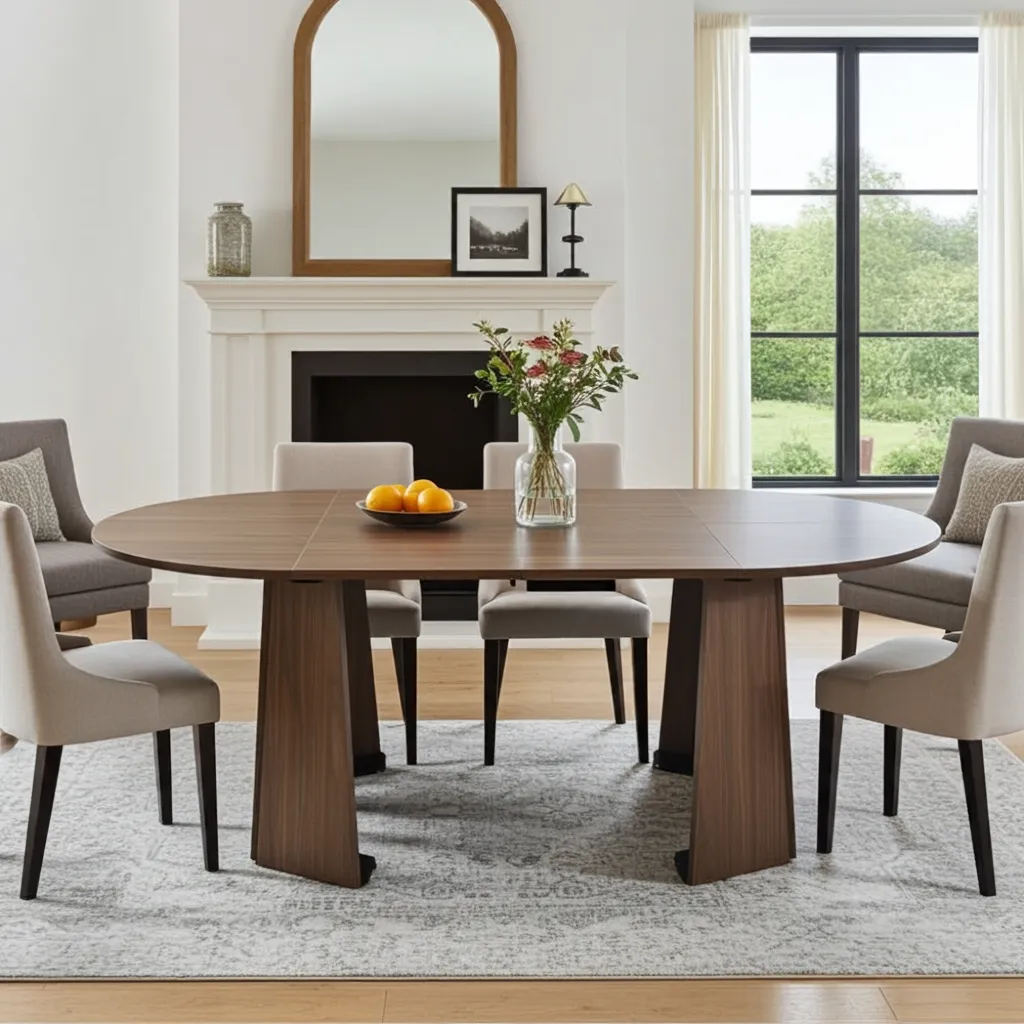
Customization—finish, leaf type, base style, and size—lets you adapt a table to room proportions and lifestyle priorities, from child-friendly finishes to premium ceramic tops for adult-only homes. Prioritize customization that addresses your key constraints: transport weight, storage of leaves, and ease of extension. Visualization tools and made-to-order sizing improve fit, while pick-and-choose leaves let you plan seating increments precisely. Thoughtful customization ensures the table you pick performs for daily life and for the occasional large gathering.

