PouffeLOVE Blog: Expert Guides and Inspiration for Pouffe Styling, Custom Upholstered Furniture, and Irish Home Decor Trends
Pouffes and custom upholstered pieces can transform a room by combining comfort, function, and personality, and this blog is a practical hub for learning how to style, choose, and care for them in Irish homes. You will learn clear, actionable advice on styling pouffes for small spaces, choosing materials like velvet, boucle and eco-leather, and maintaining handcrafted furniture to extend its life. As a resource focused on handcrafted pouffes and custom upholstered furniture in Ireland, the guidance draws on material properties, sizing rules, and sustainability considerations to help homeowners and businesses make confident design decisions. The article maps the key areas readers care about: styling techniques and placement, why custom upholstery in Ireland is distinctive, 2025 decor trends, material-specific care and restoration, reasons to consider a local maker, sustainable options, and a step-by-step buying checklist. Each section uses practical examples, short lists, and comparison tables to speed decision-making for those searching “how to style pouffes” or “choose pouffe size” in Irish interiors. Read on for hands-on tips that bridge stylish ideas with the realities of living in Ireland’s light and climate.
How to Style Pouffes in Irish Homes: Ideas and Practical Tips
A pouffe is a compact upholstered seat or footrest that adds texture and utility by functioning as extra seating, a footstool, or an informal side table; its small scale and mobility make it ideal for flexible Irish living rooms and bedrooms. Pouffes work because they introduce a tactile layer—through upholstery fabric, filling, and silhouette—that both contrasts and complements larger furniture pieces, which increases usability without overwhelming the room. Styling a pouffe well balances scale, colour, and function so the piece reads as intentional rather than accidental, and understanding placement rules will help you create flow and comfort. Below are practical styling tips that emphasise proportion, multi-functionality, and material pairing for typical Irish homes.
Use these multi-role styling tactics for immediate impact:
- Place a pouffe beside a sofa at 30–40 cm from seating to act as a footrest without blocking circulation.
- Choose round shapes in small living rooms to soften corners and improve flow between furniture.
- Layer a textured pouffe (boucle or tufted velvet) with a neutral rug to create contrast and depth.
- Use storage pouffes in hallways or small flats to combine seating and stowaway space.
These steps give a quick, actionable way to think about placement and function; next we’ll look at small-room strategies that make pouffes indispensable.
What Are the Best Pouffe Styling Ideas for Small Living Rooms?
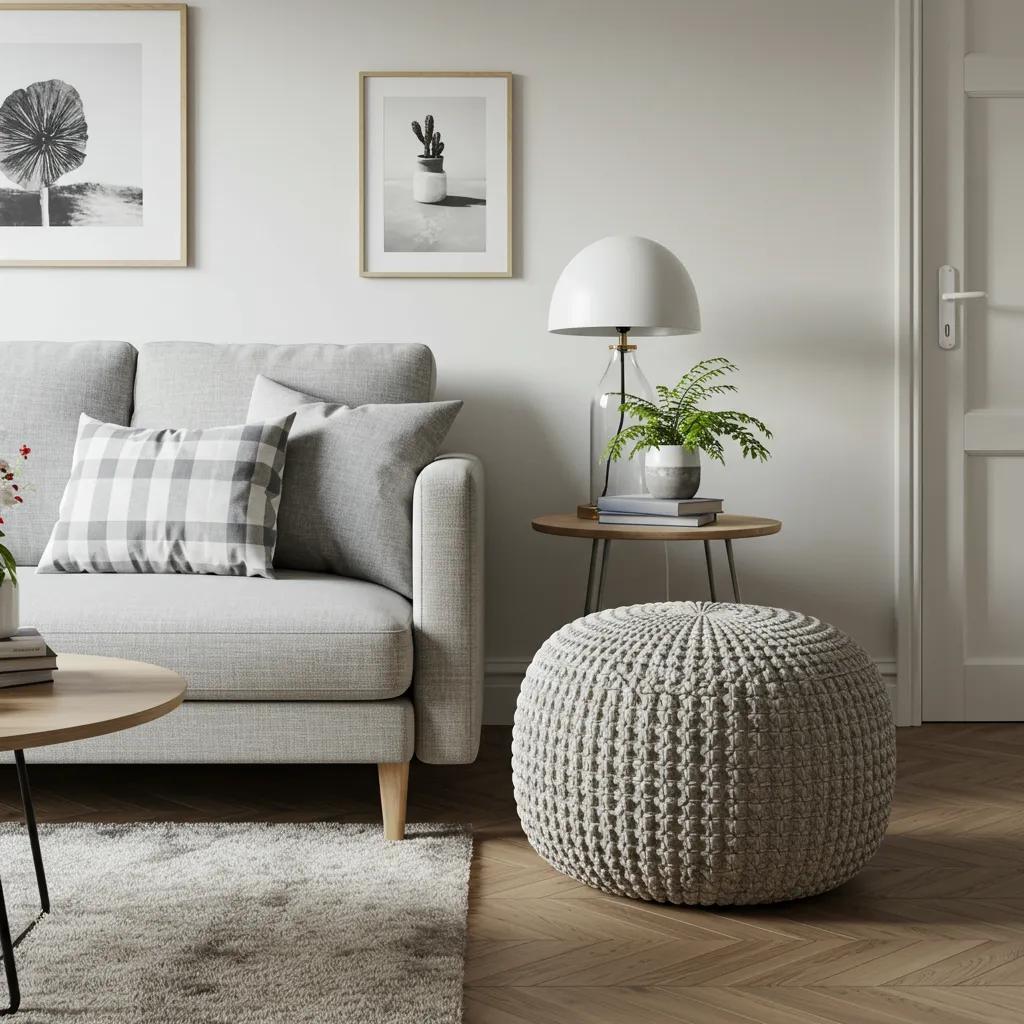
Small living rooms demand pouffes that maximise function without crowding; choose compact diameters (40–50 cm) or low rectangular ottomans that tuck under coffee tables when not in use. Lightweight frames and materials with clear visual proportions—such as slim-legged pouffes or low-profile tufted pieces—help maintain sightlines, while soft, light-coloured upholstery opens the space. Use pouffes as portable seating during gatherings and slide them under console tables to free floor area, which preserves circulation and creates flexible seating clusters. A well-chosen pouffe can also act as a coffee-table substitute in a studio flat, especially when topped with a stable tray that protects the fabric.
How Can Pouffes Enhance Your Living Room and Bedroom Decor?
Pouffes enhance decor by providing texture, colour accent, and flexible function; in living rooms they serve as informal seating or footrests, and in bedrooms they act as bedside benches or dressing seats. Select fabrics that either contrast the main sofa or complement it tonally to create visual balance, and use pouffes to introduce seasonal colours without committing to large upholstery changes. For bedrooms, a low rectangular pouffe at the foot of the bed can add a tailored look while enabling practical tasks like dressing or luggage placement. Because pouffes are movable, they let you test different focal points—placing one near a reading lamp creates an intimate nook that changes the room’s rhythm.
Which Pouffe Materials and Colors Are Trending in Ireland 2025?
Velvet and boucle continue to lead stylistic trends in Irish interiors for 2025, thanks to their tactile richness and ability to register as both luxe and cosy under variable natural light. Earthy tones—sage green, terracotta, and muted ochres—pair with saturated jewel tones for accent pieces, while eco-conscious buyers favour neutral palettes and textured weaves for longevity and versatility. Bouclé’s sculptural texture makes pouffes stand out as statement pieces, whereas velvet offers depth and colour intensity that anchors living spaces. Consider how light exposure in your room will alter perceived colour and texture when selecting materials for long-term satisfaction.
How Do You Position a Pouffe for Maximum Comfort and Style?
Position a pouffe to respect circulation paths while supporting primary seating: align it within 30–45 cm of the main seat so it serves as a natural extension of the sofa or armchair without obstructing movement. For conversational groups, place two small pouffes opposite a low sofa to create symmetry and additional seating, and use area rugs to anchor the arrangement and define functional zones. In hallways and entryways, a narrow bench-style pouffe should sit parallel to the wall to keep walkways clear and offer immediate seating. Flexible placement—near windows for reading or beside media units for relaxation—ensures a pouffe contributes both comfort and compositional balance.
What Makes Custom Upholstered Furniture in Ireland Unique?
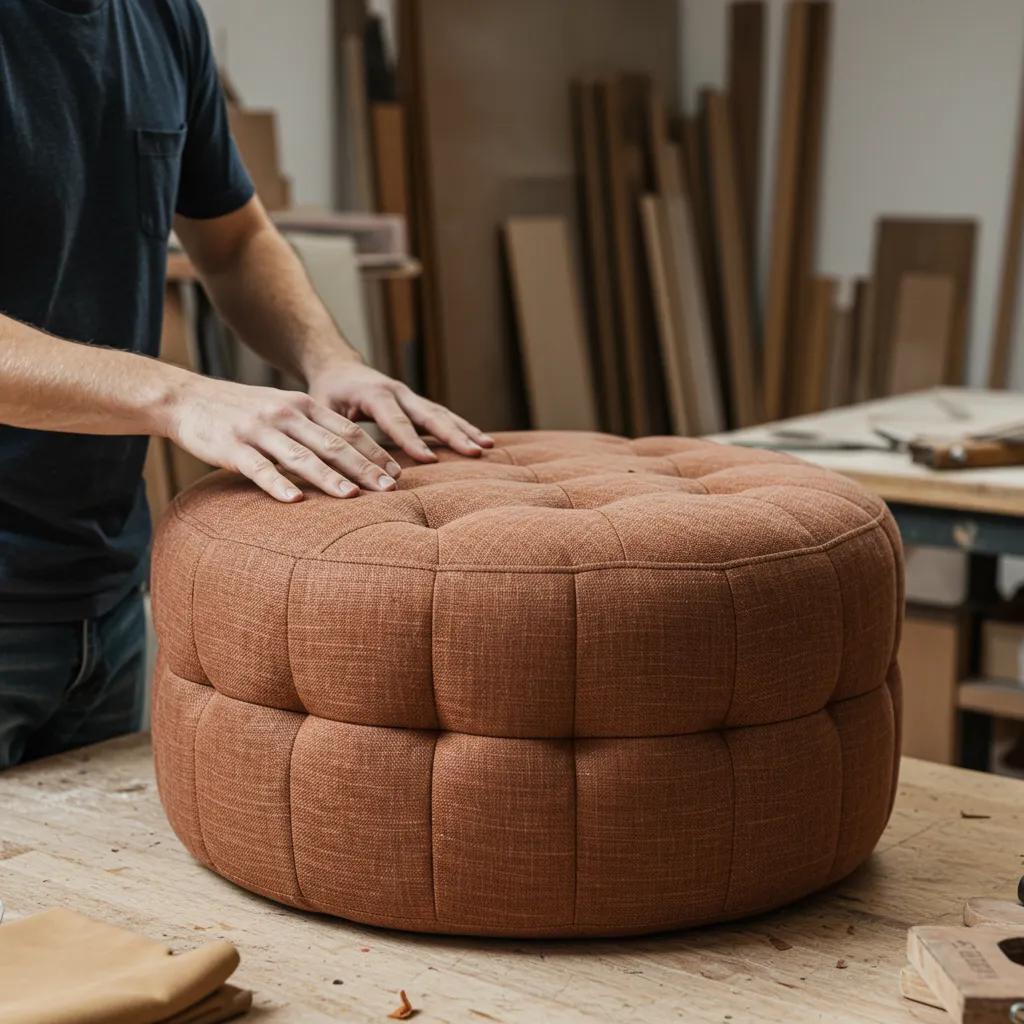
Custom upholstered furniture in Ireland is distinct because local makers combine handcraftsmanship, material selection, and adaptative sizing to suit the country’s varied interiors and climate. The mechanism of this value proposition is simple: bespoke pieces are designed to exact room dimensions and lifestyle needs, which improves longevity and reduces waste compared with off-the-shelf furniture. Buyers gain not only a tailored aesthetic but also practical benefits such as repairability and the option to select performance fabrics suited to family life and pets. The following subsection explains the typical customisation workflow and what customers can expect when commissioning a piece.
How Does the PouffeLOVE Customization Process Work from Design to Delivery?
PouffeLOVE follows a hands-on customisation workflow that begins with a consultation to establish size, function, and fabric preferences, then moves through material selection and detailed design approval before production. During the consultation phase customers choose upholstery fabrics, colours, and any special features—such as storage or removable covers—so the maker can align function with style. Production prioritises careful joinery and quality finishing, after which pieces undergo inspection and are prepared for delivery to the customer. This clear process shortens the decision pathway for those considering custom pouffes and benches, and it ensures transparency about timelines and options.
Which Upholstery Fabrics Offer the Best Durability and Style?
Selecting the right fabric balances durability, cleanability, and texture to match household usage and design goals, and understanding each material’s strengths helps avoid costly replacements. Below is a comparison table to help you scan common upholstery options and match them to room function and family needs.
This comparison highlights how velvet and boucle offer distinct aesthetic benefits while eco-leather often wins for practical family use, and knowing these trade-offs supports a confident material choice.
What Are the Benefits of Choosing Handcrafted Furniture for Irish Homes?
Handcrafted furniture offers superior joinery, repairability, and the ability to select materials that respond well to Irish humidity and light, which translates to longer service life and emotional attachment. Craftspeople typically apply careful quality-control during construction and finishing, which reduces the risk of structural failure and simplifies future repairs or reupholstery. Custom pieces also enable exact sizing for tight or unusually proportioned rooms, eliminating awkward gaps and improving functional flow. By choosing handcrafted options, homeowners invest in pieces that are easier to maintain and adapt over time, which supports a more sustainable consumption model.
How Can Custom Benches and Footstools Add Functionality to Your Space?
Custom benches and footstools expand functional use by combining seating with storage, tailoring height for specific uses, and fitting awkward or narrow spaces where mass-produced items fail to deliver. A storage bench in an entry hallway can hold scarves and boots while providing a stable seat for dressing, and a low rectangular footstool can double as a coffee table when topped with a tray for drinks. Custom sizing ensures these pieces serve a clear purpose without overcrowding the room, and special features like removable covers make them easier to clean. These practical benefits mean bespoke benches and footstools are often the highest-impact pieces in a compact home.
What Are the Latest Irish Home Decor Trends for 2025?
Irish home decor in 2025 emphasises texture-rich furniture, sustainable material choices, and a renewed interest in local makers who supply pieces that suit variable light and weather conditions. The trend mechanics combine consumer preference for tactile surfaces (bouclé, wool blends) with practical needs for easy-care fabrics and multifunctional pieces that reduce overall consumption. Local production influences style by enabling quicker adaptation of colours and finishes to regional tastes, while designers increasingly pair statement upholstery with pared-back room palettes for modern balance. Below are specific sustainable choices and seasonal styling notes relevant to Ireland’s homes.
Which Sustainable Furniture Choices Are Popular in Ireland?
Sustainable choices focus on renewable woods, eco-leather, and recycled-content textiles that lower lifecycle impacts while maintaining durability and style. Look for locally sourced timber and materials with transparent sourcing information to reduce transportation footprints and support circular design, and prioritise multifunctional furniture to decrease the number of pieces needed in a home. Selecting items designed for reupholstery or repair increases longevity and reduces waste, which is a growing priority among Irish buyers. These approaches help homeowners reconcile style aspirations with sustainability goals.
How Does Irish-Made Furniture Influence Modern Interior Design?
Irish-made furniture contributes to a distinct interior identity by incorporating regional materials, hand-finishing techniques, and responsive sizing that reflect local lifestyles and spatial norms. Shorter supply chains often allow makers to offer bespoke options and quicker iterations on colour or finish, which encourages buyers to commission rather than replace. The aesthetic influence of local craft also introduces subtle vernacular details—hand-stitched trims, unique joinery—that add character to modern schemes. This local focus supports a design language that values individuality and durability over fleeting mass-market trends.
What Seasonal Styling Ideas Suit Irish Homes Best?
Seasonal styling in Ireland balances warmth and breathability: autumn and winter favour warm textures like wool throws, velvet pouffes, and layered rugs for insulation and cosiness, while spring and summer benefit from lighter linens and washable covers for freshness. Use removable covers or neutral base fabrics with seasonal accent pouffes to switch palettes without large investments, and choose darker-toned performance fabrics for rooms exposed to damp or muddy footwear. Adaptive accessories—water-resistant mats at entrances, textured cushions for warmth—help interiors feel intentional year-round. Thoughtful layering makes modest homes feel resilient to seasonal changes.
How to Care for and Maintain Your Pouffes and Upholstered Furniture?
Material-aware care significantly extends an upholstered piece’s lifespan because appropriate cleaning and preventative measures reduce wear and preserve appearance. Daily habits—gentle vacuuming, rotating cushions, and prompt spill management—slow deterioration, while fabric-specific interventions address unique vulnerabilities like pile crushing or fibre pilling. Knowing when to perform deeper cleaning or seek professional restoration helps avoid irreversible damage, and the following sections give concrete steps for velvet, boucle, and eco-leather care. Start with gentle maintenance routines and progress to targeted solutions as needed.
What Are the Best Practices for Cleaning Velvet and Boucle Pouffes?
Velvet and boucle require careful surface maintenance because their textures can crush or snag if treated roughly; regular light vacuuming with an upholstery brush and gentle patting for spills preserves pile and loft. For spot stains, dab excess liquid immediately with a clean cloth and use a specialist upholstery cleaner recommended for delicate pile fabrics, testing in an inconspicuous area first. Avoid aggressive scrubbing and high-heat drying, which can distort fibre structure, and consider professional deep-cleaning for persistent or large stains. Following these steps reduces the need for reupholstery and keeps textured fabrics visually vibrant.
How Do You Protect Eco-Leather Furniture from Wear and Tear?
Eco-leather benefits from simple wipe-clean maintenance and occasional conditioning with a product suitable for synthetic or plant-based leathers to prevent drying and surface cracking. Clean spills quickly with a damp cloth, avoid abrasive cleaners and direct heat sources, and keep pieces away from prolonged sunlight that can accelerate fading or stiffening. For high-use areas, place protective covers or rotate pieces to distribute wear evenly, and inspect seams and stitching regularly to catch minor repairs early. Proper care ensures eco-leather retains its leather-like appearance while offering practical longevity in family homes.
When and How Should You Restore Handcrafted Furniture?
Restoration becomes necessary when structural components show wear—wobbly joints, sagging frames—or when upholstery is beyond surface cleaning; timely intervention prevents further damage and preserves value. Minor repairs, such as tightening joints or replacing feet, can often be handled by local craft workshops, whereas reupholstery or refinishing should be scoped by a professional who understands original construction. When choosing restoration, weigh refinishing versus reupholstering based on the piece’s frame integrity and sentimental value; repair-focused approaches typically yield better sustainability outcomes. Addressing restoration early maintains functionality and extends the life of handcrafted pieces.
Why Choose PouffeLOVE for Handcrafted Footstools and Custom Furniture in Dublin?
PouffeLOVE combines handcrafted quality, extensive customisation options, and a clear focus on Irish-made furniture to deliver pieces designed for both style and longevity. The value comes from a maker-led approach where material selection, finish choices, and bespoke sizing are available to match specific room dimensions and lifestyle needs, helping homeowners avoid compromises inherent to mass-market furniture. Supporting local craftsmanship also shortens lead times and creates opportunities for repair and reupholstery, reinforcing sustainability and long-term use. Below are the specific factors that make PouffeLOVE a natural choice for those seeking custom pouffes and footstools.
What Sets PouffeLOVE’s Handcrafted Furniture Apart in Quality and Design?
PouffeLOVE emphasises careful construction and careful fabric selection so each piece balances aesthetic proportion with practical details like reinforced seams and tailored padding. Craftsmanship focuses on joinery and finishing that facilitate future repair while offering design-for-function options such as removable covers or storage features. Material choices prioritise durability and texture so a pouffe reads as intentional within a living room, bedroom, or hallway setting and coordinates well with sofas, coffee tables, and armchairs. This attention to both build and design produces versatile pieces that fit uniquely Irish interiors.
How Does Supporting Local Dublin Craftsmanship Benefit Your Home?
Choosing a local Dublin maker reduces transportation and lead-time uncertainties while giving you access to bespoke adaptations that fit awkward spaces or unique circulation patterns in older homes. Local craftsmanship enables more precise communication during the design phase, quicker revisions to finishes, and simpler logistics for repairs or reupholstery in the future. Emotionally, locally made pieces often carry a stronger connection to place and craft, which enhances the story and character of a home. These practical and cultural benefits make local commissioning attractive for homeowners seeking both form and function.
Where Can You See PouffeLOVE Furniture in Real Irish Homes?
PouffeLOVE features customer spotlights and styled galleries that show how handcrafted pouffes, benches, and footstools perform in diverse Irish interiors, demonstrating real-world scale, colour choices, and fabric behaviour. These project images help prospective buyers visualise how different shapes and materials—round pouffes, rectangular benches, storage ottomans—will integrate with sofas, beds, and coffee tables. Homeowners interested in submitting a space for a spotlight can prepare photos that highlight usage and room dimensions to aid selection and comparison. Seeing products in situ clarifies expectations and supports confident commissioning decisions.
What Are the Best Sustainable Furniture Options Available in Ireland?
Sustainable furniture choices in Ireland centre on renewable materials, repairable construction, and multifunctional designs that reduce the need for extra pieces and extend product lifespans. The rationale is that selecting materials with lower processing impacts and designs that favour reupholstery or repair leads to a smaller environmental footprint over time. Multi-use furniture—such as storage pouffes, convertible benches, and modular seating—reduces per-use environmental cost and supports a circular approach to interiors. The table below summarises common sustainable materials and their trade-offs.
How Do Natural Materials Like Wood and Bouclé Contribute to Sustainability?
Natural materials contribute to sustainability by offering renewable or long-lived options that can be repaired, refinished, or recycled at end of life, which reduces premature disposal. Wood frames built for repairability allow reupholstery rather than replacement, and bouclé’s durable weave extends usable life while requiring minimal chemical finishes. The trade-offs include maintenance needs—natural fibres may require more care—but the longevity and repairability gains often outweigh these costs. Choosing pieces with simple repair paths supports circular consumption.
What Makes Eco-Leather a Sustainable Upholstery Choice?
Eco-leather often involves fewer resource-intensive processes than conventional leather and provides a wipe-clean surface that lengthens the usable lifespan of upholstered furniture in family homes. When sourcing eco-leather, look for transparent composition statements and lower-impact tanning or plant-based coatings to ensure claimed benefits are real. Care and conditioning extend performance, and in many cases eco-leather’s durability makes it a practical sustainable choice for high-traffic rooms. Use eco-leather where you need leather-like performance without the full environmental cost of traditional leather.
How Can Multi-Functional Furniture Support Sustainable Living?
Multi-functional furniture reduces consumption by combining roles—storage pouffes replace separate chests, and convertible benches serve seating and surface needs—thereby lowering the total number of purchases required to fulfil household functions. Designing for adaptability, with removable covers and modular parts, encourages repair and reconfiguration rather than disposal. Calculating cost-per-use helps illustrate sustainability: a versatile pouffe that serves seating, storage, and occasional table functions will generally have a lower environmental cost than multiple single-use items. Prioritising durability and multifunctionality aligns design choices with long-term sustainability.
How to Choose the Perfect Pouffe or Ottoman for Your Irish Home?
Choosing the right pouffe involves a checklist of size, shape, material, function, and durability features; treating the decision like a mini brief ensures the piece serves both stylistic and practical goals. Begin by measuring intended placement, considering circulation space, and deciding whether the pouffe’s primary role is seating, footrest, storage, or a coffee-table substitute. Next, match material performance to household usage—eco-leather and bouclé for high durability, velvet for texture in lower-traffic areas—and confirm construction details like frame strength and removable covers. The short checklist below helps synthesise these choices into actionable steps.
A compact decision checklist for buying a pouffe:
- Measure your intended space and leave 30–45 cm circulation around seating.
- Choose shape by function: round for mobility, rectangular for coffee-table use, storage for multi-use.
- Match fabric to use-case: eco-leather for durability, velvet for depth, bouclé for texture.
- Confirm construction: solid frame, reinforced seams, removable or washable covers if needed.
What Sizes and Shapes Work Best for Different Rooms?
Room function determines size and shape: small living rooms benefit from round pouffes (35–50 cm diameter) that soften circulation, while rectangular ottomans (80–110 cm length) work well as coffee-table alternatives in larger living areas. For bedrooms, narrow benches (120–140 cm length, 35–45 cm height) at the foot of the bed serve dressing functions without blocking pathways, and entryway benches should remain under 40 cm depth to preserve hall flow. Keep proportions relative to primary seating—avoid pouffes that exceed half the sofa depth to maintain balance and usable floor space.
How to Match Pouffe Colors and Textures with Your Interior Palette?
Match colours using a simple rule: choose either tonal harmony—variants of your main palette—or deliberate contrast to create an accent point; complement textiles with rugs, cushions, or throws to integrate the pouffe. Texture layering is critical: pair smooth leather-like surfaces with nubbly bouclé or plush velvet to create tactile interest that performs under diverse lighting. Test swatches in the room at different times of day to gauge how natural light alters colour depth, and when in doubt choose neutral bases with removable accent covers for seasonal updates. These methods let you balance statement and cohesion.
What Features Should You Look for in a Durable Pouffe or Ottoman?
Durability features include a solid internal frame, high-quality foam or mixed-filling for shape retention, reinforced stitching, and practical options like removable covers or glides on feet to protect flooring. Check fabric rub counts or manufacturer durability claims when available, prioritise removable covers if you expect heavy use, and favour construction that permits future reupholstery to extend life. Ask about repairability and whether legs or feet are replaceable to avoid disposable outcomes. With these checks, you can select a pouffe that withstands daily use while remaining attractive.
This article has provided detailed styling guidance, material comparisons, sustainability considerations, care strategies, and practical buying checklists to help you choose and maintain pouffes, ottomans, and bespoke upholstered pieces tailored to Irish homes. The guidance integrates material science, spatial planning, and local craftsmanship to support choices that are stylish, durable, and sustainable.

