
Easy Upholstered Furniture Care Tips
Cleaning upholstered furniture doesn’t have to be stressful. With a few easy techniques and the right products, you can keep sofas, footstools and chairs looking fresh for years. This guide walks you through identifying fabric types, practical cleaning steps, stain removal tips, eco-friendly options and simple routines to protect your pieces. Learn the small habits that stop wear and stains from becoming big problems — and save you from premature replacements.
What Are the Different Upholstery Fabric Types and Their Cleaning Needs?
Different upholstery fabrics behave differently — some tolerate moisture and soap, others need dry care. Knowing the fibre and surface construction of your upholstery makes choosing the safest cleaning method straightforward. A quick identity check helps you avoid damage and get better results when you clean.
Choosing the right fabric isn’t just about looks; it affects how the furniture performs, how it feels to use, and how it ages.
Upholstery Fabric Types & Care Considerations
Upholstered furniture combines a frame with a top layer of fabric that people touch every day. Textile options vary by raw material and surface structure, and those differences influence a room’s atmosphere, how people sense the piece, and its functional qualities.
Upholstery fabrics as a design element in interior space and selection criterias, T Levent, 2016
How to Identify Common Upholstery Fabrics Like Velvet and Microfiber?
Spotting the right fabric helps you pick the safest cleaning approach. Here are a few common types and what to know about them:
- Velvet: Soft and plush — a luxury look. Often made from natural or synthetic fibres, velvet can show water marks, so it’s usually best cleaned with a dry-cleaning solvent or by a professional.
- Microfiber: A synthetic option that’s durable and good at resisting stains. Most microfiber cleans well with a damp cloth and mild soap — just blot rather than scrub.
- Leather: Not a textile but a common upholstery choice. Wipe with a damp cloth and a dedicated leather cleaner; condition regularly and avoid excess moisture.
Knowing these features will help you match cleaning products and methods to the fabric you have.
Which Cleaning Methods Are Safe for Each Fabric Type?
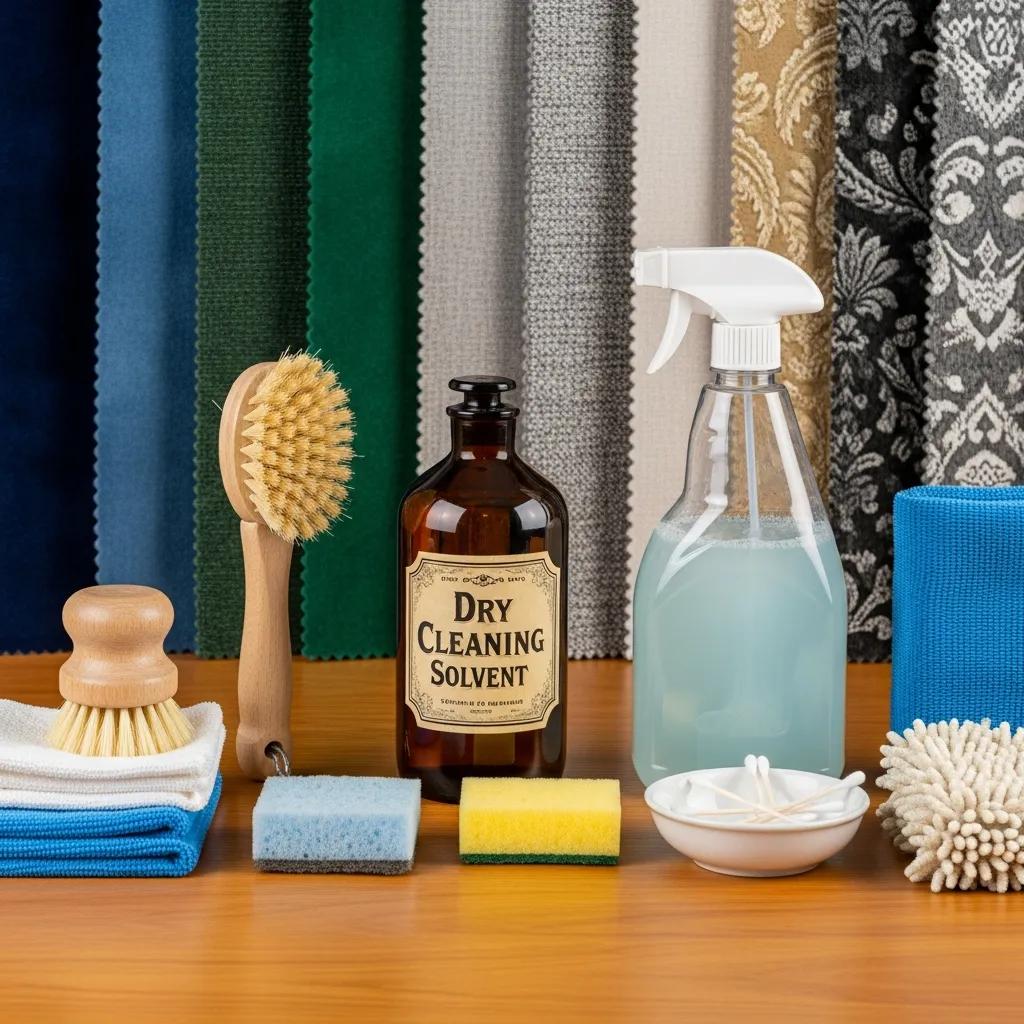
Use fabric-appropriate methods to avoid marks or shrinkage. Below are safe, practical approaches for common upholstery:
- For Velvet: Use a dry-cleaning solvent or call a pro. Gently lift dirt with a soft brush — avoid water-based cleaners to prevent spotting.
- For Microfiber: Clean with a mild soap-and-water mix. Blot stains with a damp cloth and let the fabric dry naturally — don’t soak the material.
- For Leather: Wipe with a damp cloth and a specialist leather cleaner, then apply a conditioner as recommended to keep the leather supple.
Following these care notes will help your upholstery look and perform better over time.
What Are the Step-by-Step Methods for Safe Upholstery Cleaning?
Cleaning upholstered pieces is easier when you follow a simple routine. Work methodically and test first to protect the fabric.
How to Prepare and Test Cleaning Solutions on Upholstered Furniture?
Always test cleaners before full use. Here’s a quick checklist:
- Choose a cleaning solution: Pick a cleaner recommended for your fabric.
- Dilute if needed: Follow label instructions for concentrates.
- Test discreetly: Apply a little solution to an inside seam or under the cushion and wait a few minutes to watch for colour loss or damage.
Testing first prevents surprises and keeps your upholstery safe.
What Are the Best Practices for General Upholstery Cleaning?
Small, regular actions keep upholstery in good shape. Try these habits:
- Regular dusting: Vacuum weekly with an upholstery attachment or use a soft brush to remove dust and crumbs.
- Spot cleaning: Blot spills immediately with a damp cloth — don’t rub, which can spread or set the stain.
- Avoid direct sunlight: Keep furniture out of harsh sun to prevent fading and fabric breakdown.
- Professional cleaning: For deep refreshes, consider a professional service — especially for delicate fabrics or set-in stains.
Consistent care keeps your pieces looking fresh and extends their life.
How Can You Effectively Remove Common Stains from Upholstered Furniture?
Stains happen. The right technique for the right stain often makes the difference between removal and a permanent mark.
What Are Safe Techniques for Removing Pet Stains and Grease?
Try these safe, targeted fixes:
- Pet stains: Blot the area, then use a 50/50 mix of white vinegar and water to lift residue. Repeat blotting with a clean cloth until the spot lightens. For lingering odours, use an enzymatic cleaner formulated for pet stains.
- Grease stains: Dust baking soda or cornstarch onto the stain to absorb oil, leave for around 15 minutes, then vacuum. Follow with a mild soap-and-water wipe if needed.
These approaches are gentle and effective on most fabrics when tested first.
Can Natural Solutions Like Vinegar and Baking Soda Be Used Safely?
Yes — simple household ingredients often do the job without harsh chemicals. A few safe uses:
- Vinegar: Mix equal parts white vinegar and water in a spray bottle. Lightly mist a stained area and blot with a clean cloth.
- Baking soda: Sprinkle it over odours or fresh stains, leave a few hours, then vacuum to remove smell and grime.
Always test natural solutions on an inconspicuous spot first to make sure they’re suitable for your fabric.
Which Eco-Friendly and Safe Cleaning Products Are Recommended for Upholstery?
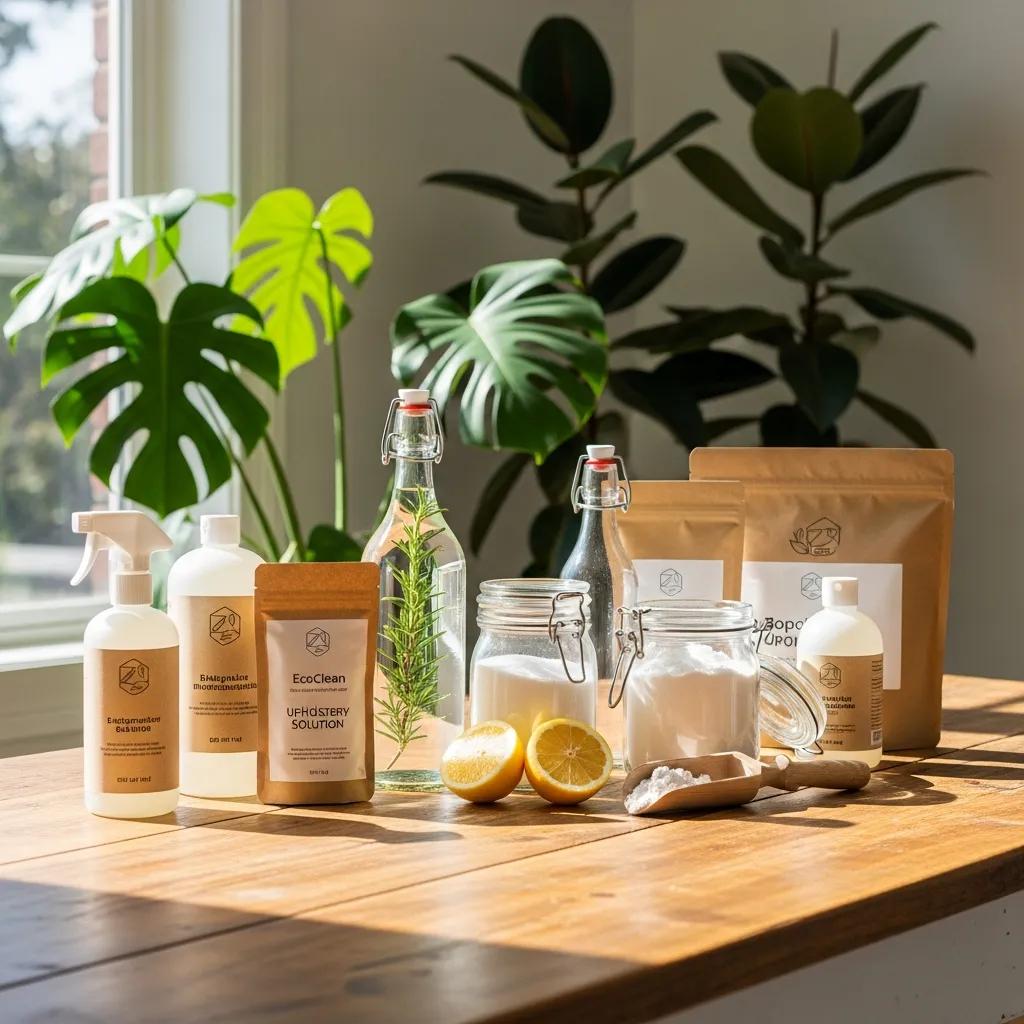
Choosing greener cleaners protects your home and the environment without sacrificing results. Look for gentle, biodegradable options that are labelled safe for upholstery.
What Are the Benefits of Using Eco-Friendly Upholstery Cleaners?
Eco-friendly options bring practical benefits:
- Healthier indoor air: Fewer harsh chemicals mean less odour and better air quality in your home.
- Biodegradable ingredients: They break down more easily, reducing environmental impact.
- Safer around kids and pets: Non-toxic formulas lower the risk of irritation or accidental exposure.
Switching to these products keeps your home cleaner and kinder to the planet.
How to Choose and Use Fabric Protectors to Extend Furniture Life?
A good fabric protector adds a useful layer of defence. Use it like this:
- Select the right protector: Match the product to your fabric type.
- Clean first: Apply only to clean, dry upholstery.
- Spray evenly: Follow the manufacturer’s instructions and cover surfaces consistently.
Applied correctly, a protector helps repel spills and makes everyday cleaning easier.
How Should You Maintain and Protect Upholstered Furniture for Long-Term Care?
Long-term care is about simple, repeatable habits that prevent damage and keep pieces comfortable and attractive.
What Regular Maintenance Practices Keep Upholstery Looking New?
Stick to these routines:
- Regular dusting: Remove dust weekly to stop dirt grinding into fibres.
- Spot cleaning: Tackle spills right away with blotting to reduce staining.
- Avoid direct sunlight: Move or shade furniture to prevent fade and wear.
- Professional cleaning: Aim for a deep clean every 1–2 years, more often in busy households.
These small efforts add up to big savings in lifespan and appearance.
How to Link PouffeLOVE Handcrafted Furniture Care with Cleaning Best Practices?
Caring for your PouffeLOVE pieces is simple when you follow these cozy, practical steps:
- Regular dusting: Gently dust footstools to keep fabrics fresh and avoid grit buildup.
- Spot cleaning: Blot spills straight away with a damp cloth — quick action prevents lasting marks.
- Avoid direct sunlight: Keep footstools out of strong sun to protect colour and fabric finish.
- Professional cleaning: For a deep clean, consult a pro so handcrafted details and materials are preserved.
- Material-specific care: Know the materials in your footstool — from quality fabrics to eco-friendly fillings — and follow any care notes we include with your piece.
Follow these simple habits and your PouffeLOVE footstools will stay comfortable and beautiful for years.
Frequently Asked Questions
What should I do if I accidentally use the wrong cleaning solution on my upholstery?
Stop using the product right away. Blot up as much of the solution as possible with a clean, dry cloth. If the fabric tolerates water, rinse the area gently with a damp cloth to remove residue, then blot dry. If you see fading or damage, pause and get advice from a professional cleaner to avoid making it worse.
How often should I have my upholstered furniture professionally cleaned?
Generally, plan for a professional clean every 1–2 years. If you have pets, small children, or heavy use, more frequent cleanings can help keep fabrics fresh and extend their life. Follow any manufacturer guidance for your specific upholstery.
Can I use a steam cleaner on my upholstered furniture?
Maybe — check the fabric care label first. Some materials (like velvet or certain synthetics) can be sensitive to heat and moisture. If the label permits steam cleaning, use the correct attachment and a low setting, and always test a hidden spot first. When in doubt, hire a professional experienced with steam cleaning upholstery.
What are the signs that my upholstery needs cleaning?
Look for visible stains, a dull or grubby look, unpleasant odours, or an increase in dust and allergens. High-traffic seats often show wear first — when they start to look tired, a clean will usually refresh both appearance and comfort.
Are there any specific products I should avoid when cleaning upholstery?
Avoid bleach, ammonia-based cleaners and harsh chemical solvents that can strip colour or damage fibres. Stay away from products not designed for upholstery, as residues can attract dirt or cause discolouration. If unsure, choose gentle, fabric-safe cleaners or test on a hidden area first.
How can I protect my upholstery from future stains?
Apply a fabric protector suited to your material, vacuum and dust regularly, and tend to spills immediately by blotting rather than rubbing. Keeping furniture out of direct sun and using throws or covers in busy spots will also help prevent wear and stains.
Conclusion
Good upholstery care is mostly about small, consistent actions: know your fabric, test cleaners, deal with spills quickly, and choose gentle, eco-friendly products where possible. Those habits preserve appearance, comfort and value — and save you the hassle of early replacements. For more tips, products and advice tailored to PouffeLOVE pieces, explore our care resources and reach out if you need a hand.

