
How to Choose the Best Upholstered Wooden Armchairs for Comfort and Durability
Choosing an upholstered wooden armchair means balancing materials, ergonomics, construction, and maintenance to get the comfort and longevity you need. This guide explains how wood species, upholstery fabrics, joinery, spring systems, and ergonomic features each affect daily comfort, wear resistance, and long-term value so you can compare options confidently. Many buyers struggle to interpret product descriptions and specification sheets; this article translates technical attributes into practical buying criteria to save time and avoid costly mistakes. You will learn which woods like solid oak or beech suit heavy use, how fabric choices change cleaning needs and feel, which construction features predict long service life, and which ergonomic measurements matter for posture and relaxation. The sections map directly to the decisions you’ll make when shopping: wood selection, upholstery trade-offs, ergonomic checklists, construction quality indicators, and current style trends for 2025. Throughout, the guide uses clear comparisons, tables, and checklists so you can match an armchair to your lifestyle, room, and maintenance tolerance.
What Are the Best Wood Types for Upholstered Wooden Armchair Frames?
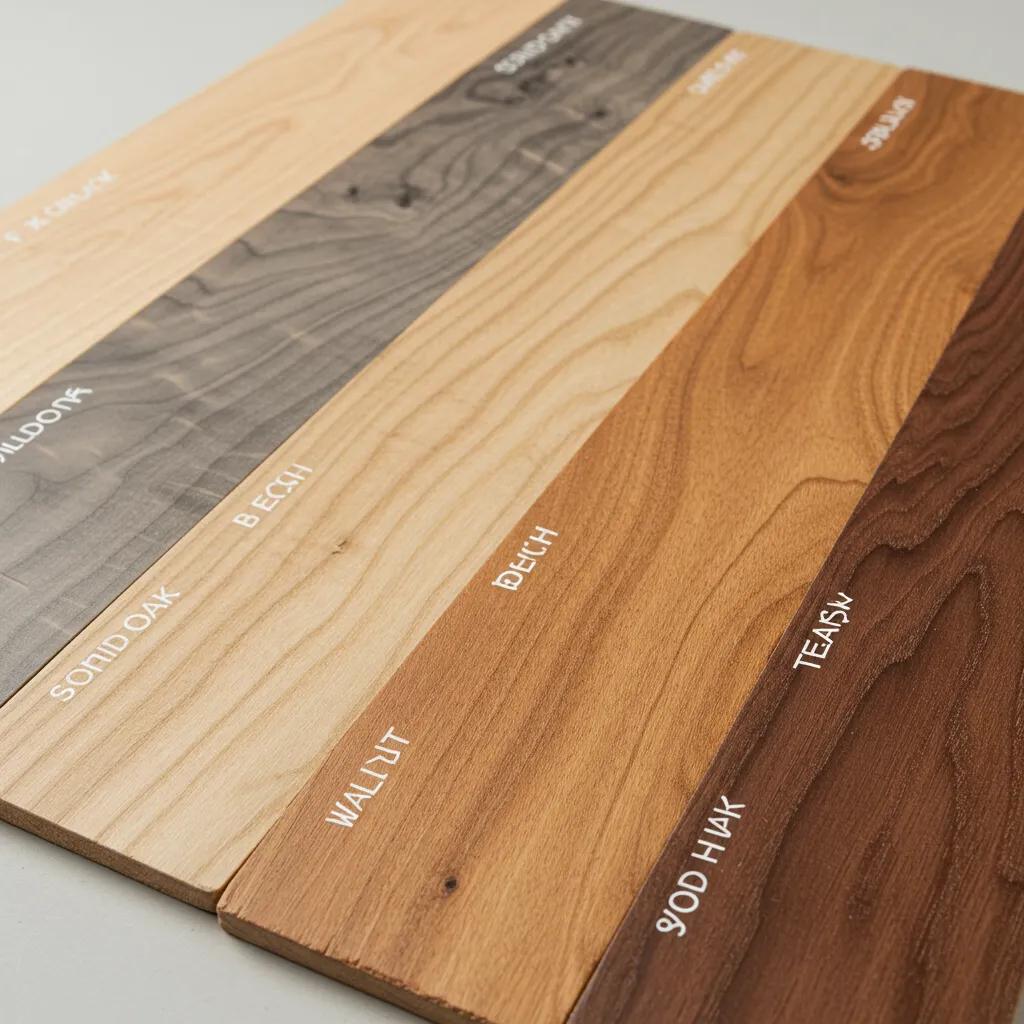
The strongest and most reliable armchair frames use dense hardwoods because density and stable grain reduce deformation and increase joint strength. Solid oak and beech are top choices: oak offers high density and pronounced grain for durability and visible frames, while beech provides excellent shock resistance and clean finishing for sculpted or bentwood designs. Choosing between them depends on use-case: heavy daily seating benefits from oak’s longevity, whereas beech suits detailed shapes and mid-weight use with a lower visible grain. The following compact comparison helps prioritize durability, appearance, and maintenance when selecting a frame material and introduces practical finishing recommendations for indoor upholstered seating.
Different woods offer distinct trade-offs for frame-makers and buyers:
This table clarifies that oak and beech are practical defaults for upholstered armchairs; walnut and teak are chosen for specific aesthetic or environmental needs. Next, explore why solid oak in particular is prized for durable wooden armchairs.
Why Is Solid Oak Ideal for Durable Wooden Armchairs?
Solid oak is prized because its high density and interlocked grain resist compression and wear, making it a reliable structural element in frames. Oak’s natural hardness supports long-lasting mortise-and-tenon joints and helps maintain seat geometry under frequent use, which directly improves longevity and consistent comfort. Visually, oak accepts a wide range of finishes from clear oils to darker stains, allowing visible-frame armchairs to suit many interiors while still tolerating household wear. Understanding oak’s strengths helps buyers decide when to prioritize long-term durability over initial cost.
How Does Beech Wood Compare for Strength and Versatility?
Beech wood offers excellent shock resistance and workability, which makes it a preferred choice for bentwood components, finely shaped armrests, and frames requiring tight curvature. Although slightly less dense than oak, beech delivers stable support and a smooth surface for paints or clear finishes, giving designers flexibility without sacrificing structural integrity. For buyers seeking sculpted or mid-century silhouettes with concealed frames, beech often presents better value while still providing robust daily performance. Assess beech when frame complexity and shaped elements are primary concerns.
What Other Wood Options Are Popular for Armchair Frames?
Walnut, maple, and teak appear frequently when appearance or environmental resistance outweighs cost considerations, each bringing distinct trade-offs in color, density, and maintenance. Walnut offers a warm, dark aesthetic for luxury visible frames but needs careful care to avoid scratches; maple provides pale tones and consistent grain for painted or light-stained pieces; teak’s natural oils make it weather-resistant for semi-outdoor use but at higher price. Consider supply chain and sustainability when selecting less common woods, and prioritize kiln-dried, well-graded lumber to reduce future movement or cracking.
For shoppers who prefer direct sourcing and custom finishes, keep in mind that some e-commerce sellers and makers list solid oak and beech framed options with a range of finishes and customization choices. This guidance is offered with the intention of trying to help customers to choose right product and to clarify when oak or beech will meet the demands of frequent use versus aesthetic priorities.
How Do Upholstery Fabrics Affect Comfort and Maintenance in Wooden Armchairs?
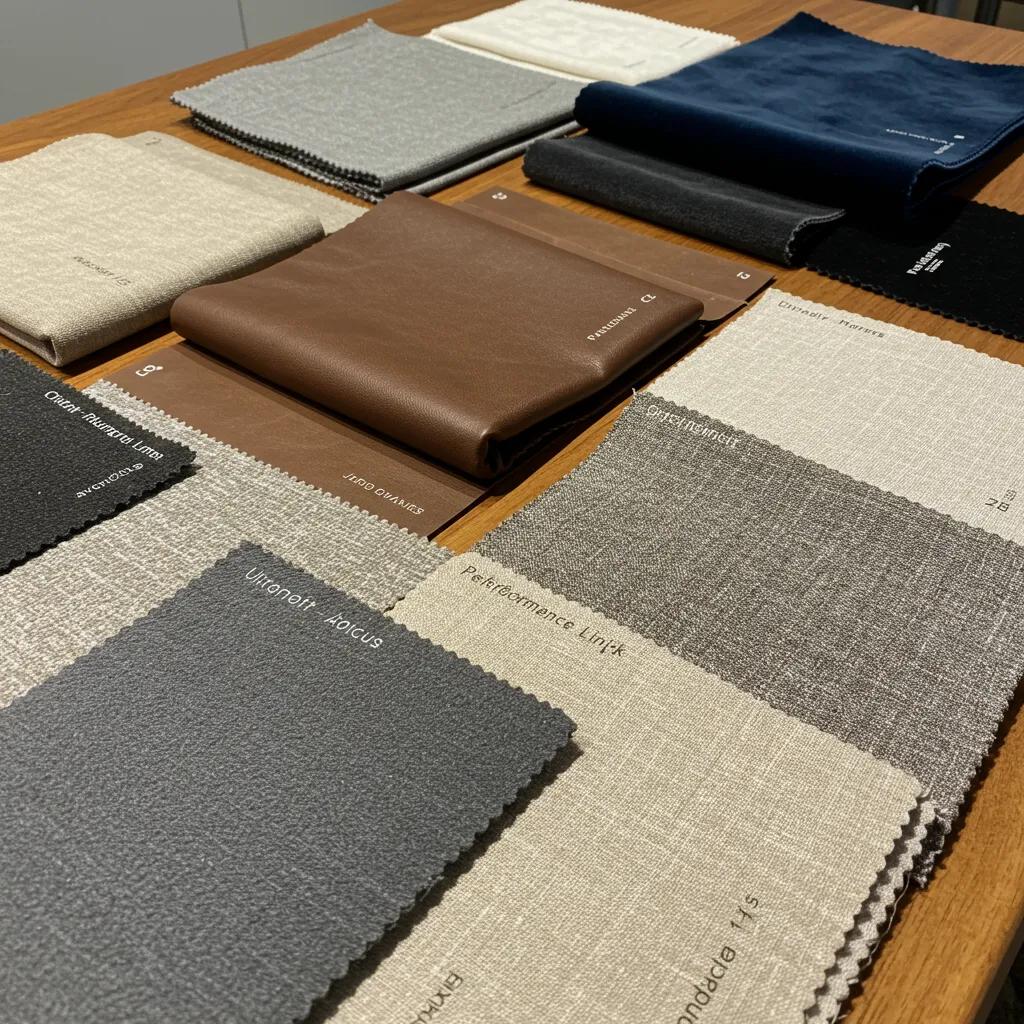
Upholstery fabric determines tactile comfort, visual texture, and how easily a chair survives stains and abrasion, so fabric choice directly affects daily user experience and long-term upkeep. Natural fabrics like linen and wool offer breathability and a warm hand, while leather and performance synthetics give wipe-clean surfaces and higher abrasion resistance for busy households. Weight, weave, and abrasion ratings (e.g., Martindale or double-rub figures) predict longevity; higher ratings suit family or hospitality use, while delicate fabrics fit low-traffic decorative chairs. Below is a compact table comparing typical upholstery fabric categories to help match feel, cleaning needs, and durability to intended use.
This table shows how fabric selection balances comfort and maintenance. Understanding these trade-offs leads into a practical comparison between leather and fabric choices.
What Are the Pros and Cons of Leather vs. Fabric Upholstery?
Leather provides a durable, wipeable surface that develops a characteristic patina and is generally easy to maintain; its main drawbacks are temperature sensitivity and higher upfront cost. Fabric upholstery, including linen, velvet, and bouclé, offers diverse textures and colors and can feel warmer in cool weather, but many fabrics require more careful cleaning and may show wear faster under heavy use. Buyers should prioritize leather for households needing low-maintenance performance and fabrics for tactile variety and design flexibility, checking abrasion ratings and cleaning codes before purchase. Knowing when to choose each material simplifies the selection process for different lifestyles and rooms.
Which Performance Fabrics Offer Durability and Easy Cleaning?
Performance fabrics are engineered for stain resistance, repeatable cleaning, and high abrasion tolerance, often using specialized weaves or surface treatments to repel spills and resist pilling. Look for fabrics marketed with high abrasion ratings and explicit stain-resistant care instructions; these perform well in family rooms, pet environments, and light commercial spaces. Practical cleaning methods usually involve gentle blotting, manufacturer-recommended solvents, and professional cleaning for persistent stains, so confirm cleaning codes before committing. Prioritize performance fabrics when durability and low maintenance are essential factors in your buying decision.
How Does Professional Upholstery Enhance Armchair Quality?
Professional upholstery improves fit, finish, and material longevity by ensuring tailored seams, correct tension, and durable attachment methods that preserve cushioning geometry and appearance. Re-upholstery allows replacement of worn fillings and springs, restoring comfort and extending lifespan in a way that replacement chairs often cannot match economically. Signs of quality upholstery include consistent stitch lines, piping, reinforced seams, and removable covers where appropriate, which also ease cleaning and repair. When evaluating a purchase or deciding on re-upholstery, weigh the long-term value of professional craftsmanship against the cost of new furniture.
This section focuses on fabric performance and care while selectively noting that bespoke upholstery services and professional options are available through some e-commerce remakers and workshop partners as part of efforts described when trying to help customers to choose right product. These services can be particularly useful when matching a fabric’s cleaning code to lifestyle needs.
What Ergonomic Features Should You Look for in an Upholstered Wooden Armchair?
Ergonomic armchairs combine correctly proportioned seat depth, lumbar support, and armrest height to promote relaxed posture and reduce pressure points during extended sitting. Good ergonomic design aligns the lumbar curve with the lower spine, provides sufficient seat depth so thighs are supported without losing back contact, and positions armrests to reduce shoulder elevation; together these elements improve comfort and reduce fatigue. Buyers can measure seat depth, seat height, and armrest height against simple body-based ranges to assess fit before purchase. The checklist below summarizes the most important ergonomic features to test in product listings or in-store.
Key ergonomic features to evaluate before buying:
- Lumbar Support: Integrated or contoured lower-back support to maintain natural spinal curve.
- Seat Depth: Enough thigh support without gap behind the knee; generally 16–20 inches depending on body size.
- Backrest Angle: Slight recline (100–110°) for relaxed seating and pressure distribution.
- Armrest Height: Supports forearms without raising the shoulders, typically 7–9 inches above seat.
Use these criteria to prioritize chairs that match your body and use-case. Testing a chair against these ergonomic points clarifies whether a model suits everyday lounging or occasional use, and it naturally leads into details about adjustability and how seat depth and armrest angles improve comfort.
Why Is Lumbar Support Important in Wooden Armchairs?
Lumbar support maintains the natural inward curve of the lower spine, distributing load and reducing muscle strain during prolonged sitting; without it, people tend to slouch and develop discomfort. In upholstered wooden armchairs, integrated lumbar shapes or add-on cushions both improve alignment and can be selected based on the chair’s intended primary use. Buyers should look for clear photos and descriptions that show back curvature relative to seat depth and test or measure where the lumbar contact occurs compared to their own lower back. Simple corrective measures such as a removable lumbar cushion can remedy minor deficiencies and improve long-seat comfort without changing the chair.
How Do Adjustable Seat Depth and Armrest Angles Improve Comfort?
Adjustable seat depth allows the same chair to fit a wider range of leg lengths by ensuring the backrest supports the lumbar while the seat supports the thighs, preventing pressure at the knee. Armrest angle and height affect shoulder and neck tension by controlling where the arms rest during reading or TV watching; well-positioned armrests reduce upper-body strain and promote relaxation. Even when a chair isn’t adjustable, buyers can test seat depth and armrest dimensions against their body measurements to approximate fit and predict long-term comfort. Confirming these dimensions in product listings or trying the chair in person avoids common ergonomic mismatches.
What Is the Ideal Posture Supported by Ergonomic Armchair Design?
The ideal relaxed seated posture is a supported spine with a slight lumbar curve, hips slightly higher than knees when appropriate, feet flat or supported, and shoulders relaxed with elbows near the body. Design features that promote this posture include a moderately reclined backrest, supportive lumbar contour, correct seat depth, and armrests that allow the arms to rest without lifting the shoulders. Buyers can check product specifications and images for indications of these features and use simple posture checks at home—such as placing a rolled towel at the lumbar—to simulate support if the chair lacks built-in contours. Prioritizing these ergonomic traits helps ensure an armchair is comfortable for long periods and reduces the need for aftermarket cushions.
How Does Construction Quality Impact the Longevity of Upholstered Wooden Armchairs?
Construction quality determines whether a chair remains comfortable and serviceable over years; strong joinery, solid hardwood frames, and durable internal support systems all extend lifespan. Key indicators of quality include exposed or documented mortise-and-tenon joinery, kiln-dried hardwood frames, robust spring systems, and high-resilience cushion fillings that retain loft. Below is a comparison table of construction features and how they affect expected lifespan, repairability, and comfort so you can interpret spec sheets and product photos effectively.
This comparison helps buyers favor listings that disclose joinery and spring systems. With these technical signals in mind, practical quality checks and a short buying checklist below make selection straightforward.
Before finalizing a purchase, use this buyer checklist:
- Check for explicit frame material and joinery details in the description.
- Look for documented spring systems or cushion densities.
- Verify visible reinforcement such as corner blocks and glued joints.
These checks help surface durable models and reduce surprises after delivery. For those unfamiliar with specification jargon, remember that reliable sellers often list construction details clearly to aid comparison, and offering this clarity is part of the approach when trying to help customers to choose right product.
What Joinery Techniques Ensure Strong Wooden Armchair Frames?
Mortise-and-tenon joinery ranks highest for frame strength because interlocking components resist shear and twisting forces that develop under repetitive sitting. Dowel joints are common and economical but deliver moderate long-term strength compared with interlocked joints, while glued blocks supplement both approaches for improved rigidity. Buyers should look for product descriptions that mention joinery types or for visible evidence in photos—reinforced corners, exposed tenons, or robust corner blocks indicate quality construction. Prioritizing interlocked joinery in product searches reduces the likelihood of frame loosening and extends the chair’s useful life.
Mortise and Tenon Joint Strength: Shape and Dimensions Matter
The results showed that rectangular end mortise and tenons are about 15% stronger than both round end mortise and tenons and rectangular end tenons fitting into round end mortise joints. Meanwhile, joint geometry has a significant effect on the strength of those particular joints. As tenon width and length were increased, the strength of the joint was correspondingly improved. The type of mortise and teno
How Do Spring Systems and Cushion Fillings Affect Comfort?
Spring systems determine foundational support: sinuous springs provide firm, even support ideal for many modern frames, while 8-way hand-tied springs yield a softer, contouring sit prized in traditional upholstery for long-term comfort. Cushion fillings—ranging from high-resilience foams to down-wrapped cores—control immediate feel and recovery; higher-density foams retain shape longer, while feather blends offer plushness at the cost of periodic plumping. Match spring and filling choices to expected use: heavy daily seating benefits from firmer, higher-resilience systems, whereas occasional lounge chairs can prioritize softer filling for a luxurious hand. Understanding these interiors informs realistic expectations about comfort and maintenance.
What Are Key Quality Indicators for Long-Lasting Armchairs?
Visible quality indicators include a confirmed solid hardwood frame, stated joinery type (mortise-and-tenon preferred), detailed spring and cushion specifications, and close-up photos of seams and finishes that show even workmanship. Warranties and documented materials add confidence; a clear listing that specifies frame species, finishing process, and cushion densities is a strong signal of transparency. When photos or specifications are lacking, ask sellers for clarification or choose listings that provide construction photos and detailed measurements. Using these practical checks filters out poorly built products and helps you invest in an armchair that maintains comfort and structure for years.
Which Styles of Upholstered Wooden Armchairs Are Trending in 2025?
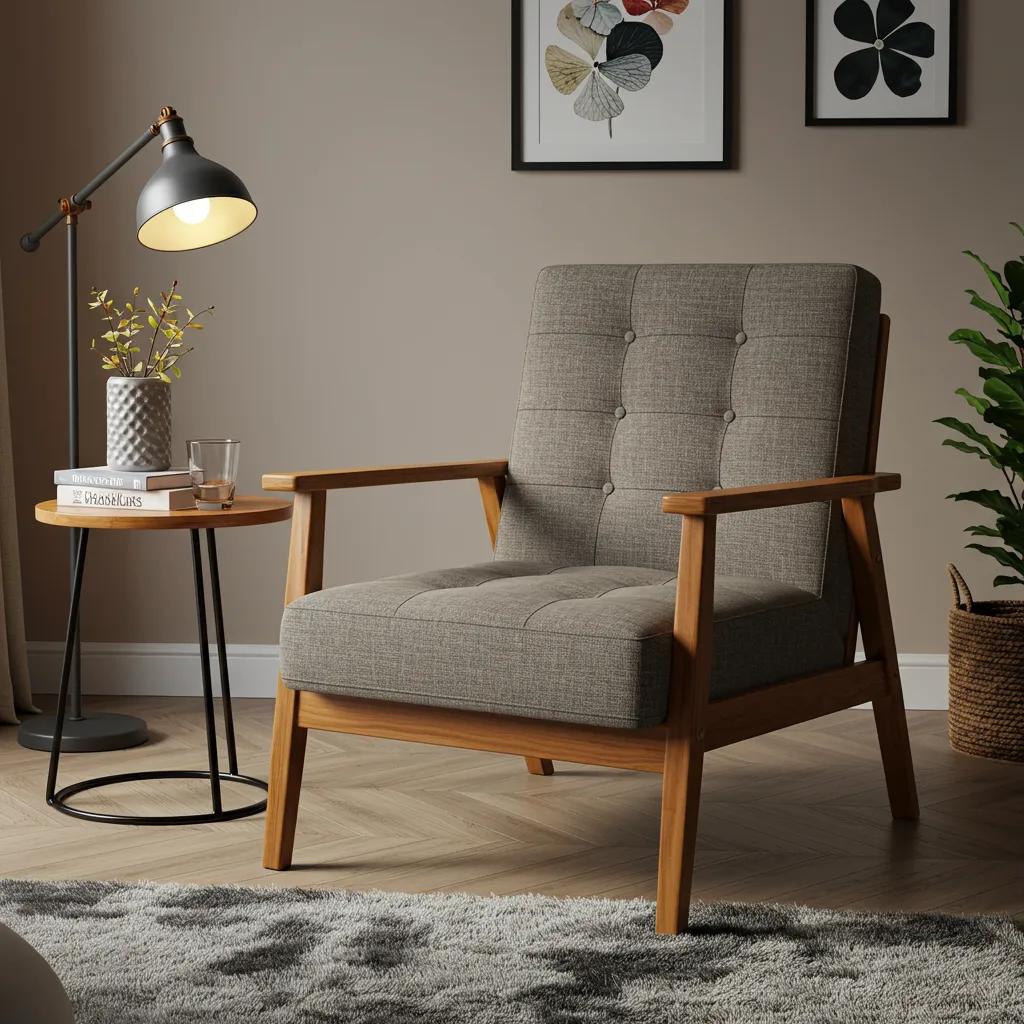
Style influences both material choices and practical durability: trending designs pair specific woods and fabrics to create cohesive looks while also affecting how visible the frame is and how fabrics wear. In 2025 the dominant trends include renewed interest in mid-century modern clean lines, tactile bouclé and velvet accents, and Scandinavian palettes that favor light oak and linen. Selecting a style should reflect room scale, desired maintenance level, and how prominent you want the wood frame to appear; the short list below defines each trend and its typical material pairings.
- Mid-Century Modern: Clean lines, tapered legs; often light or walnut frames with smooth upholstery.
- Scandinavian: Minimal, warm light oak and neutral linen or wool blends for airy interiors.
- Vintage/Retro: Rich woods like walnut with plush velvets or leather for character and patina.
- Contemporary: Mixed materials, bold forms, and performance fabrics for urban living.
What Defines Mid-Century Modern Upholstered Wood Armchairs?
Mid-century modern armchairs feature understated silhouettes, tapered legs, and often a visible wooden frame balanced with simple upholstery that highlights form over ornament. Typical pairings include light to medium oak or walnut frames with low-profile seats and modest cushioning that emphasize line and proportion. Buyers seeking this look should focus on modest seat depth and visible tapered legs in product images, and prefer fabrics that keep a slim, tailored appearance. For practical use, choose durable yet refined fabrics to preserve the design’s crisp aesthetic under regular use.
How to Choose Between Vintage, Scandinavian, and Contemporary Designs?
Match style to lifestyle: vintage and retro work well where character and patina are valued and maintenance routines accept leather or velvet care; Scandinavian designs suit bright, casual living with easy-to-clean linens or wool blends; contemporary designs favor performance fabrics and bolder silhouettes for urban needs. Consider room scale—Scandinavian minimalism fits smaller, light-filled spaces, while vintage pieces may require more visual space to balance heavy tones. Blend styles thoughtfully by echoing wood tones or repeating upholstery textures to avoid visual clash and create a coherent interior.
How Do Style Choices Influence Upholstery and Wood Selection?
Style dictates whether the frame is feature or hidden, which then influences material choices: a visible walnut frame invites luxe velvets or leathers, while a concealed frame supports neutral linen and softer, fuller upholstery. Durable fabrics and sturdy finishes are advisable for high-use settings regardless of style, whereas low-traffic accent chairs can prioritize delicate textiles for visual effect. Balancing aesthetics and durability means selecting finishes and fabrics that meet both the stylistic brief and the practical demands of your household.

