
Artistic Furniture Design in Ireland: Exploring Unique Handcrafted and Sculptural Creations
Artistic furniture blends sculptural intent with practical function to create pieces that inform how a room feels and performs, offering both aesthetic distinction and daily utility. In Ireland, artistic furniture design reflects local craft traditions, material stories and contemporary silhouettes that transform homes and workplaces into curated spaces with personality. This article explains what defines artistic and sculptural furniture, how handcrafted methods raise quality and longevity, why customization matters for fit and expression, and practical ways to style statement pieces in Irish interiors. Readers will learn concrete craftsmanship techniques, sustainable material choices, a step-by-step bespoke process, and where to discover or commission pieces locally. Along the way we use examples of pouffes, sculptural tables and seating archetypes to clarify design vocabulary and to show how artisans translate concept into object. The guidance balances design theory with actionable buying and styling advice so you can recognise, select, and live with artistic furniture in a confident, durable way.
What Defines Artistic Furniture Design and Its Impact in Ireland?
Artistic furniture is furniture whose primary intent is to combine utility with artistic expression, where form, silhouette and material storytelling shape both visual impact and function. This approach works by privileging sculptural geometry, unexpected proportion and tactile surfaces so that each piece acts as a focal element while still fulfilling everyday needs. In Ireland, this design mindset matters because local craft traditions and sustainable material sourcing amplify the cultural resonance of pieces, allowing homes to reflect both contemporary taste and regional craft. Examples such as velvet pouffes with curved profiles or coffee tables whose bases read as sculpture illustrate how artistic furniture creates conversation and anchors a room. To understand how form-driven objects break conventions, we next examine the ways artistic furniture departs from traditional design norms and why those departures matter in lived interiors.
How Does Artistic Furniture Break Traditional Design Boundaries?
Artistic furniture breaks from traditional design by prioritising silhouette and gesture over predictable rectilinear shapes and standardized proportions, allowing designers to explore negative space and asymmetric balance. The mechanism is simple: by altering scale, contour and material contrasts, furniture becomes a visual landmark rather than a background object, commanding attention and redefining adjacent elements. This shift yields benefits such as visual dynamism, adaptability to contemporary aesthetics, and the ability to signal personal taste through singular pieces that read like art. For example, a rounded bubble pouffe functions as seating while its sculptural form becomes a punctuation mark in a living area, encouraging new circulation patterns and focal points. Understanding these departures sets up the next discussion about the signature traits that make sculptural furniture recognisable.
What Are the Key Characteristics of Sculptural Furniture Designs?
Sculptural furniture is defined by a set of recurring characteristics: organic or exaggerated curves, bold geometry, pronounced negative space, and an emphasis on material texture and finish that reinforces the form. These attributes work together—silhouette establishes presence, materials provide sensory appeal, and scale determines how loudly a piece speaks within a room. Typical meronyms include velvet upholstery, wooden frame, metal base and hand-stitched seams that reveal construction integrity while supporting sculptural expression. Recognising these features helps buyers evaluate whether a piece is truly sculptural or simply ornamental, and it prepares readers to identify statement pieces suitable for their spaces in Ireland.
How Does Handcrafted Quality Elevate Unique Furniture Pieces?
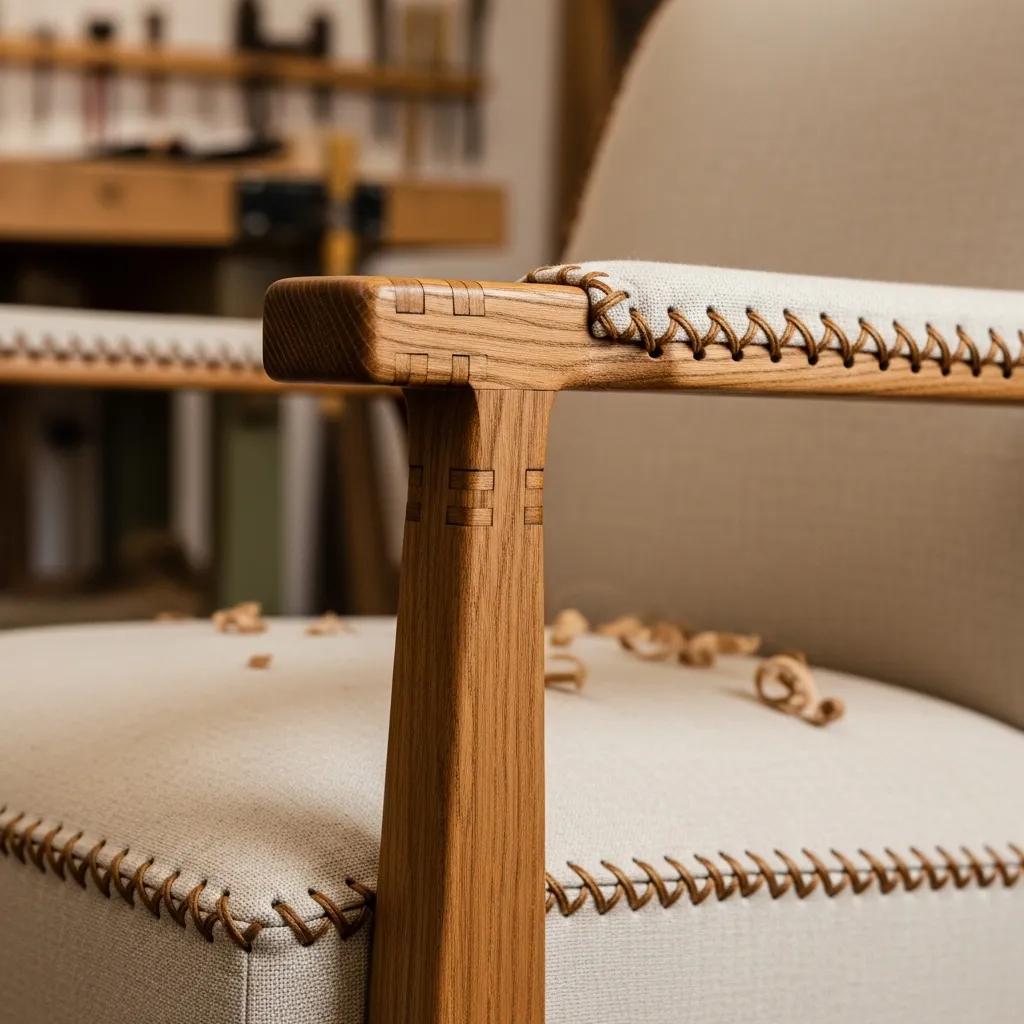
Handcrafted quality elevates furniture by embedding skilled making processes that enhance durability, finish and the nuanced details humans recognise as value, producing objects that age with grace and can often be repaired or reupholstered. The underlying reason is that hand techniques—joinery, hand-stitching, and hand-finishing—attend to tolerances and tactile outcomes that mass production can miss, resulting in superior longevity and a unique surface character. Key markers of this quality include visible joinery, consistent hand-stitched seams, hand-applied finishes and material selection that favours longevity over cheap appearance. Below we compare common craftsmanship techniques and the benefits they deliver to help readers evaluate makers and their pieces.
Different craftsmanship approaches produce distinct functional and aesthetic outcomes.
What Craftsmanship Techniques Are Used in Bespoke Furniture Ireland?
Bespoke makers in Ireland and similar craft-focused markets commonly use hand-stitched upholstery, traditional joinery methods and hand-forming for metal or composite sculptural bases to realise design intent with structural integrity. Hand-stitched seams ensure upholstery conforms to unusual curves and reduces strain at stress points, while traditional joinery secures frames without relying solely on adhesives or concealed fasteners. Metal forming and hand-finishing allow sculptural bases to read as continuous surfaces, translating a designer’s sketch into a stable, tactile object. These techniques not only contribute to an object’s practical lifespan but also generate the subtle irregularities that signal genuine craft, which we will compare further in an EAV table to clarify buyer choices.
Which Sustainable Materials Define Modern Artistic Furniture?
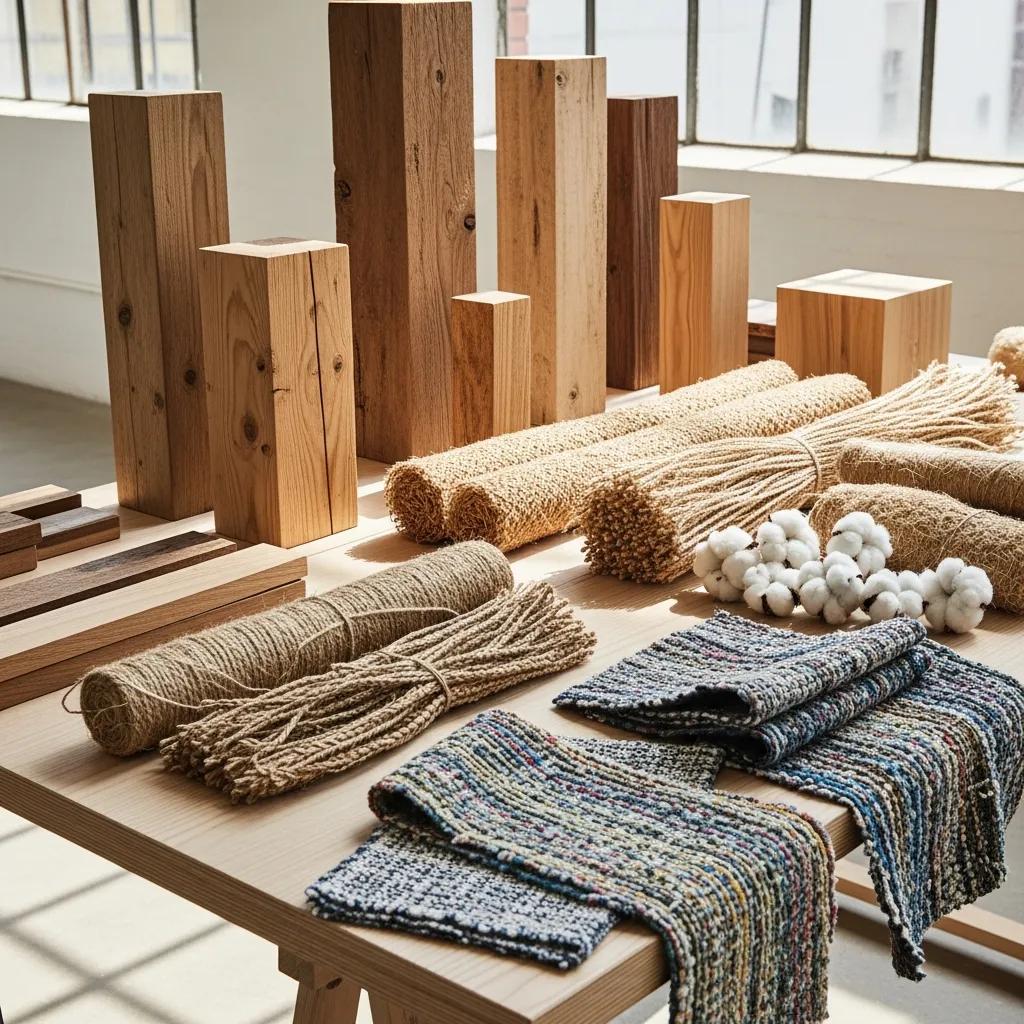
Sustainable choices in artistic furniture include reclaimed timber, responsibly sourced hardwoods, natural fibres, and low-impact upholstery like durable velvets made from recycled fibres or natural textiles. Material selection matters because sustainable materials provide both the aesthetic language designers seek—grain, patina, or plush texture—and the ecological credentials increasingly important to contemporary buyers. Reclaimed wood delivers a storied surface that complements sculptural silhouettes while natural fibres provide tactile comfort and better end-of-life options. Selecting materials for a piece therefore balances visual, tactile and environmental considerations, which informs the bespoke process buyers should expect when commissioning or selecting artistic furniture.
Why Choose Customization in Designer Furniture Dublin?
Customization delivers fit, function and personal storytelling by allowing scale, finish and materials to be adjusted to the user’s space and lifestyle, ensuring that a designer piece integrates seamlessly with existing interiors. The mechanism behind this value is straightforward: customised dimensions and finishes tailor ergonomics and visual rhythm, while material choices ensure longevity and ease of care, producing pieces that feel intentional and singular. Benefits include optimal spatial planning, alignment with preferred materials, and the ability to echo a homeowner’s narrative through unique fabrics or proportions. Below is a concise three-step process that describes how a typical bespoke customization flows from brief to delivery, helping prospective clients understand what to expect.
Customization follows a clear workflow that balances client input with craft expertise.
- Consultation and Briefing: Define needs, dimensions and material preferences.
- Prototype or Sample: Approve scale and finish through mockups or fabric samples.
- Production and Delivery: Finalise construction, quality checks and installation.
This three-step outline prepares clients for timing and involvement and leads naturally into specific personalization options they can request during consultations.
How Can Customers Personalize Their Artistic Furniture Designs?
Customers can personalise artistic furniture through choices in fabric or upholstery, base material and finish, dimensions, and colour palette, each option shifting the piece’s visual and tactile identity. Selecting a plush velvet for a pouffe creates a softer, more intimate object, while a metal sculptural base for a coffee table emphasises industrial modernity and durability. Clients should ask about seam construction, foam density, and finish samples during consultations to ensure choices align with comfort and maintenance needs. Thoughtful personalization ensures the final piece not only suits its environment but also supports the practical demands of daily use.
What Is the Process Behind Creating Bespoke Furniture in Ireland?
The bespoke furniture process typically unfolds through a sequence of briefing, design development, sample approval, production and delivery with collaborative touchpoints to verify fit and finish. Initially, a detailed consultation captures spatial constraints and stylistic objectives; designers then translate this into drawings or 3D visuals and propose materials that align with durability and sustainability goals. Clients usually review samples or prototypes before production begins, enabling adjustments that secure final satisfaction. A transparent timeline, from confirmation to delivery, helps manage expectations and results in a handcrafted piece that integrates seamlessly into the intended space.
How to Integrate Sculptural and Artistic Furniture into Irish Interiors?
Integrating sculptural furniture successfully involves balancing scale, texture and visual weight so statement pieces enhance rather than overwhelm a room’s function and circulation. The mechanism is balance: pair large sculptural objects with simpler surrounding pieces, and use texture, colour and lighting to focus attention without cluttering the visual field. Practical considerations such as comfort, traffic flow and maintenance must guide placement decisions to ensure the piece remains usable as well as beautiful. Below are styling strategies to help readers position and accentuate handcrafted furniture for coherent interiors that feel curated and lived-in.
Consider these practical styling tips to showcase handcrafted pieces effectively.
- Layer Textures: Mix velvet upholstery with timber and metal accents to highlight material contrasts.
- Use Focused Lighting: Accent lamps or track lighting emphasise sculptural silhouettes and surface detail.
- Maintain Negative Space: Allow breathing room around statement pieces to preserve their impact.
These styling rules help transform singular objects into integral parts of a room; next we outline which types of statement pieces commonly define contemporary Irish interiors.
What Styling Tips Enhance Unique Handcrafted Furniture in Homes?
To enhance handcrafted furniture, prioritise layering, targeted lighting and complementary textiles to draw attention to craftsmanship while maintaining comfort and usability. Layering involves combining rugs, throws and cushions that echo the colours and textures of the focal piece so the overall composition feels intentional rather than accidental. Directional lighting or dimmable fixtures can sculpt shadows and reveal material depth, making surfaces like velvet or hand-finished timber read more richly. Consider maintenance—choose fabrics and finishes that suit household use—to ensure the piece retains its functional integrity as well as its aesthetic appeal.
Which Statement Pieces Define Contemporary Irish Interior Design?
Contemporary Irish interiors often feature several archetypal statement pieces that marry craft with modern sensibility: velvet armchairs, sculptural coffee tables, bubble pouffes, ribbed side tables and oversized benches that double as sculptural elements. Each archetype serves a role: armchairs provide a tactile focal point for intimate seating, coffee tables act as the room’s centrepiece with sculptural bases, and pouffes add playful form and flexible seating. These pieces reflect current trends toward curved silhouettes, earthy textures and sustainable materials that harmonise with Ireland’s design sensibilities and local craft traditions. Recognising these archetypes helps homeowners prioritise which statement piece will yield the greatest spatial and aesthetic impact.
Where to Discover and Purchase Artistic Furniture in Ireland?
Finding artistic furniture in Ireland requires exploring a mix of e-commerce specialists, bespoke studios, curated showrooms and artisan marketplaces, each channel offering different trade-offs between convenience, customization and tactile evaluation. E-commerce platforms provide breadth and convenience but require careful scrutiny of images, process descriptions and material details to verify craftsmanship. Bespoke studios and showrooms allow tactile inspection and direct consultation, which is invaluable for complex or customised commissions. Below is a concise comparison of discovery channels to help readers choose the right route based on priorities like speed, bespoke options and the need to assess materials in person.
What Are the Best Sources for Designer Furniture in Dublin?
In Dublin and similar urban centres, the best sources blend online discovery with in-person consultation: specialised e-commerce retailers for curated ranges, bespoke ateliers for fully customised commissions, and showrooms for immediate tactile evaluation. When vetting sellers, check for clear material lists, process descriptions and the presence of handcrafted markers such as visible joinery or hand-stitched upholstery in product imagery. Requesting material samples or small finish swatches helps verify colour and texture before purchase, and asking about lead-times clarifies expectations for arrival and installation. These practical vetting steps reduce risk when buying sculptural pieces sight-unseen and prepare buyers for engaged bespoke conversations.
How Does PouffeLOVE Exemplify Artistic Furniture Design?
PouffeLOVE is an Irish e-commerce brand that specialises in handcrafted furniture including pouffes, benches, dining tables, coffee tables and armchairs, emphasising “Furniture with Soul” through unique designs and customizable options. Their offering includes sculptural pieces such as bubble pouffes and the Modo Designer Ribbed Coffee Table Set with a sculptural base, which illustrate how form-driven design and material choice combine in production. PouffeLOVE highlights handcrafted quality, customization and sustainability as core UVPs, positioning itself as a source for buyers seeking distinct, made-to-order pieces with an Irish focus. For readers interested in purchasing or commissioning artistic furniture, PouffeLOVE provides an online route to explore these handcrafted, customizable objects and to request bespoke options directly from the maker.
- Evaluate Craft: Look for visible construction details and clear material descriptions.
- Request Samples: Ask for fabric or finish samples before confirming orders.
- Clarify Timelines: Confirm lead-times and installation arrangements for bespoke pieces.
These next steps help convert discovery into a confident purchase or commission, completing the practical guidance for sourcing artistic furniture in Ireland.

