
Oak Wood for Furniture: Strength, Beauty & Lasting Value
Oak has long been prized for its solid build and natural good looks — a favourite for furniture that needs to live with a family, not just sit pretty. This guide walks you through what makes oak so dependable, the different types you’ll commonly see, how sustainable oak can be, and simple care tips to keep it looking its best. Whether you’re hunting for a family table or a statement piece, oak delivers durability and a timeless style. We’ll also highlight how PouffeLOVE approaches oak — from responsible sourcing to handcrafted finishes.
Why choose oak for furniture that’s both durable and beautiful?
Oak is famous for standing up to everyday life while still looking handsome. That strength comes from a tight, dense grain that resists wear — so chairs, tables and cabinets made from oak handle daily use with ease. At the same time, the wood’s varied grain and warm tones add texture and character to any room, whether your home is modern or more traditional.
What makes oak so strong and long‑lasting?
Oak scores high on hardness compared with many common hardwoods, which means it’s less prone to scratches and dents. Natural tannins in the wood also help protect it from moisture and environmental wear. Put simply, oak pieces are built to be used — and can easily last for generations with the right care.
How does oak enhance a piece’s look?
Oak’s appeal comes from its distinct grain patterns and the range of finishes that suit it. Every plank shows its own pattern, from straight lines to dramatic waves, giving each piece personality. You can finish oak with oils, stains or lacquers to bring out colour and depth, so it fits both classic and contemporary interiors.
Which types of oak are used in furniture?
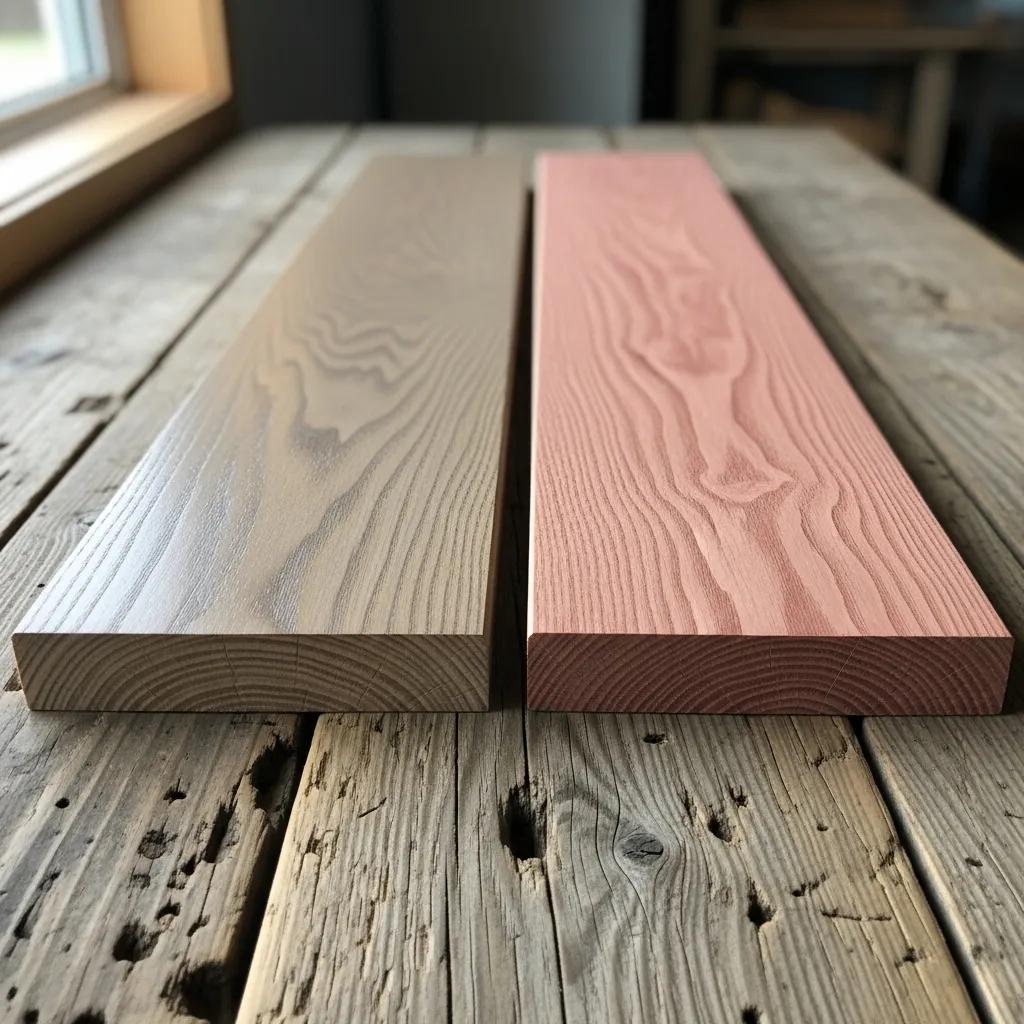
The two oaks you’ll see most often are white oak and red oak — each with its own strengths and best uses.
How do white oak and red oak differ for furniture?
White oak is prized for its strength and better resistance to water, making it a great pick for cabinets and outdoor pieces. Its tighter grain gives a smooth, durable finish. Red oak is a touch more porous and often carries a warmer, pinkish tone, which many people prefer for indoor furniture that feels cosy and inviting. Both are versatile, but the choice depends on where and how the piece will be used.
Solid oak or oak veneer — what’s the difference?
Solid oak is cut from full boards and will generally outlive veneer options; it can be sanded and refinished multiple times. Oak veneer is a thin layer of oak glued over a core — a good way to get the oak look at a lower price, but it won’t take the same number of refinishings as solid wood. For heirloom pieces, solid oak is usually the preferred long‑term option.
How does choosing sustainable oak help the planet?
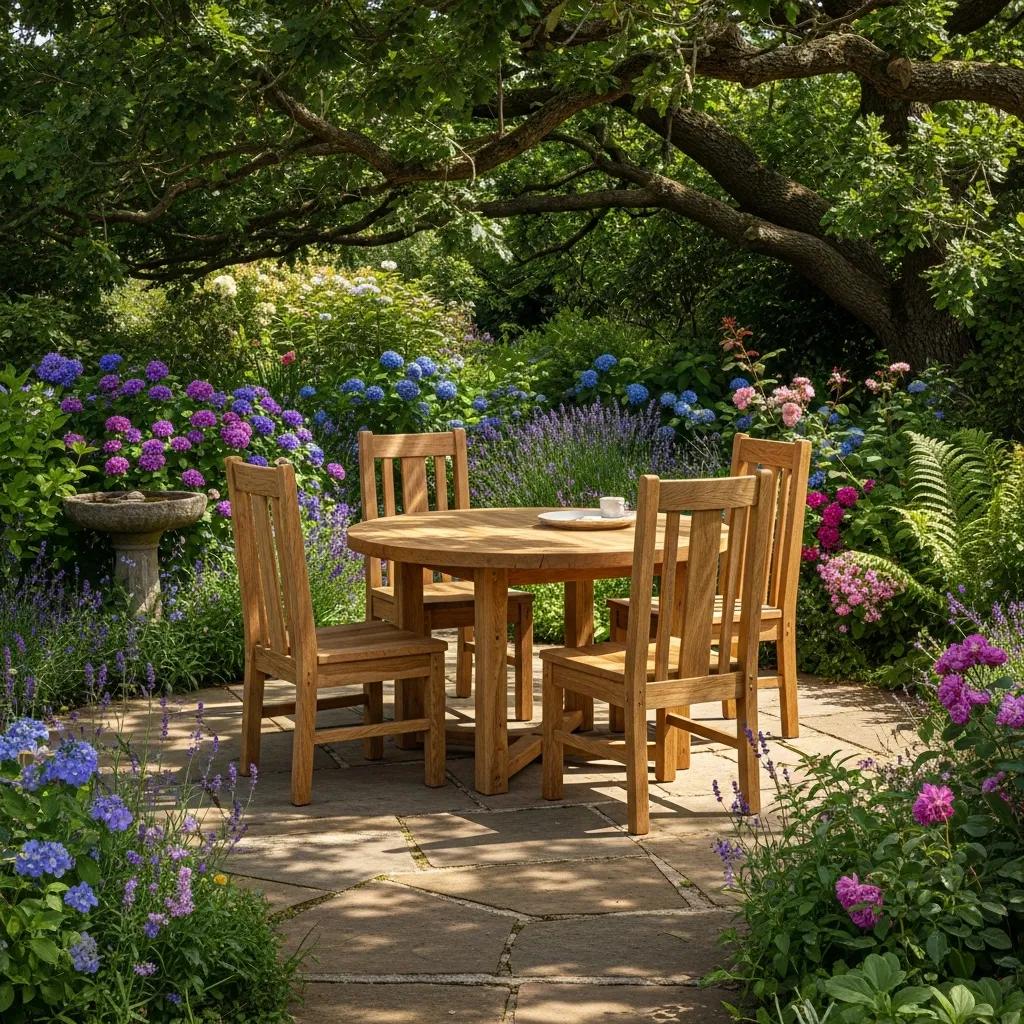
When oak is sourced responsibly, it’s a renewable material that can support sustainable living. Choosing well‑managed timber helps protect forests and supports local supply chains.
Why is oak seen as a sustainable choice?
Oak is renewable when harvested under good forestry practices — trees are replanted and forests are maintained. Because oak furniture is long‑lasting, it also reduces the frequency of replacements, cutting waste over time. Sustainable sourcing and durable design together keep the environmental footprint lower than short‑lived alternatives.
How does PouffeLOVE practise sustainability with our oak?
At PouffeLOVE we source oak from certified suppliers and prioritise craftsmanship so each piece has longevity. Our focus is on handcrafted builds and responsible materials — small choices that add up to furniture you can feel good about owning.
How to care for oak furniture so it stays strong and beautiful
Keeping oak looking its best is straightforward. A few regular habits protect the wood and extend the life of your furniture.
Top care tips to keep oak looking great
- Regular cleaning: Dust often with a soft, dry cloth. For deeper cleans, use a damp cloth and mild soap — avoid harsh chemicals that strip finishes.
- Avoid direct sunlight: Keep oak out of prolonged direct sun to prevent fading and discolouration; UV can dry the wood and dull the finish.
- Use coasters and mats: Always use coasters for drinks and mats for hot dishes to protect surfaces from moisture and heat marks.
How proper care brings out oak’s grain and finish
Using quality wood oils or conditioners helps nourish oak and emphasise its grain. Over time, light refinishing will restore colour and surface integrity, keeping pieces fresh for years rather than months.
What oak furniture options does PouffeLOVE offer in Ireland?
Our Irish collection features a range of handcrafted oak pieces designed to suit different rooms and styles. Each item highlights oak’s natural character while being made to last.
Which handcrafted oak pieces are in the PouffeLOVE collection?
- Oak Dining Tables: Sturdy, family-friendly tables designed for everyday life and special occasions alike.
- Oak Coffee Tables: Practical centrepieces that balance style with usefulness in your living room.
- Oak Benches: Versatile seating for hallways, dining setups or casual seating — all showing off oak’s grain.
How can you customise oak furniture to suit your style?
We offer finish and size options so you can tailor pieces to your room and taste. From natural oil finishes to custom dimensions, our approach ensures your furniture fits both the space and how you live in it.
In short, oak is a top choice when you want furniture that combines strength, attractive grain and long lifespans. Knowing the differences between oak types, the pros of solid wood versus veneer, and simple care routines helps you get the most from your pieces. PouffeLOVE’s focus on craftsmanship and responsible sourcing makes our oak collection a reliable, stylish choice for the home.
Frequently Asked Questions
What are the environmental benefits of choosing oak furniture?
Choosing oak can be better for the environment when the timber comes from responsibly managed forests. Oak’s longevity reduces the need to replace furniture often, which cuts waste and the carbon cost tied to production and disposal. Buying well‑made oak supports sustainable forestry and local suppliers.
How does oak compare to other hardwoods for maintenance?
Oak is relatively low‑maintenance thanks to its density and resistance to dents and scratches. Regular dusting and the occasional gentle clean are usually enough. Compared with softer woods, oak copes better with daily use and typically needs less frequent refinishing.
Can oak furniture be refinished — and how often?
Yes — solid oak can be refinished, which is one of its big advantages. Depending on wear, refinishing every 5–10 years will refresh the surface. Look for dullness, deep scratches or discolouration as signs it’s time to refinish. Regular conditioning stretches the time between full refinishes.
What styles of furniture can be made from oak?
Oak is extremely versatile. It works in traditional carved pieces, mid‑century inspired designs, and clean, modern silhouettes. You’ll find oak used for dining tables, chairs, cabinets and coffee tables — its grain and tone adapt well to many decor styles.
How does the cost of oak compare to other materials?
Oak often costs more upfront than cheaper materials, but its durability makes it a smart long‑term investment. Solid oak pieces can last decades, reducing replacement and repair costs over time. Cheaper options may save money now but can end up costing more in the long run.
What are the best finishes for oak wood furniture?
Great finishes for oak include natural oils (like tung or linseed), varnishes and stains. Oil finishes penetrate the wood and bring a warm, natural glow; varnish gives a tougher surface that resists moisture and scratches; stains let you change the colour while still showing the grain. Pick a finish that matches how the piece will be used and the look you want.
Conclusion
Oak combines strength, timeless looks and the potential for sustainable sourcing, making it an excellent choice for furniture that’s built to last. Understanding different oak types, the advantages of solid wood, and simple care routines will help you enjoy your furniture for years. When you choose handcrafted oak from PouffeLOVE, you’re choosing quality, responsible sourcing and pieces that fit your home. Explore our oak collection and find something that’s made to live with you.

