
How to Choose the Best Solid Wood Dining Table and Chairs for Your Home
Choosing solid wood dining furniture starts with clear priorities: durability, style, and daily use patterns. This guide explains how to evaluate solid wood dining tables and dining chairs solid oak by walking you through material durability, oak styles, chair ergonomics, maintenance, and sustainability. Many buyers struggle to match Janka hardness, grain, and finish choices with family needs and room scale; this article provides concrete comparisons and actionable checklists to solve that problem. You will learn which hardwoods stand up to heavy use, how white oak vs red oak differ visually and mechanically, practical rules for selecting modern solid oak dining chairs, essential maintenance routines for extendable and live-edge tables, and sustainability checkpoints to use in 2025 buying decisions.
What Are the Most Durable Solid Wood Materials for Dining Tables?
Durable solid wood dining tables are defined by hardness, moisture resistance, and stable grain that tolerate daily use and occasional spills. Janka hardness provides a measurable way to compare species, while grain and finish compatibility explain how each wood performs in real rooms. Practical selection balances hardness, aesthetic goals, and budget so the result meets family use, moisture exposure, and expected longevity. The next subsection explains why oak is commonly recommended for solid dining tables and how its attributes translate to real-world resilience.
Why Is Oak Wood Ideal for Solid Dining Tables?
Oak excels as a solid dining wood because it combines high Janka hardness with open, attractive grain and strong moisture resistance, which helps tabletops resist warping and wear. White oak typically rates higher on moisture resistance, making it a sensible choice for homes where spills or humidity are concerns, while both white and red oak sand and finish well to accept oils and lacquers. Oak’s grain visually hides small wear patterns and refinish options allow it to be maintained long-term, extending the table’s usable life. These attributes make oak a practical starting point when prioritizing hardwood dining table durability.
How Do Other Woods Like Walnut and Maple Compare in Durability?
Walnut offers rich color and a smoother grain but generally sits lower on the Janka scale than maple and some oaks, making it more prone to visible dents in high-traffic family settings. Maple provides high hardness and excellent scratch resistance, which makes it a top contender for heavy-duty dining tables where surface resilience matters more than grain show. Choosing walnut or maple over oak is reasonable when the buyer prioritizes aesthetic warmth (walnut) or maximum surface hardness (maple); the decision should match family activity levels and desired finish behavior.
What Is the Janka Hardness Scale and Why Does It Matter?
The Janka hardness scale measures the force required to embed a steel ball into wood and serves as a practical proxy for scratch and dent resistance in dining furniture. Higher Janka ratings usually indicate better wear performance under everyday impacts from cutlery, chairs, and dropped items, but they are not the only factor—grain structure, finish type, and construction also influence real-world durability. Use Janka values to shortlist species, then evaluate grain, finish compatibility, and budget to select the best option for your household. With that material baseline, comparing top species side-by-side clarifies trade-offs for buyers.
Different durable hardwoods can be compared across measurable attributes below to aid selection.
This table highlights how species differ in measurable ways and why white oak and maple often top lists for durable dining tables. The next H2 maps these material choices into stylistic directions for oak tables.
Which Oak Dining Table Styles Best Suit Different Home Designs?
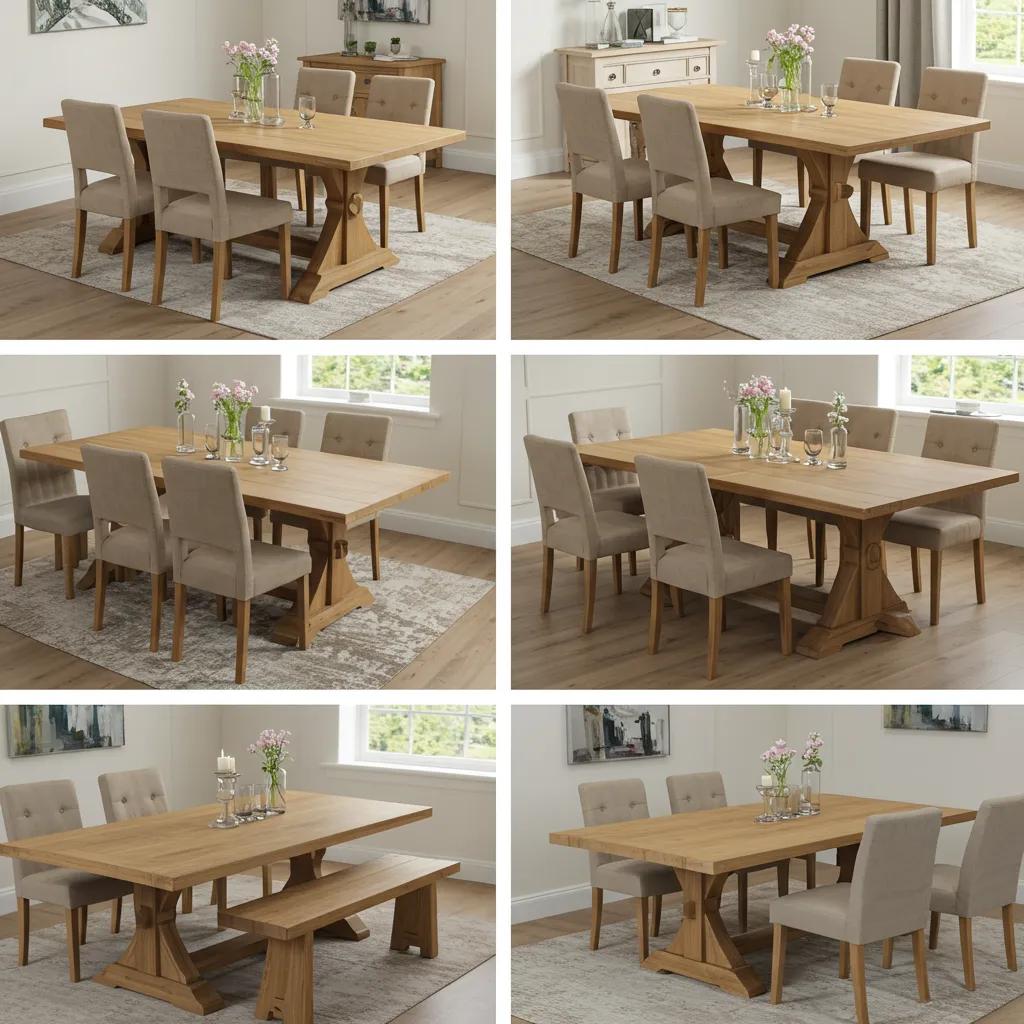
Oak solid dining table styles range from minimal modern slabs to chunky farmhouse pieces; each style dictates proportion, finish, and how the wood’s grain is displayed. Selecting a style depends on room scale, desired visual weight, and whether you need versatility like extendability; the right style both complements your home design and supports functional needs. Understanding red oak vs white oak differences and the benefits of extendable tables helps match the oak table style to your space and lifestyle. The following subsection compares red and white oak characteristics to anchor style choices.
What Are the Characteristics of Red Oak vs. White Oak Tables?
Red oak typically shows a warm, pinkish tone with a pronounced open grain that suits traditional and farmhouse palettes, while white oak leans paler with tighter grain defining modern and mid-century interpretations. White oak’s higher moisture resistance makes it preferred for long-term stability and finish flexibility, whereas red oak accepts stains readily and reads warmer under oil or lacquer. Choose red oak for rustic or vintage-inspired schemes and white oak for contemporary, Scandinavian, or coastal interiors where a lighter, cleaner grain is sought. These visual and mechanical distinctions guide finish and hardware choices for the next style comparisons.
How Do Modern, Rustic, and Farmhouse Styles Differ in Oak Dining Tables?
Modern oak tables favor clean silhouettes, thinner aprons, and minimal ornamentation to showcase grain in a refined way, while rustic styles use distressed surfaces, thicker planks, and visible joinery to create a lived-in character. Farmhouse pieces combine turned or tapered legs with relaxed finishes and generous scale to accommodate family gatherings, and mid-century modern oak uses slimmer profiles and tapered legs to feel lighter in smaller rooms. Matching table silhouette to room lighting and chair scale ensures cohesive composition and functional comfort for daily use.
What Are the Benefits of Extendable Solid Oak Dining Tables?
Extendable solid oak dining tables provide flexibility by increasing seating capacity on demand without permanently occupying floor space, making them ideal for mixed-use homes and occasional entertaining. Extension mechanisms range from straightforward butterfly leaves to precision telescopic slides; durable hardware and proper leaf storage maintain alignment and prolong mechanism life. Extendable tables add long-term value by adapting to changing household sizes and entertaining needs while retaining a solid wood surface that can be refinished over decades. Understanding mechanism types helps buyers prioritize reliability and maintenance requirements.
Below is a concise style comparison to pair visual traits with room types.
This comparison makes it easier to visualize which oak style will harmonize with your interior and use patterns. Next we look at chair selection rules to complete the dining set.
How to Choose Modern Solid Oak Dining Chairs for Comfort and Style?
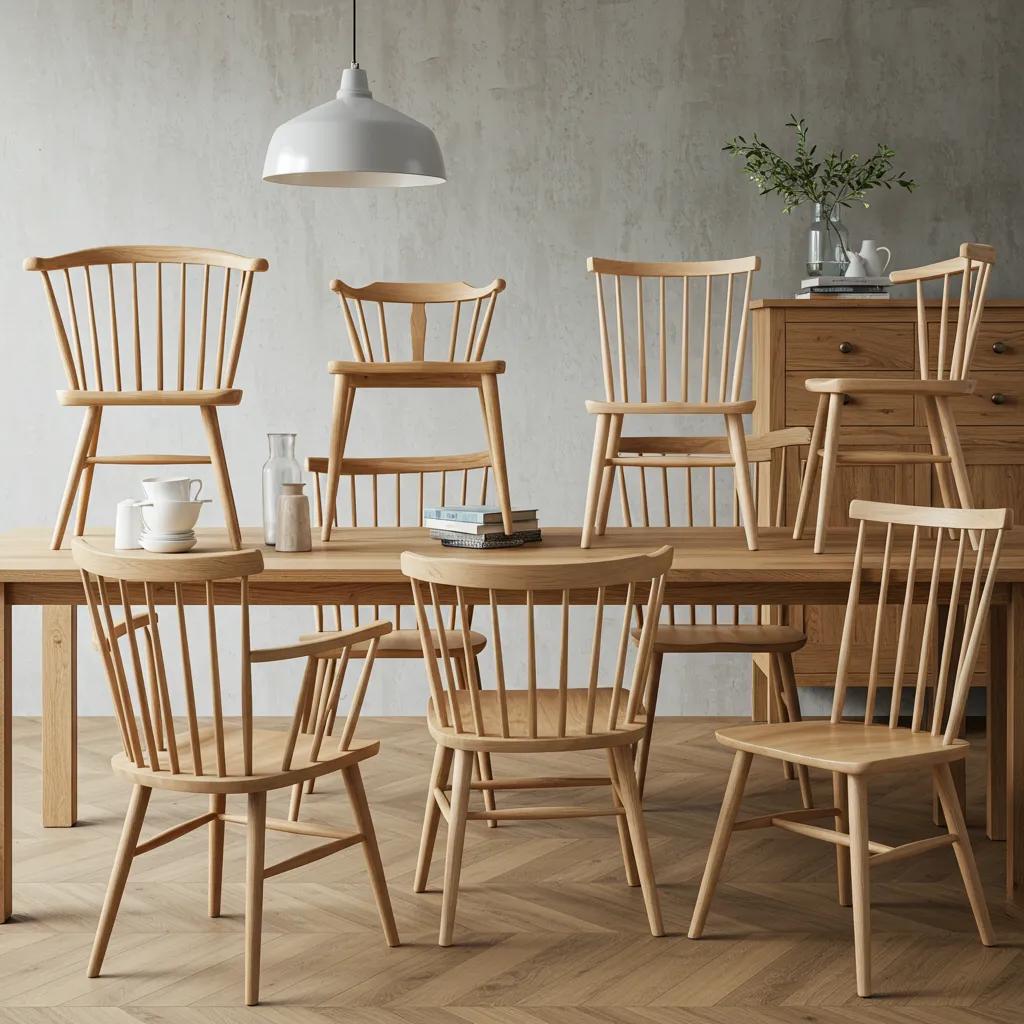
Choosing dining chairs solid oak requires balancing ergonomics, seat height, back support, and visual scale relative to the table to ensure both comfort and cohesive design. Measure seat height relative to table apron and prioritize adequate back support for longer meals; upholstery adds comfort but increases maintenance needs. Consider popular designs and their profiles when matching to table silhouettes, and use scale and finish to create either a matched set or an intentional mixed-material look. The following subsection explains common solid oak chair designs and pairing recommendations.
What Are the Popular Solid Oak Chair Designs Like Windsor and Ladder Back?
Windsor chairs feature a spindled back and tapered legs that create an airy, classic profile suited to both rustic and modern-transitional tables. Ladder-back chairs use horizontal slats for a casual, supportive back that pairs well with farmhouse and country tables, offering straightforward construction and easy maintenance. Each design contributes different visual rhythms around the table—Windsor for a refined silhouette and ladder back for relaxed, family-friendly seating—so choose based on desired formality and the table’s silhouette. Next, evaluate how upholstery choices influence comfort and upkeep.
How Does Upholstery Affect Comfort and Maintenance?
Upholstery greatly increases seating comfort by adding cushioning, which is important for long meals or frequent use, but it requires stain-resistant fabrics and periodic cleaning to remain attractive. Leather or performance fabrics offer easier wipe-clean surfaces, while natural fabrics provide breathability but may need protective treatments for high-use households. Solid wood seats are simpler to maintain and easier to wipe down, making them practical for households with children, but they offer less cushioning. Match upholstery decisions to expected use patterns and cleaning willingness to ensure chairs remain comfortable and presentable.
How to Match Dining Chairs with Your Oak Dining Table?
Match chairs to an oak dining table by keeping scale consistent—seat height should fit under the apron with comfortable legroom and back heights that visually relate to the tabletop edge. Use finish or material contrasts intentionally: a lighter oak table can be paired with darker chairs for contrast, or unify mixed styles by repeating a finish or fabric color across elements. Mixing chair silhouettes works when a consistent material or palette ties them together, creating a curated yet coherent set. The next section covers the maintenance needed to keep both tables and chairs performing well over time.
After this practical selection guidance, see curated solid oak chair options that meet these comfort and maintenance guidelines and align with the design criteria above.
What Are Essential Maintenance Tips for Solid Wood Dining Furniture?
Essential maintenance for solid wood dining furniture protects finish, prevents moisture damage, and preserves joinery so pieces remain functional and beautiful for years. Regular cleaning with gentle cleaners and microfiber cloths, protective tactics like coasters and placemats, and scheduled inspections of hardware will reduce surface wear and mechanical failures. Address extendable table hardware with light lubrication and flat, dry storage for leaves to prevent alignment issues, and plan refinishing based on visible wear rather than fixed year counts. The next subsections provide specific cleaning methods, extendable table practices, and refinishing guidance.
How Do You Properly Clean and Protect Oak Dining Tables?
Daily care uses a soft, slightly damp microfiber cloth with a mild pH-neutral cleaner to remove spills, followed by immediate drying to prevent water penetration into the grain. Use coasters under glasses, trivets under hot pans, and placemats for family meals to minimize direct contact and abrasion; avoid all-purpose sprays with silicone that can build up on finishes. For emergency stains, gently blot then use a diluted vinegar solution sparingly before professional refinishing if needed. Regular light oiling or topical polish appropriate to the finish extends life and maintains moisture balance.
Intro to maintenance tasks table: the table below clarifies frequency and difficulty for common maintenance actions.
This table helps prioritize routine actions that preserve both function and finish. Next we cover extendable table care.
What Are Best Practices for Maintaining Extendable Tables?
Keep extension tracks clean of debris and lightly lubricated with recommended products, and verify alignment by periodically checking screws and guide tolerances to avoid uneven wear. Store leaves flat in a dry environment to prevent cupping or warping, and inspect leaf edges and fasteners before use to ensure smooth insertion. If mechanism stiffness appears, address it early to avoid forced operation that might damage slides; consult a technician for replacement hardware when necessary. Proper extendable-table care keeps the mechanism reliable and preserves the tabletop’s integrity.
How Often Should You Refinish or Treat Solid Wood Furniture?
Refinishing frequency depends on use and finish type: light touch-ups and protective oiling yearly for high-use surfaces, with full refinishing typically every 7–15 years when finish failure or deep damage appears. Indicators that a full refinish is needed include persistent finish peeling, deep gouges, or moisture penetration that alters the wood’s structure. Minor scratches can be blended with targeted color-matched waxes or oils, while significant wear benefits from sanding and reapplication of an appropriate finish. Choose professional refinish when structural joinery or complex inlays require careful restoration.
Why Is Sustainability Important When Choosing Solid Dining Furniture?
Sustainability matters because responsibly sourced solid wood furniture reduces environmental impact through responsible forestry, carbon storage, and longevity that counters disposable furniture cycles. Certifications and reclaimed wood choices provide tangible ways to reduce footprint, while durable solid wood pieces further lower lifetime environmental cost by avoiding frequent replacement. Understanding certification types and 2025 trends helps buyers make choices that balance aesthetics, ethics, and long-term value. The following subsections define key certifications, lifecycle impacts, and current eco-friendly trends.
What Certifications Ensure Responsibly Sourced Oak and Other Woods?
Forest Stewardship Council (FSC) certification indicates chain-of-custody tracking and responsible forest management, while other credible marks demonstrate similar supply-chain verification and sustainable harvesting practices. When evaluating claims, ask sellers for documentation and chain-of-custody details to confirm that wood originates from certified forests or reclaimed sources. Certifications do not guarantee perfect outcomes but provide measurable assurance that sourcing follows recognized environmental and social standards. Consumers who prioritize sustainability should weigh certifications alongside durability and finish choices.
How Does Sustainable Solid Wood Furniture Impact the Environment?
Sustainably sourced solid wood furniture stores carbon over its service life and generally has lower embodied energy than synthetic alternatives, especially when the supply chain is short and finishes are low-VOC. Choosing durable pieces that can be refinished extends service life and reduces the need for replacements, amplifying environmental benefits over decades. Trade-offs include transport emissions and finish chemistry, so local sourcing and low-impact coatings further improve the furniture’s environmental profile. Durable design choices often produce the best overall sustainability outcome.
What Are the Latest 2025 Trends in Eco-Friendly Dining Furniture?
2025 trends emphasize reclaimed wood and live-edge pieces that reuse materials, mixed-material designs that extend lifespan through modular repairability, and artisan customization that favors repair over replacement. Buyers increasingly expect transparency about sourcing and prefer brands that offer refinishing services or spare parts to prolong product life. Customizable, repairable solid wood furniture aligns sustainability with personal expression and long-term value. These trends point buyers toward choices that combine aesthetics, resilience, and environmental responsibility.
This article has outlined material comparisons, style mapping, chair selection checklists, maintenance protocols, and sustainability checkpoints to help you choose the right solid wood dining table and chairs for your home. N/A is focused on helping customers choose the right product within the “solid dining” category and can guide selections that match the durability, aesthetic, and material characteristics discussed here.

