Bespoke Armchairs in Cork: Expert Guide to Custom Handmade and Luxury Seating Solutions
Bespoke armchairs represent the pinnacle of personalized furniture design, providing unique solutions tailored to individual tastes and requirements. In Cork, demand for these handcrafted pieces has risen as homeowners and businesses seek refined comfort and style. This guide examines the benefits of bespoke armchairs, the available customization options, and how to select the right piece for your environment. Many buyers cannot locate furniture that meets both aesthetic and functional needs; bespoke armchairs address this by combining skilled craftsmanship with personal expression. The article also outlines the customization process and practical care advice to ensure long-term performance.
Key Takeaways
- Bespoke armchairs in Cork offer personalized design solutions for unique style and comfort.
- Choosing bespoke armchairs supports local craftsmanship and sustainable practices.
- Customization options include upholstery materials, dimensions, and design styles.
- Handmade armchairs enhance comfort and style through high-quality materials and craftsmanship.
- Local craftsmanship ensures quality and reduces environmental impact by minimizing transportation.
- The customization process involves consultation, design selection, production, and delivery.
- Proper care and maintenance extend the longevity and appearance of bespoke armchairs.
- Customization affects pricing, with materials and design complexity influencing costs.
- Investing in bespoke armchairs offers durability, timeless appeal, and personal satisfaction.
What Are the Benefits of Choosing Bespoke Armchairs in Cork?
Bespoke armchairs deliver advantages that mass-produced pieces cannot match: superior comfort, distinctive style, and direct support for local craftsmanship. Investing in a bespoke armchair yields a tailored solution for your requirements while reinforcing sustainable practices within the local economy.
Selecting bespoke armchairs emphasizes quality and individuality, which are essential when creating a comfortable and polished living or working environment.
How Do Handmade Armchairs Enhance Comfort and Style?
Handmade armchairs are conceived for both comfort and visual appeal. Material selection—such as velvet or leather—affects tactile comfort and the piece’s overall character. Skilled craftsmanship ensures every element, from the frame to the cushioning, is executed to provide reliable support and comfort.
Adjustable design features—arm height, seat depth, and backrest angle—permit precise ergonomic fit. This level of personalization ensures the armchair complements existing decor while serving as a distinctive focal point.
Why Is Local Craftsmanship Important for Quality and Sustainability?
Local craftsmanship underpins the quality and sustainability of bespoke armchairs. Artisans in Cork apply established techniques and choose durable materials to produce furniture designed to last. Purchasing locally helps preserve these skills and encourages sustainable practices within the community.
Local manufacturing also reduces the carbon footprint associated with long-distance transportation. This sustainability focus aligns with consumers who prioritize environmental responsibility. Investing in locally made bespoke armchairs enhances interiors while supporting the regional economy and responsible consumption.
The intrinsic value of craftsmanship extends beyond production; it forms the foundation of luxury and design identity.
The Value of Craftsmanship in Luxury Design
Luxury fashion design (LFD) is founded on specific values that contribute to its exclusivity and are communicated to customers. While each luxury fashion brand has its own set of values, three core values—history, craftsmanship, and design identity—are integral to purchasing and consuming luxury fashion goods.
Re: crafting luxury-The value of luxury craftsmanship from Boomers and Millennials’ point of view, 2024
Which Customization Options Are Available for Bespoke Armchairs?
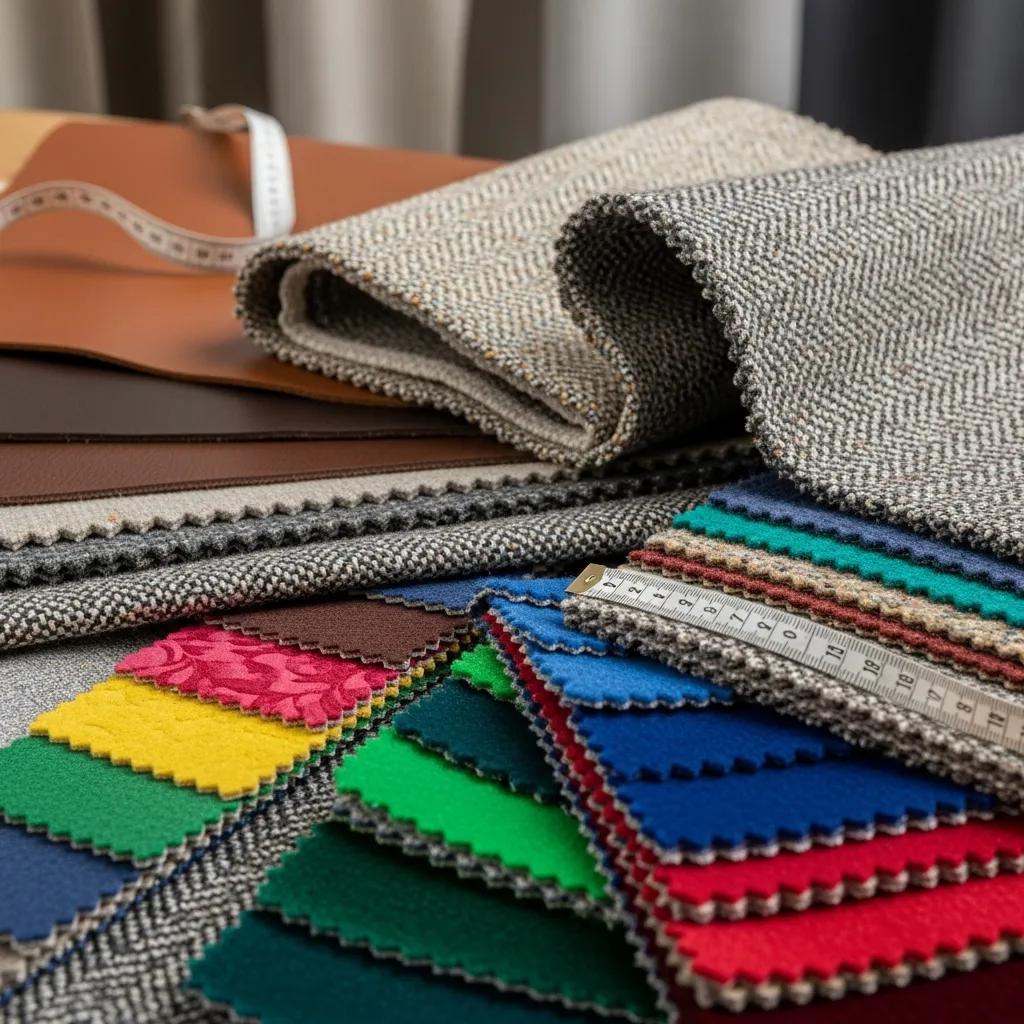
Customization for bespoke armchairs is extensive. Upholstery, proportions and stylistic details can be tailored to meet individual preferences and functional requirements.
What Upholstery Materials and Fabrics Can Be Selected?
Upholstery selection is a central decision when customizing a bespoke armchair. Options include:
- Leather: Durable and easy to clean, leather offers a classic and sophisticated look. Explore our leather armchair collection.
- Fabric: Available in various textures and patterns, fabric upholstery allows for greater personalization. Browse our fabric armchairs for inspiration.
- Velvet: Luxurious and soft, velvet adds a touch of elegance to any armchair. See our velvet armchair range.
Each material offers specific benefits; choosing the appropriate upholstery enhances both comfort and the armchair’s visual presence.
How Can Dimensions and Design Styles Be Tailored to Your Space?
Customizing dimensions and style ensures the armchair fits its intended setting. Factors to consider include:
- Dimensions: Tailoring the height, width, and depth ensures the armchair is comfortable and proportionate to the surrounding furniture.
- Design Styles: Options range from modern minimalist to classic vintage, allowing you to choose a style that complements your existing decor. Discover styles in our designer armchair collection.
Careful attention to these factors produces a bespoke armchair that fulfills functional requirements while elevating the room’s aesthetic.
How to Choose the Right Designer Armchair for Residential and Corporate Spaces?
Selecting the right designer armchair requires assessing the space’s functional needs and aesthetic objectives. Whether for a residence or a corporate setting, the chair should reflect its intended use and visual identity.
What Are Popular Armchair Styles for Modern and Classic Interiors?
Modern interiors favor clean lines and minimalist profiles; classic interiors often incorporate ornate details and traditional silhouettes. Some popular styles include:
- Mid-Century Modern: Characterized by clean lines and organic shapes, this style is perfect for contemporary spaces. View our Mid-Century Modern armchairs.
- Chesterfield: A classic design with deep button tufting, ideal for traditional settings. Explore our Chesterfield armchairs.
- Wingback: Offers a timeless silhouette that provides comfort and style. Check out our Wingback armchair selection.
Selecting an appropriate style ensures the armchair complements the overall interior scheme.
How Do Bespoke Armchairs Meet Functional and Aesthetic Needs?
Bespoke armchairs address both functional and aesthetic requirements. They provide support and comfort while serving as focal elements. Customizable features such as cushioning and arm height allow the chair to be adapted to individual needs, making it practical across settings.
The distinctive designs of bespoke armchairs enable them to act as statement pieces that add character to the environment. This balance of utility and aesthetics underpins their value.
What Is the Process and Timeline for Ordering Custom Upholstered Chairs in Cork?
Understanding the ordering process and timeline helps manage expectations. The typical journey runs from consultation through to delivery.
How Long Does Custom Upholstery and Manufacturing Take?
Lead times vary with design complexity and material selection. Typically, custom upholstery and manufacturing require 8 to 12 weeks to allow for precise craftsmanship and quality checks.
The complexities of custom furniture production can create efficiency and coordination challenges that affect delivery timelines.
Custom Furniture Manufacturing & Production Efficiency
This study investigates production planning and control (PPC) challenges in the Thai furniture industry, particularly in custom and project-based manufacturing. A mixed-methods approach was adopted, combining structured interviews, on-site observations, and the analysis of historical production data to identify inefficiencies in scheduling, task coordination, and resource utilization.
Enhancing Planning and Control for Sustainable Custom and Project-Based Furniture Manufacturing, 2025
What Steps Are Involved from Consultation to Delivery?
The typical process for ordering a bespoke armchair includes these stages:
- Consultation: Discuss your needs and preferences with the designer.
- Design Selection: Choose materials, dimensions, and design features.
- Production: The armchair is crafted by skilled artisans.
- Delivery: The finished product is delivered to your location.
This structured process ensures attention to detail and results in an armchair that matches your specifications.
How to Care for and Maintain Your Bespoke Armchair for Longevity?
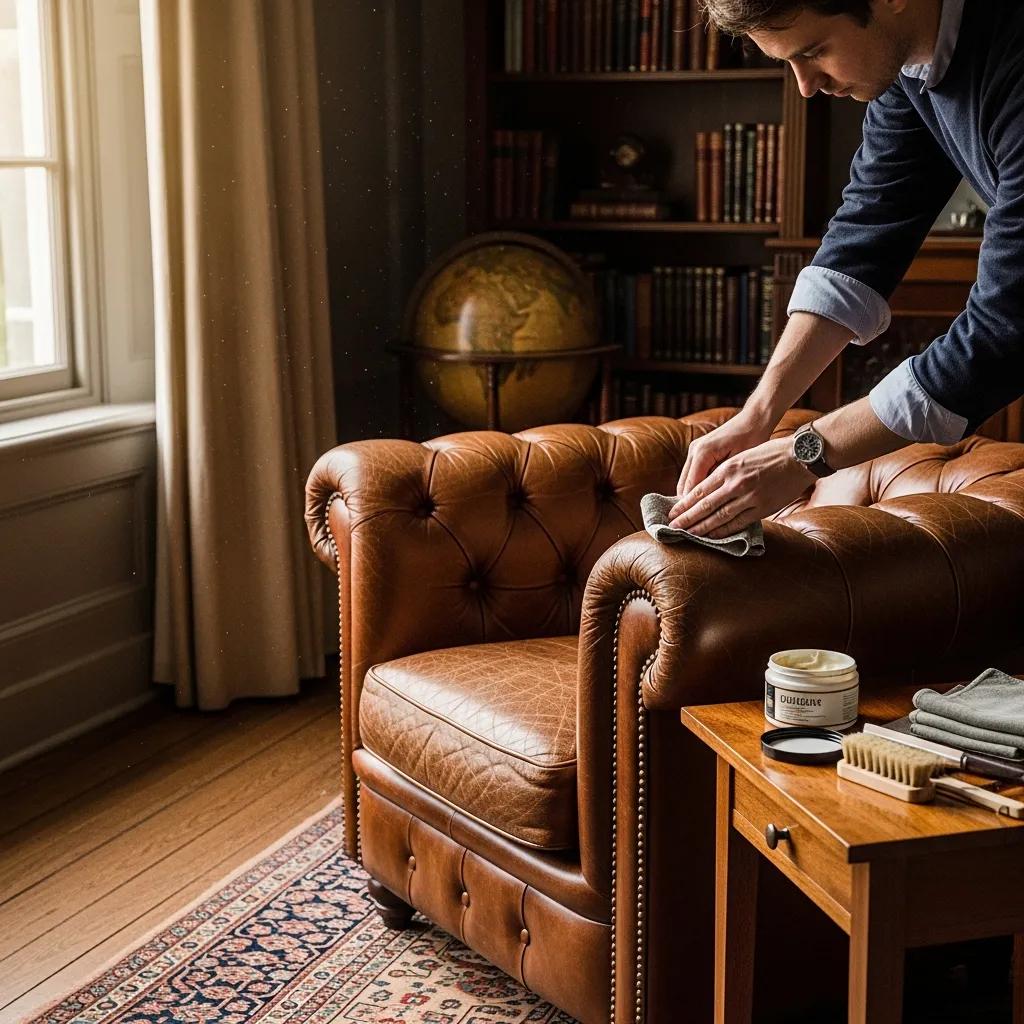
Appropriate care preserves the condition and performance of bespoke armchairs. Regular, simple maintenance will sustain appearance and comfort for years.
What Are Best Practices for Upholstery Fabric and Leather Care?
Caring for upholstery fabric and leather requires different approaches:
- Fabric: Regular vacuuming and spot cleaning can help maintain its appearance. Avoid direct sunlight to prevent fading.
- Leather: Use a damp cloth for cleaning and apply a leather conditioner periodically to keep it supple.
Following these care practices extends the chair’s service life and preserves its finish.
How Does Proper Maintenance Enhance Durability and Appearance?
Regular maintenance improves durability and appearance. Addressing minor wear or stains promptly prevents larger repairs and helps keep the armchair a valued element in your home or office for many years.
What Are the Price Ranges and Value Considerations for Luxury Bespoke Armchairs in Cork?
Purchasing a bespoke armchair requires awareness of price ranges and value factors. Costs vary according to chosen materials and the degree of customization.
How Does Customization Affect Pricing?
Customization influences price. Factors that may affect pricing include:
- Material Selection: High-quality fabrics or leathers typically come at a premium.
- Design Complexity: Intricate designs or additional features may increase costs.
- Size and Dimensions: Larger armchairs require more materials and labor, impacting the overall price.
Awareness of these factors supports informed selection and budgeting when choosing a bespoke armchair.
What Are the Long-Term Benefits of Investing in Handcrafted Furniture?
Handcrafted furniture delivers long-term benefits:
- Durability: High-quality materials and craftsmanship ensure longevity.
- Timeless Appeal: Bespoke designs remain stylish and relevant over time.
- Personal Satisfaction: Owning a unique piece that reflects your style adds value to your space.
These advantages demonstrate why bespoke armchairs represent a considered investment for both residential and corporate settings.
Frequently Asked Questions
What is the difference between bespoke armchairs and mass-produced furniture?
Bespoke armchairs are made to individual specifications, providing a unique design and precise fit. Mass-produced furniture is manufactured at scale and typically offers limited personalization. Bespoke pieces therefore deliver superior craftsmanship, higher-grade materials, and selectable features such as dimensions, upholstery, and stylistic details, making them a more tailored solution for discerning customers.
Can I request specific design features for my bespoke armchair?
Yes. A core advantage of bespoke armchairs is the ability to specify design features such as arm height, seat depth, backrest angle, and overall silhouette. This level of customization ensures the armchair meets functional requirements and integrates with your existing decor.
Are bespoke armchairs suitable for both residential and corporate environments?
Yes. Bespoke armchairs can be tailored for residential and corporate settings alike. In homes they enhance comfort and style; in corporate spaces they can reflect brand identity and create a welcoming atmosphere. Customization options allow the design to align with the intended use and aesthetic of the space.
What should I consider when selecting upholstery for my armchair?
Consider durability, maintenance, and aesthetic effect. Materials such as leather, fabric, or velvet differ in comfort, wear resistance, and cleaning requirements. Also evaluate color and pattern to ensure coordination with your decor and suitability for the expected level of use.
How can I ensure the longevity of my bespoke armchair?
Regular maintenance is essential. Vacuum upholstery to remove dust, address stains promptly, and use appropriate cleaning products for each material. For leather, apply a conditioner periodically and keep the chair away from direct sunlight to prevent fading.
What are the environmental benefits of choosing locally crafted armchairs?
Choosing locally crafted armchairs reduces transport-related emissions and often involves responsibly sourced materials and traditional techniques that limit waste. Purchasing locally supports the regional economy and helps preserve craft skills.
How do I find a reputable designer for bespoke armchairs in Cork?
Research local artisans and makers with strong portfolios and positive reviews. Visit showrooms or craft fairs to assess workmanship. Request references, review customer testimonials, and confirm the designer’s customization process aligns with your requirements.
Conclusion
Choosing bespoke armchairs in Cork enhances your space with tailored comfort and style while supporting local craftsmanship and sustainable practice. Customization ensures the chair meets your aesthetic and functional needs. By investing in handcrafted pieces you commit to lasting quality and individuality. Explore available bespoke options to elevate your home or workplace by visiting our bespoke armchair collection.

