
Bespoke Furniture Investment: Why Quality Handcrafted Custom Pieces Matter
Bespoke furniture refers to custom-made, handcrafted pieces designed to meet specific dimensions, style preferences, and functional needs, and it combines craftsmanship with purposeful material choices to deliver long-term value. Investing in bespoke furniture means buying design intent, durable construction, and tailored functionality rather than mass-produced items that often require early replacement. This article explains the tangible benefits of bespoke furniture, how artisanal methods and sustainable materials extend lifespan, and why a considered purchasing process protects resale and emotional value. Readers will learn the practical customization workflow, the material trade-offs that determine durability, and actionable care strategies to preserve value over decades. We will also spotlight how an Irish e-commerce specialist focused on handcrafted furniture can illustrate these principles in practice, showing real-world examples of pouffes, benches and tables configured for bespoke interiors. The following sections examine benefits, artisanal production and materials, the step-by-step customization process, the investment case for heirloom-quality pieces, and the handcrafted collections that bring custom interiors to life.
What Are the Key Benefits of Investing in Bespoke Furniture?
Bespoke furniture delivers measurable benefits because each piece is designed, specified, and built to meet a user’s exact needs, using higher-grade materials and joinery that increase longevity and performance. The mechanism is simple: precise design reduces waste and ill-fit, superior frames and upholstery lower wear rates, and selective finishes make maintenance easier, which together reduce lifetime replacement costs.
Below is a concise list of the core advantages to support a quick featured-snippet style answer before we unpack each benefit in detail.
Bespoke furniture offers several primary advantages:
- Personalization and Fit: Pieces are made to scale and style to match a room and a client’s taste.
- Superior Durability: Solid frames, traditional joinery, and premium upholstery extend usable life.
- Sustainability: Thoughtful material choices and repairability reduce environmental impact over time.
- Resale and Heirloom Value: Timeless design and provenance can preserve or increase value.
These benefits set the scene for understanding how bespoke solutions enhance personal style and why durability matters when calculating cost-per-year for high-quality furnishings. Next we will examine how custom furniture amplifies personal expression and solves spatial challenges.
How Does Custom Furniture Enhance Personal Style and Space?
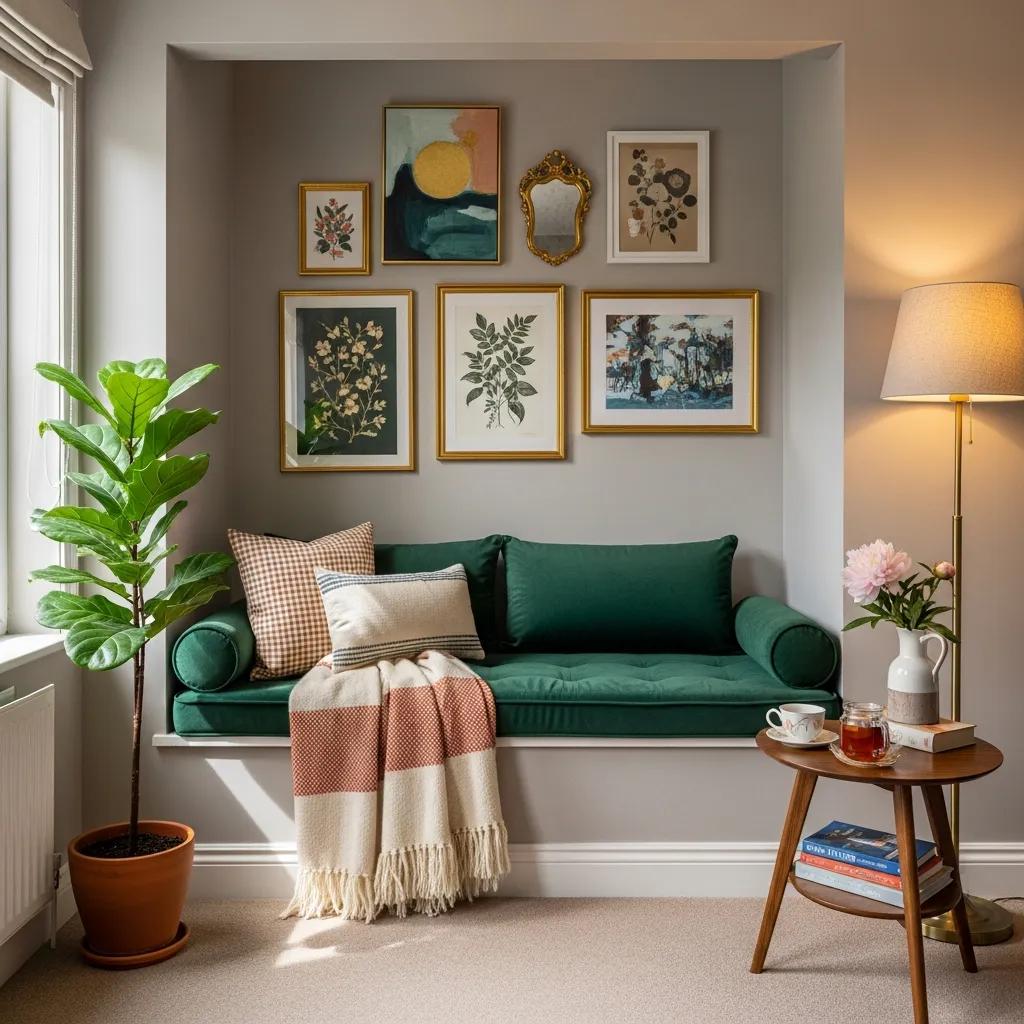
Custom furniture enhances personal style by translating individual aesthetic choices—scale, proportion, colour and material—into a single coherent object that anchors a room, rather than forcing compromise on off-the-shelf items. The mechanism is tailored specification: designers can adapt seat heights, cushion density, and upholstery textures so a piece performs exactly as required, which solves awkward layouts and creates visual harmony. For example, a made-to-measure bench can fill an alcove without blocking circulation while matching existing timber tones to maintain continuity. This one-to-one tailoring also supports brand or corporate identities in reception areas, where bespoke seating reinforces a visual narrative. Understanding these design possibilities naturally leads to the next concern: selecting construction techniques and materials that ensure those custom pieces endure.
Why Is Durability Essential in Quality Handcrafted Furniture?
Durability matters because the true cost of furniture is measured in years of service rather than upfront price alone; well-constructed pieces lower cost-per-year and reduce environmental impact by avoiding repeated replacements. The mechanism for durability is structural: solid hardwood frames, traditional joinery such as mortise-and-tenon, and high-density cushioning resist deformation and retain comfort; complemented by robust upholstery like performance textiles or leather. Concrete comparisons typically show handcrafted pieces lasting decades versus mass-produced alternatives that may fail in five to ten years, which changes long-term budgeting for households and businesses. Recognizing how construction drives lifespan brings us to how artisans and workshops translate material choices into lasting value.
How Does PouffeLOVE Craft Luxury Bespoke Furniture with Lasting Value?
PouffeLOVE is an Irish e-commerce platform specialising in handcrafted furniture that showcases how artisan skills and careful material selection generate lasting value in bespoke interiors. The workshop model pairs joiners and upholsterers to produce made-to-measure pouffes, benches, dining and coffee tables, and armchairs using design decisions that prioritise durability and finish quality.
To illustrate the material trade-offs that create longevity, the table below compares common materials and the practical implications for maintenance and lifespan.
This material comparison highlights how selecting solid wood frames and durable upholstery reduces lifecycle replacement and simplifies care, which supports the claim that craftsmanship and material provenance underpin long-term value. With material choices clarified, the next section explains the people and processes—artisans and techniques—that shape each bespoke piece.
Who Are the Artisans Behind Our Handcrafted Furniture?
Artisans working on bespoke furniture include joiners, upholsterers, and finishers whose combined skills translate design intent into durable products, and each role contributes distinct technical expertise. Joiners craft and test frames using traditional joinery for structural integrity, while upholsterers select foam densities, spring systems or feather fills to balance comfort with longevity. Finishers apply oils, varnishes or lacquers to protect surfaces and accentuate grain; their choices affect maintenance needs and environmental resilience. Short artisan spotlights help clients appreciate provenance, and understanding these roles supports informed choices during a design consultation. Knowing which techniques and hands shape a piece naturally leads to the sustainable materials and methods that reduce environmental impact.
What Sustainable Materials and Techniques Do We Use?
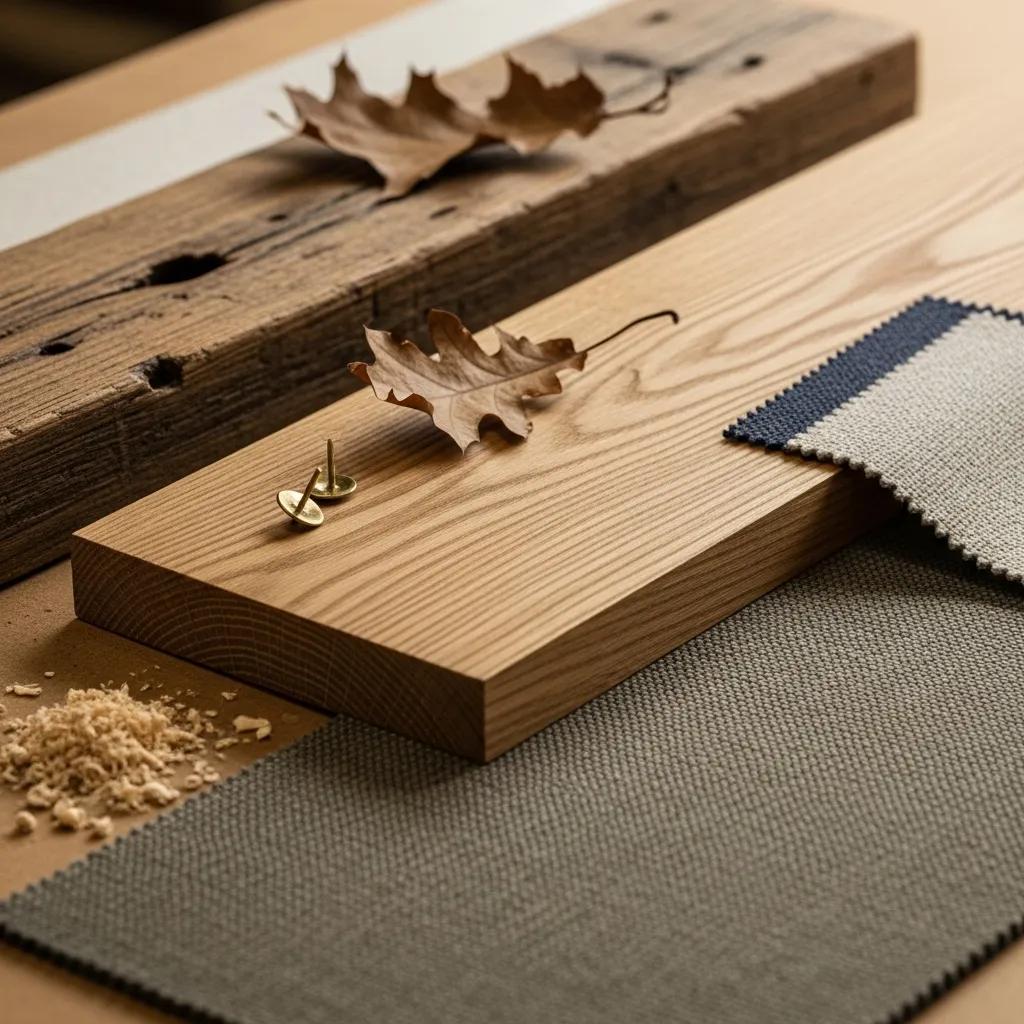
Selecting sustainable materials—such as responsibly sourced hardwoods and durable textiles—reduces environmental impact by extending product life and enabling repair instead of replacement, which is central to sustainable furniture design. The practical mechanism is material longevity: hardwoods like oak tolerate refinishing, reclaimed timbers reuse existing wood stocks while retaining character, and performance fabrics resist stains and abrasion, reducing the need for reupholstery. Techniques such as careful finish selection, modular joinery for disassembly, and repair-friendly construction make long-term maintenance feasible. This focus on sustainability and repairability not only supports ethical purchasing but also enhances the investment case for bespoke furniture by preserving value through time, which prepares us for the step-by-step customization workflow customers follow.
What Is the Process for Customizing Your Perfect Bespoke Furniture?
Customizing bespoke furniture follows a structured workflow—consultation, design, material selection, production, and delivery—that builds trust and sets clear expectations for timelines and outcomes. The mechanism is staged collaboration: initial briefs define needs and constraints, designers convert briefs into sketches and mock-ups, clients select materials and finishes from swatches, and production proceeds only after approvals, which limits costly revisions.
Below is a concise, featured-snippet-style step-by-step summary for easy reference.
- Consultation: Gather measurements, inspiration, and functional requirements.
- Design & Approval: Produce sketches and mock-ups for client review.
- Material Selection: Choose woods, upholstery, finishes, and hardware.
- Production: Artisan-led workshop builds the piece to specification.
- Delivery & Aftercare: Install and provide maintenance advice.
This high-level sequence clarifies what to expect; the table that follows breaks down deliverables and timelines across core design stages to help clients anticipate outputs and decision points.
This stage-by-stage comparison clarifies responsibilities and pacing, which reassures clients that bespoke production is predictable and controlled. After understanding the process structure, it helps to know what to prepare for an effective design consultation.
How Does the Design Consultation Bring Your Vision to Life?
A successful design consultation begins with clear preparation—measurements, inspiration images and a list of required functions—so designers can align proposals with spatial and lifestyle needs. During consultation, the mechanism is iterative collaboration: the designer translates client inputs into sketches, proposes materials and dimensions, and sets realistic timelines while addressing constraints such as circulation or usage patterns. Deliverables commonly include annotated sketches, material swatches, an initial quote, and a projected production timeline that clients can review before approving a prototype or proceeding to production. Preparing key decisions in advance, like preferred finishes or cushion firmness, accelerates the process and reduces revision cycles. These consultation outputs naturally lead into the material and finish choices clients must make before production begins.
What Material and Finish Options Are Available for Customization?
Clients typically choose from a palette of timber species, upholstery textiles including velvet and performance fabrics, metal or timber legs, and finishes ranging from natural oils to hardwearing lacquers, each with clear maintenance and aesthetic trade-offs. The mechanism connecting choice to outcome is straightforward: denser hardwoods resist wear and can be refinished, while certain fabrics offer stain resistance for high-use settings; finishes protect surfaces and influence repair options. The table below summarizes common options to help weigh durability, look, and care requirements.
Understanding these trade-offs enables clients to choose configurations that align with intended use and desired lifespan, which ties directly into how bespoke pieces perform as long-term investments.
How Does Bespoke Furniture Serve as a Long-Term Investment?
Bespoke furniture functions as an investment because its upfront cost is offset by extended service life, lower replacement frequency, and potential resale or heirloom value that mass-produced pieces rarely achieve. The mechanism is cost-per-year economics: durable construction and repairability spread the initial expense across decades, while provenance and timeless design can protect resale value. Quantifying this requires factoring purchase price, expected lifespan, maintenance costs, and anticipated resale—variables that typically favour handcrafted pieces when lifespan exceeds a decade.
With that financial framing in place, consider three practical ways bespoke furniture accumulates value over time.
Bespoke furniture secures long-term value through:
- Maintenance and Repairability: Repair-friendly construction reduces lifecycle costs.
- Documentation and Provenance: Records and artisan notes enhance resale confidence.
- Timeless Design Choices: Neutral, high-quality finishes broaden buyer appeal.
These investment factors show why buyers who plan for long-term use benefit most from bespoke purchases, and they lead directly into the attributes that define heirloom quality and emotional value.
What Makes Furniture Heirloom Quality and Emotionally Valuable?
Heirloom-quality furniture combines timeless aesthetics, superior materials, and documented provenance to become emotionally significant and functionally reliable across generations. The mechanism creating emotional value includes story and craft: a piece made by a named artisan with visible joinery and a narrative about materials naturally accrues sentimental worth beyond utility. Design longevity—clean proportions, restrained trends, and versatile finishes—keeps a piece in use rather than discarded, while repairable construction means the object can be refreshed or adapted rather than replaced. These features together create marketable provenance and help a piece act as a family heirloom that preserves both function and memory. Having described heirloom markers, the final step is understanding practical actions to protect investment and resale.
How Does Custom Furniture Protect Investment and Resale Value?
Protecting investment and resale value relies on proactive care, clear documentation, and choosing repairable construction and neutral finishes that appeal to a wider market. The mechanism is simple maintenance and record-keeping: routine cleaning, preventative treatments, and storing receipts, sketches and images of original specifications help prove provenance and justify resale prices. A practical maintenance checklist supports longevity and resale potential by guiding periodic tasks and recommended professional services. Below is a short checklist to maintain value, followed by a summary of why these steps matter for long-term return.
Maintenance Checklist:
- Regularly dust and clean surfaces using recommended products.
- Schedule professional upholstery cleaning for high-use pieces.
- Refinish or re-oil solid wood surfaces as signs of wear appear.
- Keep documentation of purchase, materials, and maker notes.
Following these maintenance actions increases the probability that a bespoke piece will retain functional and monetary value, which makes it a prudent investment in both practical and emotional terms. With the investment case established, the next section showcases how handcrafted collections translate these principles into tangible products.
Which Handcrafted Collections Does PouffeLOVE Offer for Bespoke Interiors?
PouffeLOVE curates handcrafted collections that demonstrate how bespoke design can be applied across pouffes, benches and tables to meet residential and corporate needs while prioritising customization options like size, fabric and finish. The mechanism for translating bespoke principles into collections is modular configuration: each product category offers a range of base designs that can be adjusted for dimensions, upholstery, and timber finishes to match site-specific requirements. The product feature matrix below summarises typical customizable options across core collections to help clients visualise example configurations before enquiry.
This matrix shows how core categories can be tuned to suit function and aesthetics, guiding buyers toward bespoke decisions that align with their interiors. To help buyers understand specifics, the sections below describe features of pouffes and ottomans, and how benches and tables balance functionality with style.
What Are the Features of Our Bespoke Pouffes and Ottomans?
Bespoke pouffes and ottomans typically combine a sturdy internal frame, a choice of cushioning and filling densities, and a range of upholstery options—such as velvet or performance fabrics—that influence comfort and maintenance. The mechanism of customization allows clients to specify fill materials like high-density foam for firm support or feather blends for a softer feel, while the choice of fabric affects stain resistance and cleaning routines. Structural details such as reinforced stitching, hidden storage lids, or decorative tufting alter both function and look, making pouffes suitable for living rooms, bedrooms and commercial lobbies. Understanding these structural and upholstery options prepares clients to select configurations that match intended use and care capacity.
How Do Custom Benches and Tables Combine Functionality and Style?
Custom benches and tables are designed to meet functional requirements—storage capacity, seating numbers, extendable tops—while maintaining proportionate aesthetics and durable construction that withstands daily use. The mechanism balancing functionality and style uses modular features: benches can incorporate hidden compartments or change leg styles to suit traffic flows, while tables may offer solid tops or engineered constructions for stability and refinishing. Material and finish choices influence both appearance and maintenance; for example, an oil-finished oak table can be refreshed and refinished to look new over decades, whereas a lacquered top offers immediate durability with different repair approaches. These design trade-offs help clients prioritise what matters—function, longevity, or visual statement—when ordering bespoke pieces.
This article has outlined the benefits, production methods, customization workflow, investment rationale, and product categories that define bespoke furniture as a durable, meaningful investment. The next steps for interested readers are to prepare measurements and inspiration for a design consultation and to prioritise materials and finishes that match intended use and lifespan.

