Are Quality Pouffes Worth the Investment? Your Complete Guide to Ottoman & Pouffe Prices in Ireland
Quality pouffes and ottomans do more than look good — they add practical seating, extra storage and a finishing touch to your room. In this guide we’ll walk you through the real value of investing in well-made pieces and break down what to expect in Ireland. If you’re weighing cost against benefit, this article covers average prices, how materials affect cost, tips for choosing the right piece and simple care advice so you can decide with confidence.
Typical Cost of Quality Pouffes and Ottomans in Ireland
Expect to pay roughly €100–€800 for a high-quality pouffe or ottoman in Ireland. That range reflects size, materials and the complexity of the design — bespoke or handcrafted pieces sit at the higher end because of the extra labour and detailing. Knowing these price bands helps you set a realistic budget for your home.
How Prices Change by Material: Leather, Fabric and Velvet Pouffes
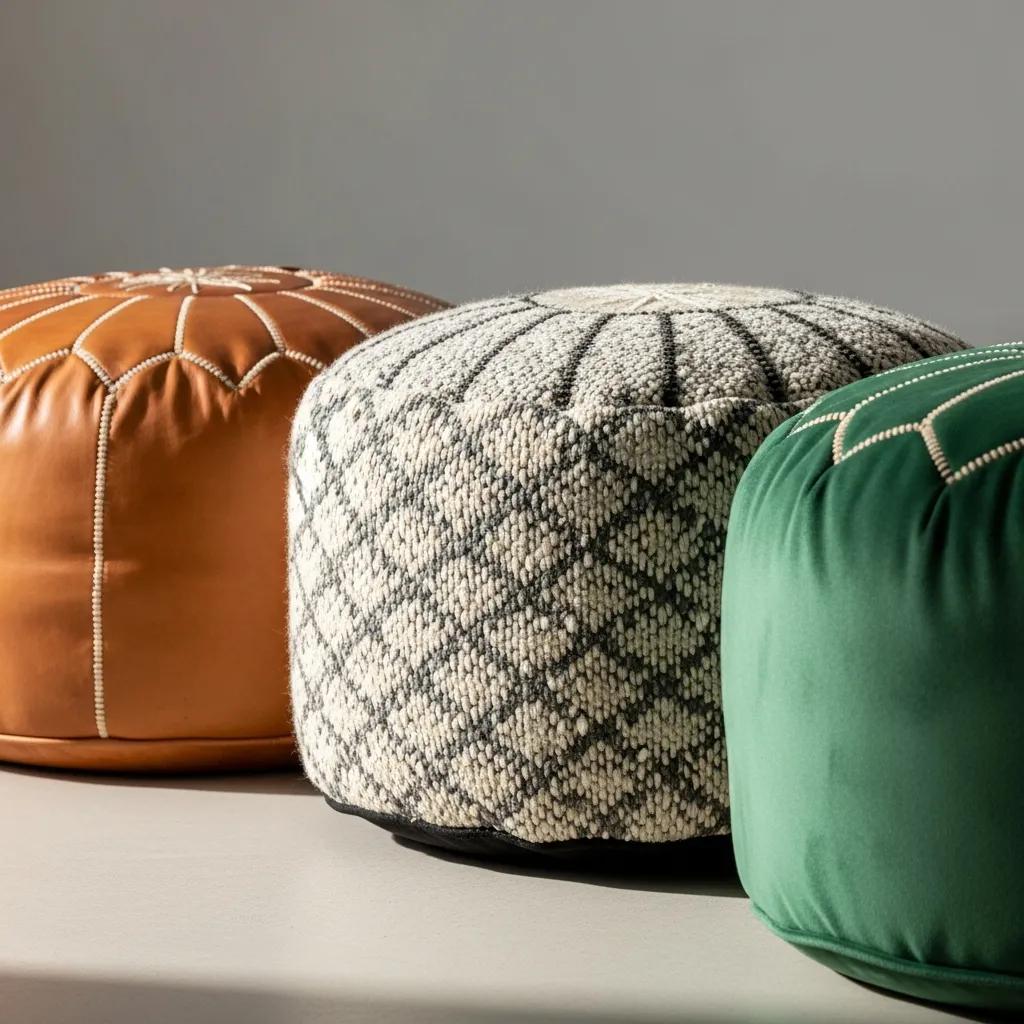
Material plays a big part in price. Here’s a quick look at typical costs by fabric type:
- Leather Pouffes: Often pricier because they’re durable and age well — expect around €300–€700.
- Fabric Pouffes: The most budget-friendly option, usually between €100–€400 depending on fabric quality and pattern.
- Velvet Pouffes: Velvet adds texture and a luxe feel; prices typically sit around €150–€500 depending on brand and finish.
Each material comes with different longevity and care needs, which can affect value over time.
How to Choose the Best Pouffe or Ottoman for Your Irish Home?
Picking the right piece is about balancing looks and function. Use these simple steps to narrow your choices:
- Define the Role: Decide if it’s mainly for extra seating, a footrest or storage — that will guide size and structure.
- Measure Your Space: Check dimensions so the pouffe fits without crowding the room.
- Pick Material and Style: Match the fabric and finish to your daily life — durable and easy-clean options for families, softer textures for a relaxed lounge look.
Follow these points and you’ll find a pouffe or ottoman that both looks right and works for your home.
Key Differences Between Pouffes and Ottomans
They look similar but have different strengths:
- Structure: Pouffes are usually legless and softer; ottomans often have a frame and legs for a firmer base.
- Functionality: Ottomans commonly offer storage or serve as coffee-table alternatives; pouffes are mostly seating or footrests.
- Design Styles: Pouffes suit casual, contemporary spaces; ottomans work well in both informal and more traditional or formal settings because of their structure.
Knowing these differences helps you pick the piece that best matches how you live.
Which Brands Give the Best Value and Quality in Ireland?
Rather than one-size-fits-all brand names, look for trusted Irish retailers and local makers who focus on solid construction and sustainable materials. Read customer reviews, check return policies and, where possible, inspect the build in person. Local artisans often offer great value through quality craftsmanship and custom options.
Maintenance Tips to Keep Your Pouffe or Ottoman Lasting Longer
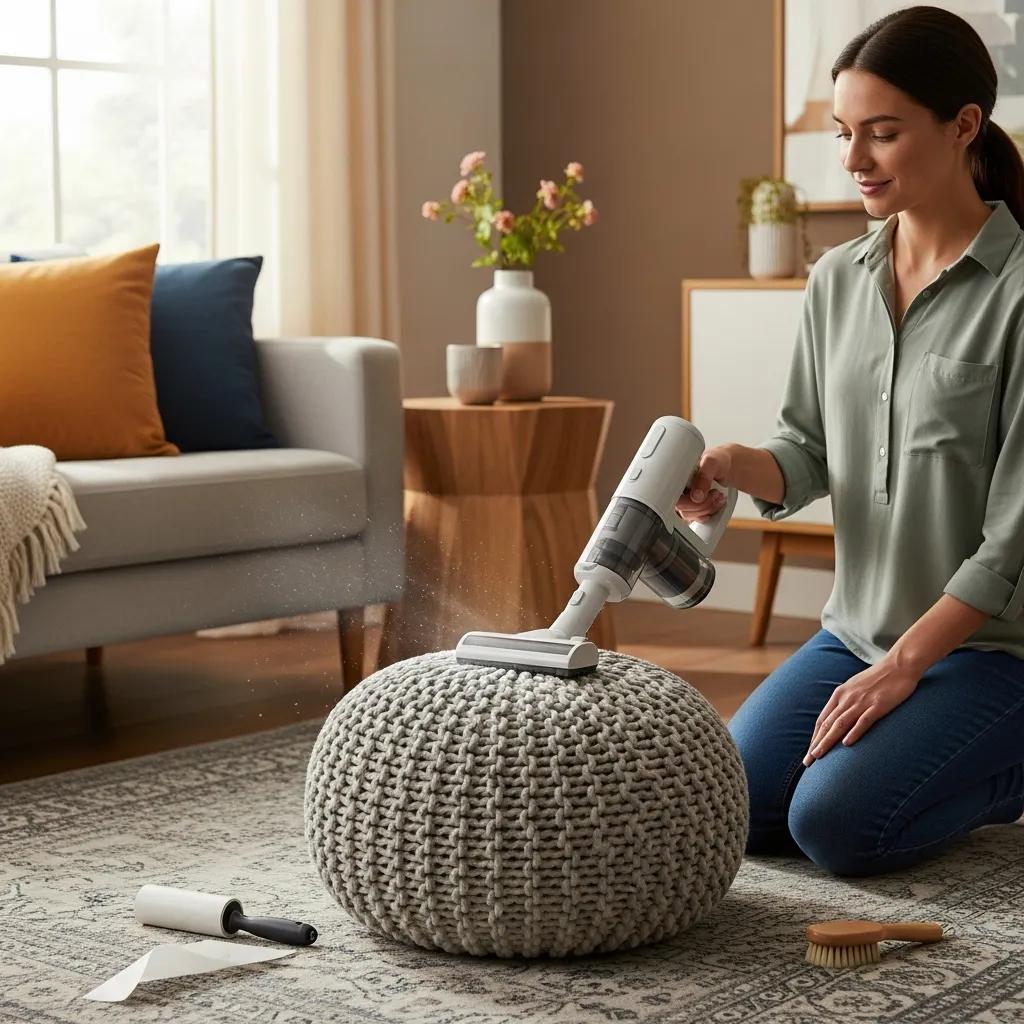
Regular care keeps your furniture looking its best. Try these easy habits:
- Regular Vacuuming: Remove dust and crumbs often to prevent wear.
- Spot Cleaning: Blot spills straight away with a damp cloth and mild soap — avoid rubbing which can spread the stain.
- Keep Out of Direct Sunlight: Position pieces away from strong sunlight to prevent fading and drying, especially for leather.
Little routine care goes a long way in extending the life of your pouffes and ottomans.
How the Irish Climate Affects Material Durability
Ireland’s damp, changeable climate can influence how materials perform:
- Humidity: High humidity can encourage mildew on some fabrics — choose moisture-resistant or well-ventilated options where possible.
- Temperature Changes: Fluctuating temperatures can dry and crack leather if not cared for; regular conditioning helps.
- Material Choice: Opt for materials known to withstand local conditions to get the most life from your piece.
Consider climate when choosing materials to avoid unnecessary wear.
Best Practices for Cleaning and Care
Follow these cleaning basics to keep your pouffes and ottomans in top condition:
- Vacuum Regularly: Keep dust and dirt from settling into the fabric.
- Deal with Spills Quickly: Blot immediately and avoid scrubbing to minimise marks.
- Consider Professional Cleaning: For deep stains or delicate fabrics, professional services can refresh the piece safely.
Stick to these simple routines and your furniture should stay attractive and usable for years.
*(Article content adapted without external links.)*

