
Veneer vs Laminate: Key Differences and Which Is Best for Your Furniture Needs
Veneer and laminate are two common surface finishes for furniture: veneer is a thin slice of real wood bonded to a substrate, while laminate is a multi-layer synthetic surface fused to a board. This article compares material composition, visual qualities, cost, durability, repairability, and maintenance so you can choose the right option for your furniture needs. Many buyers ask “which is better” for appearance, longevity, or budget; this guide gives direct comparisons, side-by-side tables, and practical buying scenarios to answer that question. You will learn how each material is made, where each performs best, typical price and lifecycle considerations, and quick rules to decide which fits your priorities. Throughout the text we use terms like veneered plywood, HPL (high-pressure laminate), MDF, edge banding, and refinishing to connect material details to real purchasing decisions. The goal is practical: help you weigh appearance versus durability and maintenance so you pick the surface finish that meets your daily use and long-term expectations.
What Are the Main Differences Between Veneer and Laminate?
Veneer and laminate differ primarily in material origin and construction: veneer uses a real wood face layer that preserves natural grain, while laminate uses printed decor paper and resin with a protective wear layer. The manufacturing mechanism determines appearance fidelity and repair options, since veneer’s natural wood face can be sanded or refinished while laminate relies on a tough synthetic wear layer for protection. For furniture surfacing, substrate choice (plywood or MDF for veneer, MDF or particleboard for laminate) and adhesive quality are critical to long-term performance. Understanding these core differences makes it easier to choose based on aesthetic priorities versus everyday durability, which we explore next in material and visual detail.
How Do Veneer and Laminate Materials Differ?
Veneer is a thin slice of real wood—often cut from a log and bonded to plywood or MDF—providing authentic grain continuity and the potential for refinishing. The veneer face layer (a meronym) ranges in thickness and its performance depends on the substrate and adhesive used; veneered plywood is a common hyponym in furniture. Laminate, by contrast, is layered: a printed decor paper fused with resins and a wear layer, with HPL and melamine as hyponyms of decorative laminate. This layered construction gives laminate consistent color and pattern repeatability but limits options for sanding or refinishing in the future.
What Are the Visual and Textural Contrasts Between Veneer and Laminate?
Veneer shows natural grain variation and tactile warmth, which many buyers equate with premium appearance and authenticity compared to manufactured surfaces. Laminate reproduces wood patterns convincingly in many cases and offers consistent color, but printed repeat and lack of true grain depth can be noticeable on close inspection or on edges without proper edge banding. Texture options differ: veneer accepts stains and finishes similarly to solid wood, while laminate’s texture is integral to the wear layer and cannot be stained. These visual and tactile differences guide which material suits formal living spaces versus utility areas.
What Are the Pros and Cons of Veneer vs Laminate?
Veneer and laminate each offer clear trade-offs for furniture: veneer excels in authentic appearance and refinishing potential, whereas laminate wins on cost predictability and surface durability. The first paragraph defines these trade-offs and explains why buyers prioritize either authenticity or robustness depending on expected use. Below are compact, skimmable pros and cons for quick comparison to support purchase decisions and featured-snippet readability.
Veneer pros and cons overview:
- Veneer offers authentic wood appearance and warmth that enhances perceived value.
- Veneer can sometimes be refinished or repaired depending on veneer thickness and substrate quality.
- Veneer is more sensitive to moisture and may be costlier due to species and production.
Laminate pros and cons overview:
- Laminate is highly durable against scratches and common household stains when using HPL.
- Laminate provides consistent patterns and easy maintenance for high-traffic areas.
- Laminate is difficult to refinish and may show pattern repeat or edge seams without proper finishing.
This table summarizes core pros and cons so you can scan differences quickly and decide which attributes matter most for your project. The next section gives a short buyer-focused checklist to turn these trade-offs into a purchasing decision.
For buyers choosing between veneer and laminate, use this short decision checklist and actionable recommendation to match material to needs:
- Choose veneer when appearance and the ability to refinish matter, such as living-room furniture, feature casework, or heirloom pieces.
- Choose laminate when durability, moisture resistance, and low maintenance are top priorities, such as kitchen cabinets, office desks, or children’s furniture.
- Choose hybrid approaches (veneer surfaces with laminate in wet zones) when you want a premium look with targeted durability.
What Are the Advantages of Using Veneer for Furniture?

Veneer delivers a natural look and the tactile qualities of real wood while using less solid timber than full solid-wood construction, making it a sustainable option for decorative boards. The reason veneer is valued is its grain continuity and ability to accept finishes, stains, and age gracefully when maintained, which is why it’s favored for high-end furniture and visible surfaces. Examples include cabinetry face frames, dining tables with veneered tops, and veneered plywood used in furniture that benefits from grain matching. Because veneer can be repaired or refinished in many cases, it offers long-term visual value that offsets higher initial cost for buyers prioritizing appearance.
What Are the Benefits and Drawbacks of Laminate Surfaces?
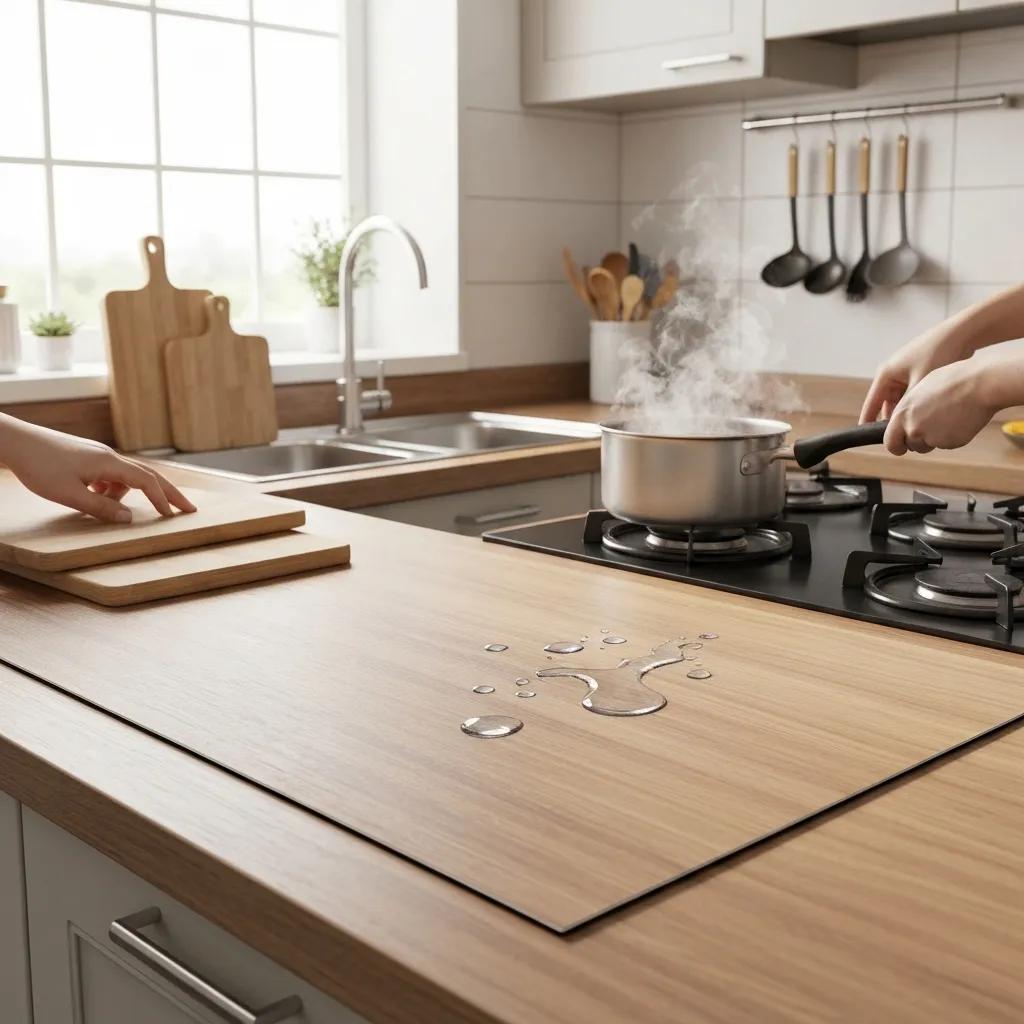
Laminate surfaces, particularly HPL, provide excellent scratch resistance and moisture protection through a durable wear layer bonded to a substrate, making them ideal for heavy-use contexts like kitchens and commercial furniture. Laminate’s consistent printed decor patterns reduce variability and simplify color matching across multiple pieces, which benefits large projects and contract furniture. The drawback is limited reparability: deep damage or edge lifting usually requires panel replacement rather than refinishing. Typical applications include worktops, classroom desks, and retail fixtures where maintenance and cost predictability are decisive factors.
How Do Veneer and Laminate Compare in Terms of Cost?
Cost comparison between veneer and laminate depends on veneer species, veneer thickness, and type of laminate (melamine vs HPL), and the substrate chosen. Upfront price for veneer is typically higher due to material and finishing steps, while laminate offers lower initial cost and predictable pricing across quality tiers. Lifecycle cost matters: veneer may require more careful maintenance but can be refinished to extend usable life, whereas laminate often has lower upkeep but may need panel replacement if damaged. The table below gives a quick cost-focused EAV comparison to contextualize these differences for purchasing decisions.
This cost table highlights that veneer often demands higher upfront investment but can deliver long-term visual value, while laminate provides predictable lower cost and strong short-to-medium lifespan for high-use situations. The next paragraph explains how cost considerations should influence your choice.
Cost-driven purchase guidance: if your budget is tight and you need durable daily-use surfaces, laminate is generally the more economical choice; if appearance and the option to refinish later are important, investing in veneer can be cost-effective over a longer ownership horizon. Consider total cost of ownership—initial price, maintenance, potential refinishing, and replacement frequency—when making your selection.
What Is the Typical Price Range for Veneer vs Laminate?
Typical price bands vary by material quality: basic melamine laminate panels are at the low end, HPL and specialty laminates sit in the middle, and premium veneers (rare species, matched grain) are at the high end. Price drivers include substrate choice (MDF vs plywood), edge treatments (PVC edge banding, solid wood edges), and finishing processes. Because regional market variation exists, use ranges rather than exact figures and weigh them against intended use and expected lifespan when budgeting. The next subsection explores how those cost factors should directly affect selection.
How Does Cost Affect Your Choice Between Veneer and Laminate?
Cost affects selection by forcing trade-offs between appearance, durability, and maintenance: lower-cost laminate may be chosen for high-traffic or moisture-prone areas, while higher-cost veneer may be selected for visible, long-term installations. The reasoning is that veneer’s potential for refinishing increases its lifecycle value, making higher upfront cost worthwhile for pieces you plan to keep. Conversely, laminate reduces replacement risk and maintenance time for heavy-use furniture, providing predictable lifecycle costs. Match cost to priorities and consider hybrid strategies—using veneer where appearance matters and laminate where durability is essential.
Which Is More Durable: Veneer or Laminate?
Durability depends on specific attributes: laminate typically offers superior scratch and moisture resistance due to a hardened wear layer, while veneer is more vulnerable to surface damage but can be repaired or refinished in many cases. The short verdict: laminate usually performs better for high-traffic, moisture-prone situations, while veneer provides longer aesthetic longevity if maintained and refinished. Factors such as substrate (plywood vs MDF), adhesive quality, edge sealing, and finish type influence both materials’ longevity. Below is an EAV-style durability comparison to make repairability and maintenance differences explicit for purchasing choices.
This durability table clarifies that laminate options—especially HPL—tend to resist daily wear better, while veneer can be restored, which affects long-term maintenance planning. The following paragraphs outline practical maintenance actions to maximize lifespan for each material.
How Does Veneer Hold Up Over Time Compared to Laminate?
Veneer can last for decades if installed on stable substrates and properly sealed; common failure modes include delamination at poorly bonded edges and staining from prolonged moisture exposure. The reason veneer remains viable long-term is the ability to sand and refinish the thin wood face when thickness and substrate permit, restoring appearance without full replacement. In contrast, laminate resists superficial wear but cannot be sanded to remove deep scratches, making replacement the primary repair route. Understanding these repair pathways helps owners plan maintenance budgets and choose materials aligned with their tolerance for repair versus replacement.
What Factors Influence the Durability of Veneer and Laminate Furniture?
Environmental exposure (humidity, direct sunlight), daily mechanical use patterns, and manufacturing quality (adhesives, substrate, edge banding) are primary factors that influence longevity for both veneer and laminate. To maximize lifespan, seal veneers at edges, use water-resistant adhesives, choose HPL for wet areas, and protect surfaces from prolonged standing moisture and sharp impacts. Routine maintenance—cleaning with appropriate, non-abrasive cleaners and addressing minor damage early—preserves both types of surfaces. These practical steps reduce the chance of delamination for veneers and extend the visual life of laminate before replacement becomes necessary.
For maintenance and repair, consider these quick actionable tips:
- Regular Cleaning: Wipe surfaces with a damp cloth and mild detergent to remove spills quickly.
- Protect Edges: Use proper edge banding and avoid exposing substrate edges to water.
- Address Damage Early: Small veneer chips can be repaired or filled; deep laminate damage usually requires panel replacement.
These maintenance tips help you extend the useful life of either material, and they directly inform which material to choose based on how you plan to use and care for the furniture.
If you still need a concise recommendation after reading the comparisons, consider these quick scenarios that synthesize the article’s findings into practical choices:
- If you want a premium, authentic wood look and plan to maintain or refinish furniture, choose veneer.
- If you need low-cost, low-maintenance surfaces for high-traffic or moisture-prone areas, choose laminate.
- If you want a mix of both, use veneer on visible faces and laminate where durability is critical.
These scenarios focus solely on helping customers choose the right product based on appearance, durability, cost, and maintenance priorities and are designed to convert the comparison into immediate buying guidance.

