
Contemporary Interior Design: Creating Modern Homes with Handcrafted and Sustainable Furniture in Ireland
Contemporary interior design blends clean geometry, thoughtful material choices, and functional layouts to create living spaces that feel current, calm and highly liveable.
This article explains how contemporary style translates to modern Irish homes, why handcrafted and sustainable furniture matters, and how practical choices—scale, texture, and customisation—solve common layout and lighting constraints. Readers will find clear principles, trend-led advice for 2025, and step-by-step guidance on integrating handcrafted pouffes, benches and tables into minimalist schemes while keeping sustainability front of mind. Practical examples, comparison tables and actionable checklists will help you choose durable pieces that support local craft and deliver contemporary style across flats, terraced houses and larger family homes. Throughout, the focus is on modern home design, contemporary interior design Ireland, and how select handcrafted furnishings can elevate both aesthetic and function.
What Defines Contemporary Interior Design for Modern Irish Homes?
Contemporary interior design describes interiors that prioritise simplicity, functional layouts and material honesty, producing spaces that feel both modern and adaptable. The approach works by reducing visual clutter through clean lines and restrained palettes, and by using natural light and textures to add warmth without ornamentation. Contemporary design benefits homeowners by improving circulation, making small rooms feel larger and allowing individual pieces—like sculptural tables or a textured pouffe—to act as focal points. In the Irish context, this means designing for variable daylight, often compact room footprints, and a preference for durable materials that withstand changeable weather and daily life. The next section lists the core elements that define the style and how they map to furniture decisions.
This section outlines the essential principles of contemporary interiors and how they guide furniture selection for modern Irish homes.
- Clean lines: Reduce visual noise with simple silhouettes and minimal ornamentation.
- Neutral palettes: Use layered neutrals to create calm backdrops for statement pieces.
- Natural materials: Emphasise wood, stone and tactile textiles for warmth.
- Functionality: Prioritise multipurpose furniture and flexible arrangements.
- Light and proportion: Design around daylight, sightlines and negative space.
These core elements work together to support modern living. Clean lines and neutral palettes set the stage, while natural textures and functional pieces create comfort; understanding these relationships helps when choosing handcrafted and customisable furniture for Irish homes.
Which Key Elements Shape Contemporary Interior Style?
Contemporary interiors rest on a handful of definable elements that shape every design decision: proportion, material honesty, negative space, silhouette and light. Proportion governs how furniture relates to room scale, ensuring that a low-profile sofa does not overwhelm a small living room, while material honesty means visible joinery and unvarnished textures that communicate durability. Negative space is used as a compositional tool to let objects breathe and create calm, and silhouette emphasizes shape—think curved pouffes versus linear benches. Practical tip: choose one sculptural piece per room to anchor the composition and let supporting furniture remain restrained in profile to maintain coherence.
These elements guide furniture choices directly. For example, selecting a handcrafted wooden dining table with slim metal legs respects proportion without sacrificing the warm, natural material that contemporary Irish interiors favour. The following paragraph will show how clean lines and neutral palettes work together to enhance modern spaces.
How Do Clean Lines and Neutral Palettes Enhance Modern Interiors?
Clean lines and neutral palettes create visual clarity by letting form and texture become the focal point rather than ornate detail, which makes contemporary rooms feel orderly and expansive. Minimal silhouettes—such as a slender coffee table or a compact upholstered pouffe—reduce visual weight, while layered neutrals (warm beige, soft grey, off-white) provide a calming backdrop that highlights handcrafted pieces. Texture is critical: bouclé, velvet and woven rattan introduce tactility that counterbalances restraint, making spaces feel inviting while remaining modern. Material recommendation: pair oak or walnut frames with neutral upholstery and one textured accent (e.g., a bouclé pouffe) to achieve depth without clutter.
Texture and finish choices directly inform maintenance and longevity, so selecting durable upholstery and easily maintained wood finishes supports the long-term sustainability and useability of contemporary pieces in everyday Irish homes.
How to Incorporate Handcrafted and Customizable Furniture into Modern Living Spaces?
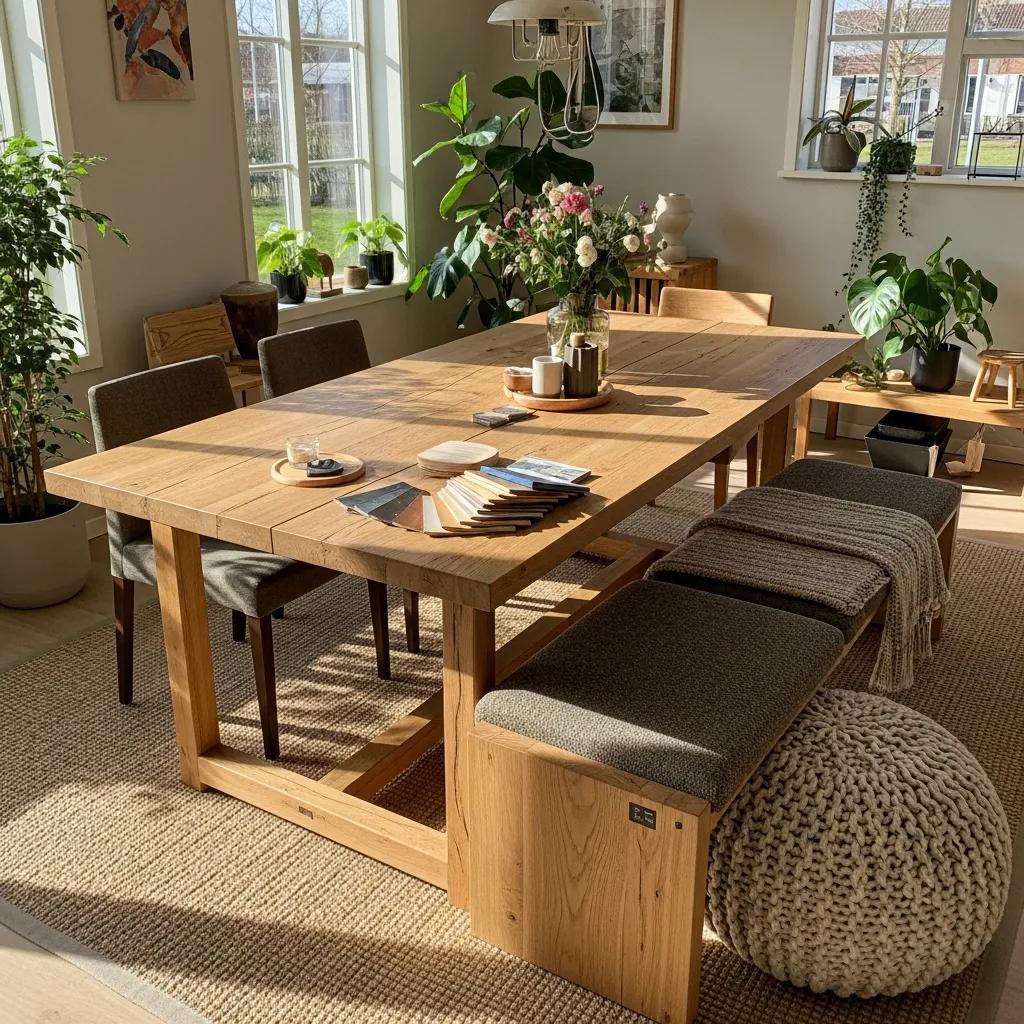
Incorporating handcrafted and customisable furniture into contemporary interiors involves selecting pieces that balance scale, proportion and material while aligning with functional needs; handmade items add uniqueness and lasting quality through skilled joinery and durable materials. The reason this works is that handcrafted pieces often offer higher build quality and the ability to tailor dimensions, legs and upholstery to specific room constraints, which is especially valuable in compact or irregular spaces common in Irish homes. The result is a cohesive, contemporary scheme where each piece performs a clear role—seating, storage or surface—while contributing visual interest. Below are practical steps to integrate handcrafted furniture effectively.
- Assess scale and circulation: Measure doorways and sightlines before ordering custom pieces.
- Prioritise function: Choose multifunctional items—like storage benches or pouffes with dual use—where space is limited.
- Match finishes: Use consistent leg finishes or upholstery tones to create visual continuity.
- Test textiles: Select upholstery with high durability and easy-care properties for active living areas.
Handcrafted choices pay off through longevity and repairability, but balancing custom pieces with a few modular, easy-to-move elements keeps flexibility high. The table below compares common handcrafted product types to clarify material and customization choices.
This table clarifies how material and customisation impact use and durability, helping you choose handcrafted pieces that align with contemporary design principles. Next, we’ll list the tangible benefits handcrafted pouffes, benches and tables deliver in everyday settings.
What Are the Benefits of Handcrafted Pouffes, Benches, and Tables?
Handcrafted pieces offer distinct advantages: superior build quality, unique detailing, and the ability to repair or reupholster rather than replace, extending a product’s lifecycle and reducing waste. Durability comes from solid frames and careful joinery, which makes handcrafted benches and tables practical for family use while preserving aesthetic integrity over time. Aesthetic value is another benefit—small variations and artisan details lend personality that mass-produced items lack, helping contemporary rooms feel curated rather than catalogued. Supporting local craftsmanship also keeps material sourcing and production closer to home, which aligns with sustainable purchasing decisions for Irish homeowners.
These benefits make handcrafted furniture an investment in both style and functionality. Understanding how customisation elevates these advantages is the next step.
How Does Customization Elevate Contemporary Home Furnishings?
Customization lets homeowners solve specific spatial and stylistic challenges by selecting upholstery, leg styles, dimensions and finishes that suit a room’s light, scale and circulation patterns. For example, choosing metal or glass legs for a coffee table can create a lighter visual footprint in a compact living room, while a slim upholstered bench in a hallway can provide seating without blocking circulation. Custom fabrics allow a pouffe to act as a bold accent or a subtle complement, depending on colour and texture choices. These targeted decisions ensure furniture integrates with the broader contemporary palette and functional needs of modern Irish homes.
Customized pieces can also be adapted over time—reupholstering or swapping legs refreshes the look without full replacement, which supports a sustainable approach to furnishing. The following section examines sustainable trends shaping Irish interiors in 2025.
What Are the Top Sustainable Interior Design Trends in Ireland for 2025?
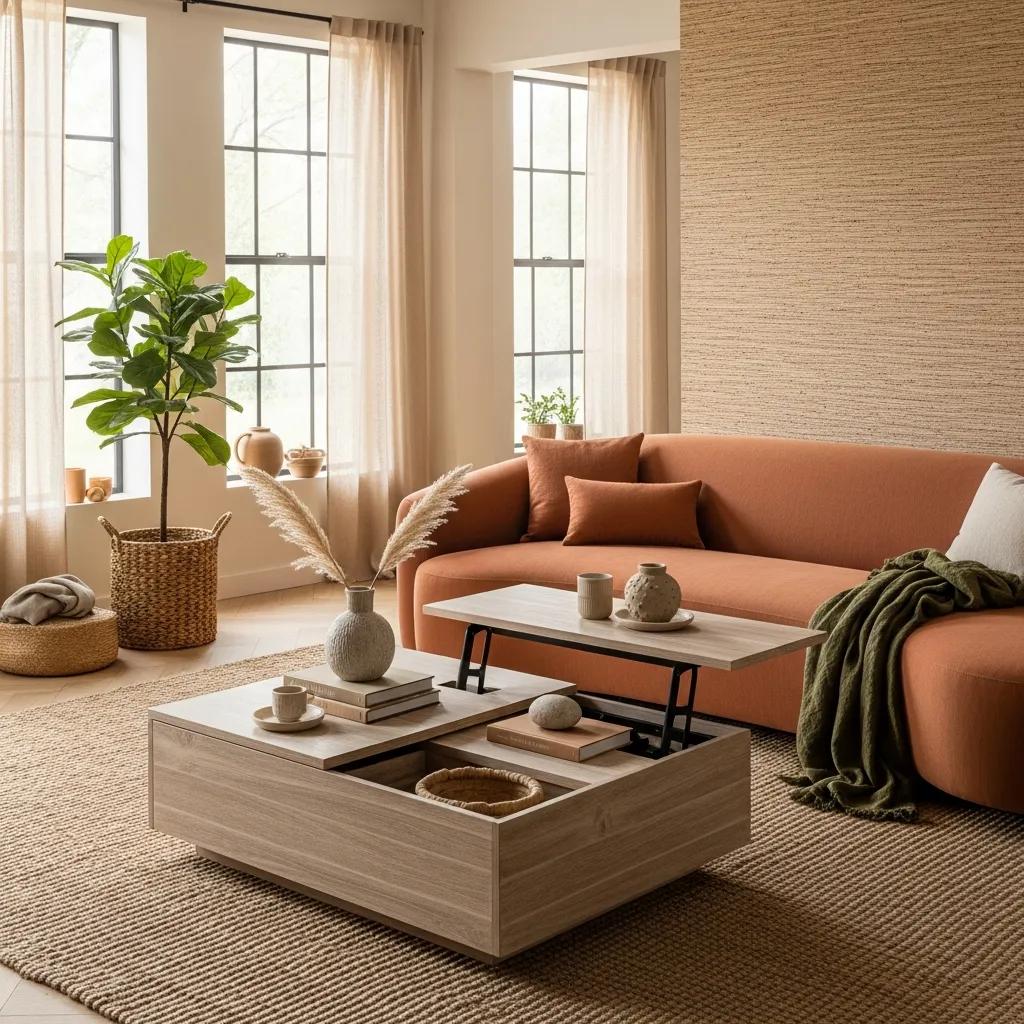
Sustainable interior design in 2025 emphasises longevity, circular thinking and materials that balance low environmental impact with tactile warmth, shaping contemporary choices across Ireland. Trends include curved silhouettes that increase comfort without excessive ornamentation, earthy tones and natural textures to connect interiors with landscape, and multifunctional furniture that reduces the need for excess pieces. Buyers are prioritising locally made items with repairable construction and low-VOC finishes to improve indoor air quality and durability. These trends influence how homeowners select handcrafted pouffes, benches and tables to ensure the pieces contribute to both aesthetics and a lower environmental footprint.
- Curved silhouettes: Softer, ergonomic shapes reduce visual rigidity and encourage communal seating.
- Earthy tones and textures: Terracotta, olive and deep beiges provide warmth and mask wear.
- Multifunctional pieces: Convertible or storage-integrated furniture reduces overall consumption.
- Bespoke local production: Custom, locally made items cut transport emissions and support craft.
- Durable materials and finishes: Long-lasting woods and low-VOC coatings improve lifecycle impact.
These trends steer buyers toward choices that look contemporary while minimising waste and maintenance demands. The next subsection breaks down eco-friendly materials and practices to consider when choosing sustainable furniture.
Which Eco-Friendly Materials and Practices Define Sustainable Furniture?
Sustainable furniture blends responsibly sourced solids like locally sourced oak with natural fibres, low-VOC finishes and construction techniques that prioritise repairability over disposability. Locally sourced woods reduce transport emissions, while timeless joinery and replaceable upholstery mean pieces can be maintained for decades rather than replaced. Upcycling existing frames or choosing modular designs extends useful life and decreases resource consumption. Maintenance guidance—such as oiling solid wood and using removable covers for upholstery—extends longevity and reduces the need for resource-intensive replacement.
These practices create durable contemporary interiors that age gracefully. The following paragraph explores how earthy palettes and textures further enhance sustainable modern homes.
How Do Earthy Tones and Natural Textures Influence Modern Interiors?
Earthy palettes and natural textures ground contemporary interiors by adding warmth and an organic connection to landscape, which is particularly resonant in Irish homes where outside light and seasonal change inform interior atmosphere. Colours like terracotta, olive and deep beige pair well with tactile materials—rattan, linen and bouclé—to create layered, lived-in environments that still read as modern. Texture contrast is important: smooth stone or metal surfaces alongside soft upholstery prevent monotony and provide visual balance. Practical tip: introduce earthy tones through soft furnishings and a single large wooden surface to keep the palette contemporary and adaptable.
Using these palettes and textures supports sustainable choices because they tolerate patina and age, reducing the pressure to replace items that show natural wear. The next section applies these principles to minimalist living spaces with PouffeLOVE furniture recommendations.
How to Design Modern Minimalist Living Spaces with PouffeLOVE Furniture?
Designing minimalist living spaces focuses on reducing excess, improving function and choosing a few well-made objects that provide maximum utility and presence; handcrafted furniture is ideal because it combines durability with refined simplicity. Minimalism works by prioritising multifunctional, low-profile pieces that fit room proportions and by using materials and textures to add warmth without clutter. PouffeLOVE’s handcrafted pouffes, benches and tables—available with custom leg and upholstery options—can form the backbone of a minimalist scheme, providing seating, surfaces and accents that are both practical and sculptural. Below is a concise comparison to guide minimalist selections based on footprint and function.
What Are Effective Minimalist Furniture Choices for Irish Homes?
Effective minimalist choices prioritise multifunctionality, slim profiles and easy circulation to suit typically compact Irish interiors; for example, a narrow upholstered bench can double as dining seating in a small kitchen, while a compact pouffe provides informal seating without a heavy visual footprint. Material choices like light-toned oak frames and neutral upholstery maintain an airy feel while ensuring durability. Select dimensions that allow at least 60–70 cm of walkway clearance in circulation zones to avoid overcrowding. For styling, limit decorative objects and rely on texture contrasts—linen cushions, a bouclé pouffe and a slim metal-legged table—to add warmth while preserving minimal lines.
How to Style Open Plan Living Areas Using Contemporary Pieces?
Open-plan living benefits from strategies that define zones while maintaining flow: use furniture groupings, rugs and low-profile storage to anchor distinct areas without blocking sightlines. Anchor seating with a slim coffee table and position a pouffe or bench to delineate a reading nook or circulation path; rugs and consistent leg finishes help unify the palette across zones. Maintain clear paths of at least 80 cm for circulation, and use low-profile shelving or benches as subtle dividers that provide function without dominating the space. Lighting layers—task, ambient and accent—reinforce zones and highlight handcrafted focal pieces, ensuring each area feels intentional yet cohesive.
These zoning rules support contemporary open-plan living by balancing openness with functional separation. The next section focuses on why PouffeLOVE is a suitable partner for contemporary Irish interiors.
Why Choose PouffeLOVE for Contemporary Interior Design in Ireland?
PouffeLOVE is an Irish e-commerce brand specialising in handcrafted furniture—pouffes, benches, dining tables, coffee tables and armchairs—designed to combine artisan quality with durable materials and customisable options. Their value proposition emphasises handcrafted quality by skilled artisans, durability and longevity, and customisation choices such as metal or glass legs for coffee tables to suit a contemporary scheme. PouffeLOVE also highlights sustainability and support for local craftsmanship, and offers delivery across Ireland for both individual and corporate clients. For homeowners seeking contemporary interior design with a conscious footprint, PouffeLOVE provides functional, bespoke pieces that integrate with minimalist and modern palettes.
What Unique Value Does PouffeLOVE Offer in Handcrafted Furniture?
PouffeLOVE’s unique value lies in its focus on artisanal construction for everyday furniture categories—pouffes, benches and tables—combined with meaningful customisation choices that let buyers specify upholstery and leg finishes for stylistic cohesion. Skilled artisans produce pieces that emphasise longevity through solid frames and high-quality upholstery, which reduces replacement cycles and supports sustainable consumption. Custom options such as metal, glass or wooden legs for tables allow homeowners to maintain consistent visual language across rooms, which is central to contemporary interior design. The combination of craft, customisation and thoughtful product categories positions PouffeLOVE as a practical resource for modern Irish homes seeking handcrafted solutions.
These attributes make PouffeLOVE particularly relevant for buyers who prioritise durable, bespoke items and want to support local craft. The next subsection explains the company’s sustainability and local-support approach in practical terms.How Does PouffeLOVE Support Local Craftsmanship and Sustainability?
PouffeLOVE supports local craftsmanship and sustainability by working with skilled artisans to produce furniture categories that emphasise repairability and long-term use, thereby reducing waste associated with disposable furniture. Their approach highlights durable construction methods and offers customization that extends product relevance—reupholstering or swapping leg types refreshes pieces without replacement. PouffeLOVE’s model of local manufacturing and delivery across Ireland shortens supply chains and reinforces community-based production, aligning with contemporary buyers’ preference for ethical sourcing. Customers benefit from pieces that are built to last and can be tailored to specific spatial and stylistic needs while contributing to a more sustainable furniture ecosystem.
This brand alignment makes PouffeLOVE a natural option for homeowners designing modern, sustainable interiors. The next section provides practical, room-by-room tips and “shop the look” callouts referencing suitable product types.
How to Create Your Modern Home: Practical Tips and Styling Advice
Creating a modern home requires a sequence of intentional choices: define priorities, select multifunctional handcrafted pieces, and layer texture and lighting to achieve comfort within a minimalist framework. Begin by mapping daily routines and circulation to determine where seating, surfaces and storage are essential, and choose pieces that perform multiple roles—e.g., a bench that provides seating and hallway storage. Use a limited palette of neutrals with one accent texture or colour to maintain visual cohesion, and pick handcrafted items that can be customised to fit scale and finish preferences. The following furniture combinations and styling tips will help you assemble cohesive rooms that feel contemporary and functional.
- Living room combination: slim sofa, compact coffee table, textured pouffe for extra seating.
- Dining area combination: solid wooden table with slender legs, upholstered bench on one side, stackable chairs.
- Hallway combination: narrow bench with cushion, wall hooks, slim console table for keys and mail.
Which Furniture Combinations Enhance Contemporary Irish Interiors?
Complementary furniture groupings should prioritise balance and circulation: in a small living room, pair a compact sofa with a round pouffe and a narrow coffee table to maintain flow while providing varied seating. In dining spaces, a bench on one side of the table saves space and creates a streamlined silhouette, while a sculptural coffee table serves as an anchor in larger open-plan zones. For hallways, a slim bench with an upholstered seat offers practical storage-friendly seating without blocking entryways. When combining textures, keep upholstery tones cohesive and introduce contrast through one natural wood surface or textured accent like a bouclé pouffe to ensure depth without visual clutter.
How to Use Curved and Multifunctional Furniture for Stylish Living?
Curved furniture softens rigid layouts and improves movement through a room, making it an effective strategy in contemporary interiors where flow and comfort matter equally. A rounded pouffe can act as a sculptural accent and an informal seat, while a curved bench can visually widen narrow spaces by avoiding sharp corners. Multifunctional pieces—such as benches with under-seat storage or pouffes that double as occasional tables—reduce the number of distinct items needed, supporting minimalist principles and sustainability. Styling rules: limit curved statement pieces to one per room, balance with linear supporting furniture and use consistent upholstery to tie diverse elements together.
- Plan circulation first: Ensure pathways remain unobstructed before committing to large pieces.
- Choose one focal piece per room: Let a handcrafted pouffe or table stand out while others remain restrained.
- Prioritise durability: Select solid frames and replaceable upholstery to extend product life.
- Layer textures: Combine smooth surfaces with tactile fabrics to create depth in neutral schemes.
- Adapt over time: Use customisation and reupholstery to refresh pieces rather than replacing them.
These practical steps form an actionable roadmap to build a contemporary home that relies on handcrafted, sustainable pieces and smart spatial planning. Implementing these ideas preserves both style and utility as needs evolve.
This article has provided definitions, trend guidance, practical lists, and comparative tables to help you design contemporary, sustainable Irish interiors using handcrafted furniture responsibly and creatively.

